
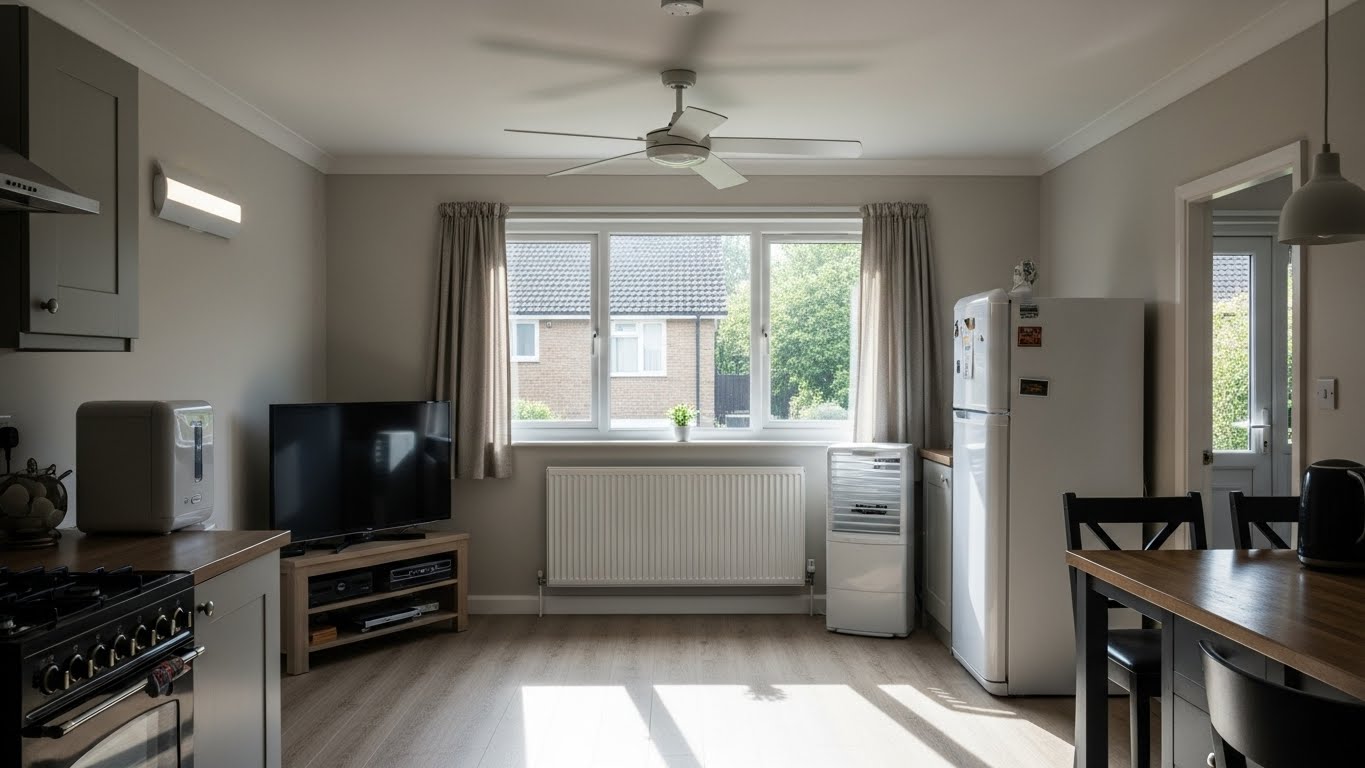
Discover practical and straightforward strategies to transform your residence into an energy-efficient haven. By implementing these simple yet effective methods, you can significantly reduce your energy consumption, lower your utility bill, and create a more sustainable living environment. Let’s explore how to make your home more energy efficient.
Understanding Energy Efficiency
What is Energy Efficiency?
Energy efficiency refers to using less energy to perform the same task, thereby eliminating wasted energy. It encompasses various methods and technologies aimed at reducing energy usage while maintaining or improving comfort and performance. Improving home energy efficiency involves making your home more energy efficient through upgrades and behavioral changes.
Benefits of Energy Efficiency
Here are some of the advantages of boosting home energy efficiency. It’s beneficial because:
- Lower energy bills are a primary incentive, alongside reducing your carbon footprint.
- Energy savings translate directly into financial savings, and a more energy-efficient home is typically more comfortable year-round.
Investing in efficiency improvements also enhances your property value.
Key Terms in Home Energy Efficiency
Familiarizing yourself with key terms is crucial in the realm of home energy efficiency. Several terms are particularly important to understand:
- “Energy Star” denotes appliances meeting strict efficiency guidelines set by the Department of Energy.
- “Insulation” reduces heat transfer.
- “Air sealing” minimizes air leaks.
- A “smart thermostat” optimizes heating and cooling based on occupancy and preferences.
Ways to Save Energy at Home
Upgrading Appliances for Energy Savings
An effective way to save energy at home is by replacing outdated appliances with energy-efficient models. Look for the Energy Star label when purchasing refrigerators, washing machines, and dishwashers. These appliances consume less energy, leading to substantial energy savings over time. Upgrading can also qualify you for a rebate.
Switch to LED Lighting
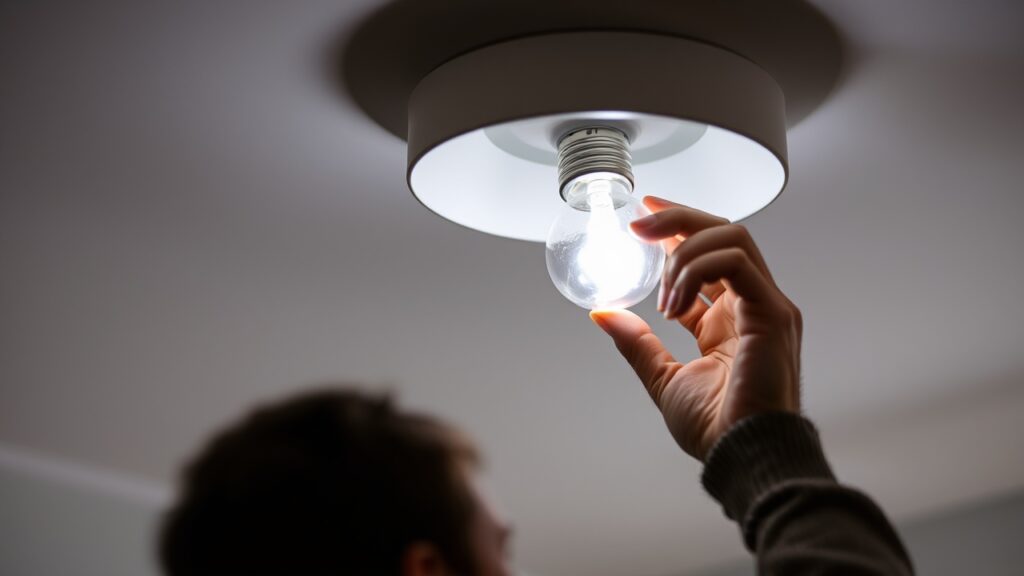
Transitioning to LED lighting is a simple yet impactful home improvement. LED bulbs use significantly less energy than traditional incandescent bulbs and last much longer. This switch reduces energy consumption and lowers energy costs, contributing to overall home energy efficiency. They also produce less heat, further saving on cooling costs.
Utilizing Energy Star Products
Energy Star products are designed to minimize energy use and maximize performance. From appliances to electronics and lighting, choosing Energy Star certified items ensures you are using some of the most energy-efficient options available. This not only helps save on energy but also supports clean energy initiatives and reduces seasonal energy consumption.
Heating and Cooling Your Home Efficiently
Optimizing Your Thermostat Settings
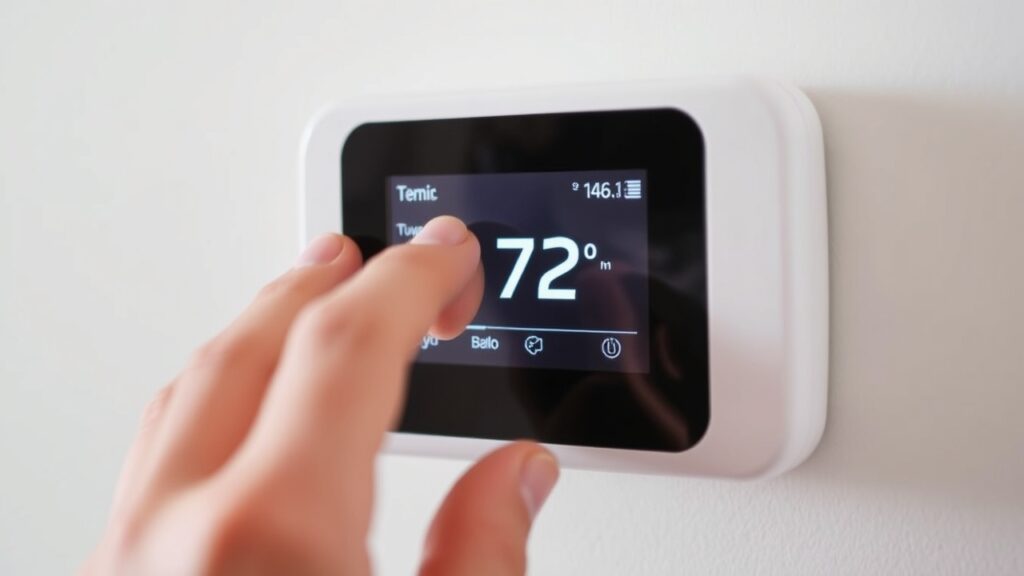
A smart thermostat can significantly impact your energy bill. Programmable thermostats allow you to adjust heating and cooling based on your schedule, ensuring you’re not wasting energy when no one is home. Lowering the temperature a few degrees in winter and raising it in summer can lead to substantial energy savings without sacrificing comfort. Consider installing a smart thermostat for even greater control and home energy efficiency.
Preventing Air Leaks
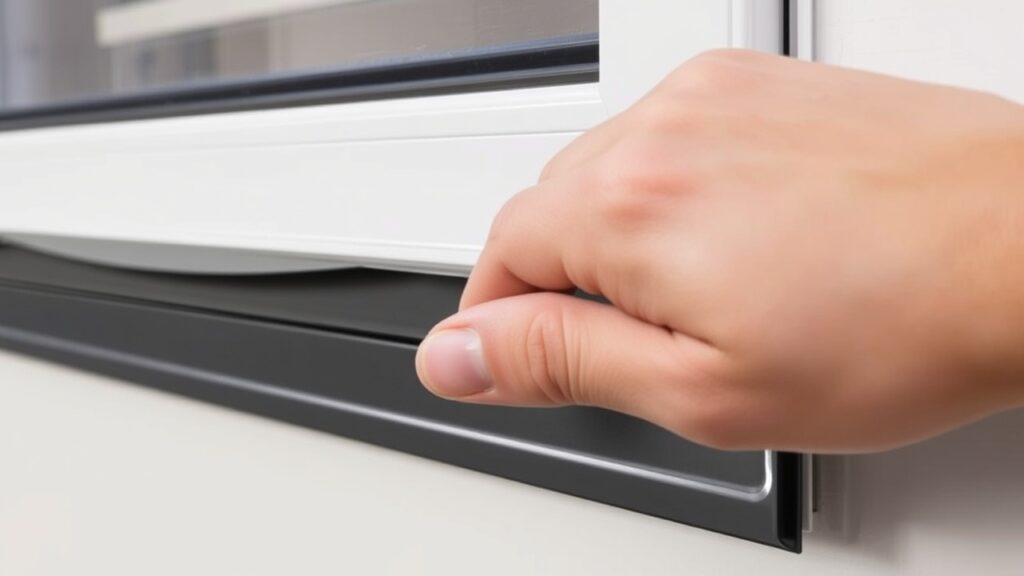
Air leaks around doors and windows are major sources of energy loss. Sealing these air leaks with caulk or weather stripping can dramatically improve your home’s insulation and reduce energy consumption. Focus on areas where different materials meet, such as where the window frame meets the wall. Air sealing is a simple DIY home improvement that offers a significant return on investment by preventing wasted energy.
Maintaining Your Heating and Cooling Systems
Regular maintenance of your heating and cooling systems ensures they operate efficiently. Change air filters regularly to maintain proper airflow and prevent strain on the system. Schedule annual inspections by a professional to identify and address any potential issues. Proper maintenance extends the lifespan of your appliance and maximizes energy efficiency, saving energy and lowering your utility bill.
Water Heating and Energy Costs
Choosing an Energy-Efficient Water Heater
Water heating accounts for a significant portion of home energy use. When it’s time to replace your water heater, consider an energy-efficient model. Heat pump water heaters are among the most efficient options, using significantly less energy than traditional tanks. Look for the Energy Star label to ensure you’re choosing a highly efficient water heating solution for your home, ensuring considerable energy savings.
Tips for Reducing Water Heating Costs
Here are several strategies, besides using an energy-efficient water heater, to reduce water heating costs. You can achieve significant savings by:
- Lowering the thermostat on your water heater to 120°F (49°C) to save energy without sacrificing comfort.
- Insulating your water heater and hot water pipes to reduce heat loss.
Encouraging shorter showers and fixing any leaky faucets promptly also minimize water and energy consumption, contributing to overall home energy efficiency.
Understanding Energy Use in Older Homes
Older homes often have unique challenges when it comes to energy efficiency. They may lack proper insulation, have outdated windows and doors, and inefficient heating and cooling systems. Conducting an energy audit can help identify areas for improvement. Addressing these issues through upgrades like insulation, air sealing, and energy-efficient appliances can make your home more energy efficient and reduce energy consumption. Considering renewable energy may be a good long-term solution. For example, you could reduce your energy costs and consumption by using solar energy.
Home Improvement Projects for Energy Efficiency
Insulation Upgrades
One of the most impactful home improvement projects for home energy efficiency involves insulation upgrades. Proper insulation in attics, walls, and basements can significantly reduce energy loss and save on energy. By ensuring your home is more energy efficient, you can maintain a consistent temperature, reduce heating and cooling costs, and decrease your energy bill. Consider different types of insulation, such as fiberglass, cellulose, or spray foam, to find the best fit for your needs and make your home more energy efficient.
Energy Upgrades for Doors and Windows
Replacing old doors and windows with energy-efficient models is another excellent home improvement project. Look for Energy Star certified doors and windows that are designed to minimize energy loss. Air leaks around doors and windows can be a major source of energy loss, so ensure they are properly sealed with caulk and weather stripping. Upgrading to energy-efficient doors and windows will save energy and improve your home energy efficiency.
Using Rebates for Energy Efficient Improvements
Many utility companies and government programs offer rebates and incentives for energy-efficient home improvement projects. Take advantage of these rebates to offset the initial energy costs of upgrades such as insulation, energy-efficient appliances, and water heater replacements. Check the Department of Energy website or your local utility provider to learn about available rebates and how to apply for them, helping you save energy at home affordably.
Conclusion: The Future of Home Energy Efficiency
Embracing Sustainable Practices
Adopting sustainable practices is crucial for achieving long-term home energy efficiency. This includes making conscious decisions about your energy use and using less energy. Simple changes like turning off lights when you leave a room, using power strips to eliminate standby power, and opting for renewable energy sources can collectively make a significant impact on your energy consumption. By embracing sustainable practices, you contribute to a greener planet and save energy at home.
The Importance of Ongoing Energy Monitoring
To effectively manage your home energy efficiency, it’s essential to monitor your energy use regularly. Track your energy bill and identify patterns in your energy consumption. Use tools like smart thermostats or energy monitors to gain insights into how you can further reduce energy. Ongoing energy monitoring empowers you to make informed decisions and optimize your energy-saving efforts.
Resources for Further Learning
To deepen your understanding of home energy efficiency, explore reputable resources such as the Department of Energy website, Energy Star program guides, and publications from organizations dedicated to sustainability. These resources provide valuable information on energy-efficient technologies, DIY home improvement tips, and rebates programs. By continuously learning and staying informed, you can make your home an energy-efficient haven. For instance, visit the Energy Star website for certified products and resources.