
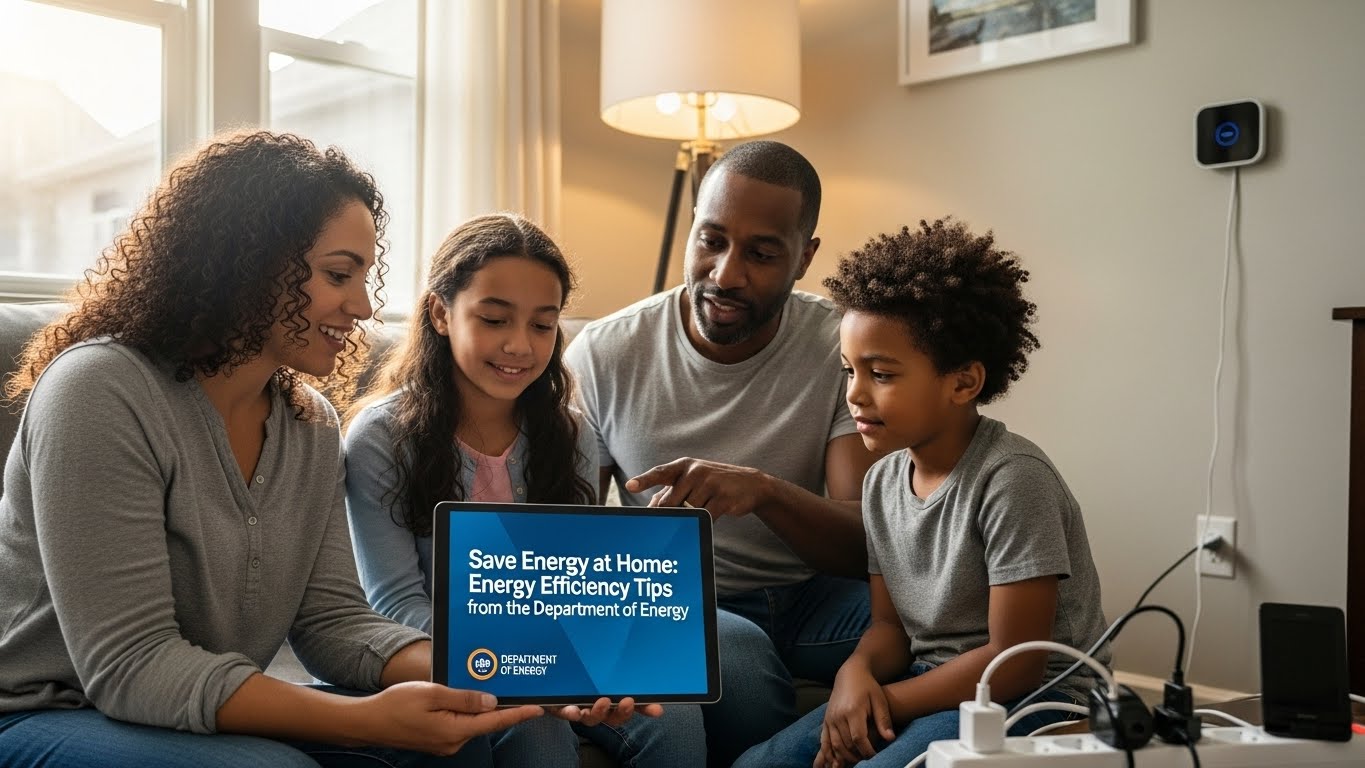
Discover practical and actionable energy saving tips from the Department of Energy to help you make your home more energy efficient. Reduce energy consumption, lower your energy costs, and create a more sustainable living environment. These energy-saving tips are designed to help you save energy and money.
Understanding Energy Efficiency
What is Energy Efficiency?
Energy efficiency refers to using less energy to perform the same task or produce the same result. Improving home energy efficiency means reducing the amount of energy required to provide heating and cooling, lighting, and power appliances, ultimately leading to lower energy bills and a smaller environmental footprint. Embracing energy-efficient practices is a cornerstone of responsible home energy management.
Benefits of Energy Efficiency at Home
The benefits of home energy efficiency are numerous. Primarily, it reduces your electric bill by lowering energy use. Furthermore, energy-efficient homes are more comfortable, maintain consistent temperatures, and contribute to environmental conservation by reducing reliance on fossil fuels. Home improvement projects focused on energy saving can also increase your property value.
How Energy Efficiency Affects Your Electric Bill
Energy efficiency directly impacts your energy bill. The more energy-efficient your home, the less energy you consume. Implementing energy-saving tips, such as using energy-efficient appliances and improving insulation, reduces your energy consumption. This translates into a lower amount of energy being used, which drastically lowers your electric bill and saves energy and money.
Heating and Cooling Tips
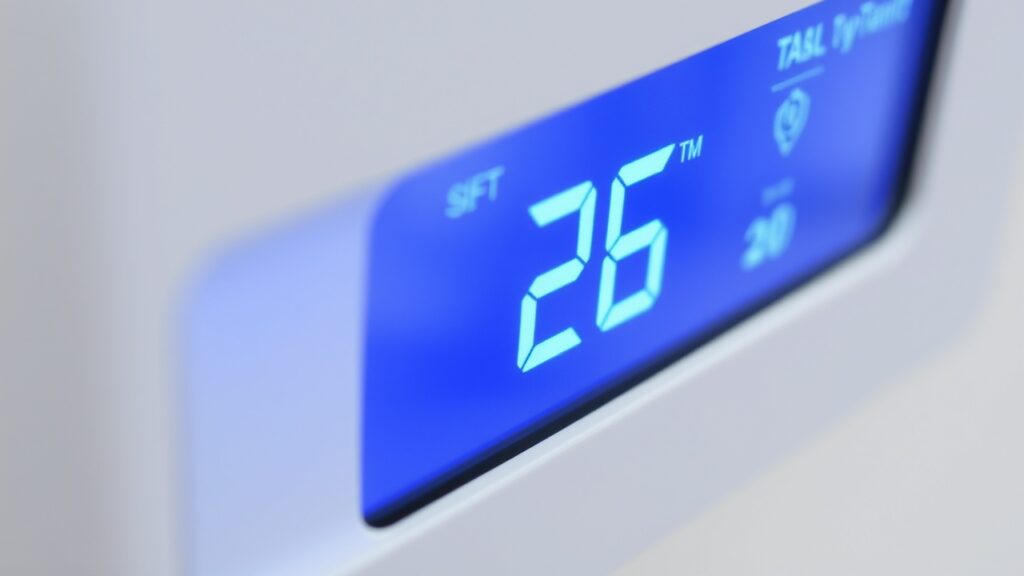
Optimizing Your Thermostat Settings
Optimizing your thermostat settings is a simple yet effective way to help you save energy. Set your thermostat to a lower temperature in the winter and a higher temperature in the summer when you are away or asleep. Consider installing a programmable thermostat to automate these adjustments and further reduce energy consumption. This will help you save energy.
Sealing Air Leaks for Better Efficiency
Sealing air leaks can significantly improve home energy efficiency. Identify and seal gaps around windows, doors, and other openings to prevent drafts. Proper insulation and weatherstripping can reduce heating and cooling losses. Sealing these leaks will make your home more energy efficient by maintaining a consistent temperature and lowering energy costs.
Maintaining Your Heating and Cooling Systems
Regular maintenance of your heating and cooling systems ensures they operate efficiently. Clean or replace air filters regularly to maintain proper airflow. Schedule professional check-ups to ensure your systems are running at peak performance. Well-maintained systems consume less energy, which will directly impact your energy bill and enhance the lifespan of your appliances.
Appliance Usage and Energy Saving Tips
Choosing Energy Star Rated Appliances
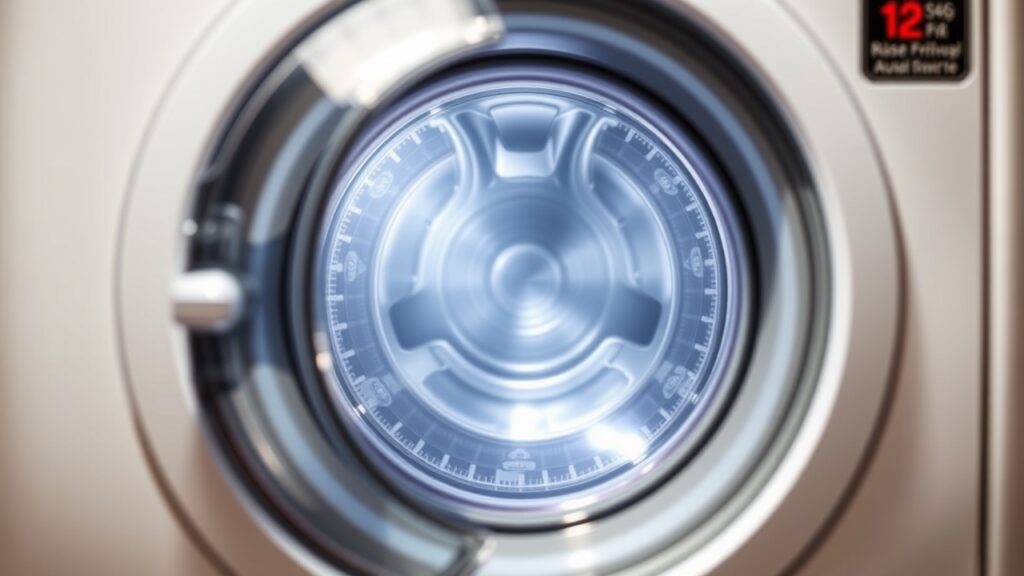
Selecting Energy Star appliances is a smart move toward boosting your home energy efficiency. These appliances are designed to use less energy than standard models, directly impacting your energy bill. When buying a new appliance, such as a dishwasher, refrigerator, or washing machine, look for the Energy Star label to ensure optimal energy usage and long-term energy savings. Choosing energy-efficient appliances is one of the best energy-saving tips.
Efficient Use of Water Heaters and Dishwashers
Maximize efficiency with your water heater and dishwasher by using them wisely. Lower the thermostat on your water heater to 120°F (49°C) to save energy and prevent scalding. Run your dishwasher only with a full load to reduce energy consumption and water usage. Consider using the energy-saving settings on your dishwasher for even greater energy savings. Effective use of your appliances can drastically reduce your utility bill.
Smart Practices for Everyday Appliances
Employ smart practices with your everyday appliances to save energy at home. Regularly clean the lint trap of your clothes dryer to ensure it operates efficiently, which will use less energy. Unplug appliances and chargers when not in use to eliminate phantom energy use. These no-cost tips can lead to significant energy savings over time and make your home more energy efficient, reducing your energy costs.
Lighting and Other Energy Saving Tips
Switching to Energy Efficient Bulbs
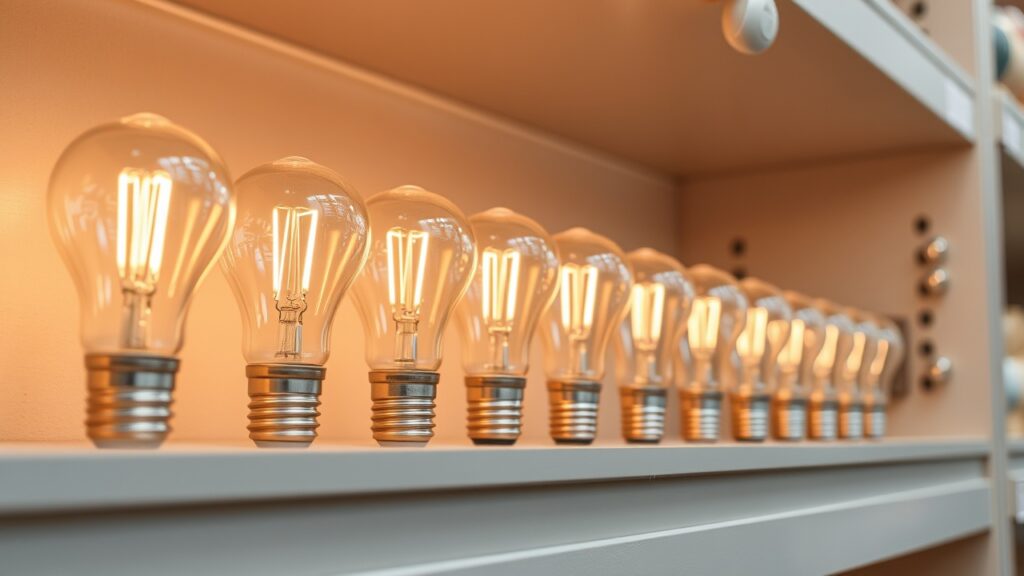
Switching to energy-efficient bulbs, such as LED bulbs, is a simple yet highly effective way to save energy. LED bulbs use significantly less energy than traditional incandescent bulbs and last much longer. Replacing your old bulbs with LEDs can drastically reduce your energy bill and contribute to overall home energy efficiency. This is a quick and easy energy-saving tip that can help you save.
Unplugging Devices to Reduce Phantom Energy Use
Many electronic devices continue to consume energy even when turned off, a phenomenon known as phantom energy use. To combat this, unplug devices such as televisions, computers, and chargers when they are not in use. Using a power strip to turn off multiple devices at once can simplify this process and further reduce your energy consumption. Taking this simple step can significantly reduce your electric bill and help you save energy.
Using Natural Light to Save Energy
Leveraging natural light is a fantastic way to save energy at home. Open curtains and blinds during the day to maximize the amount of natural light in your home, reducing the need for artificial lighting. Position furniture strategically to take advantage of natural light sources. Utilizing natural light not only reduces energy consumption but also creates a more pleasant and inviting living environment, contributing to overall energy savings and a brighter, more sustainable home.
No-Cost Tips to Make Your Home More Energy Efficient
Simple Changes to Reduce Energy Usage
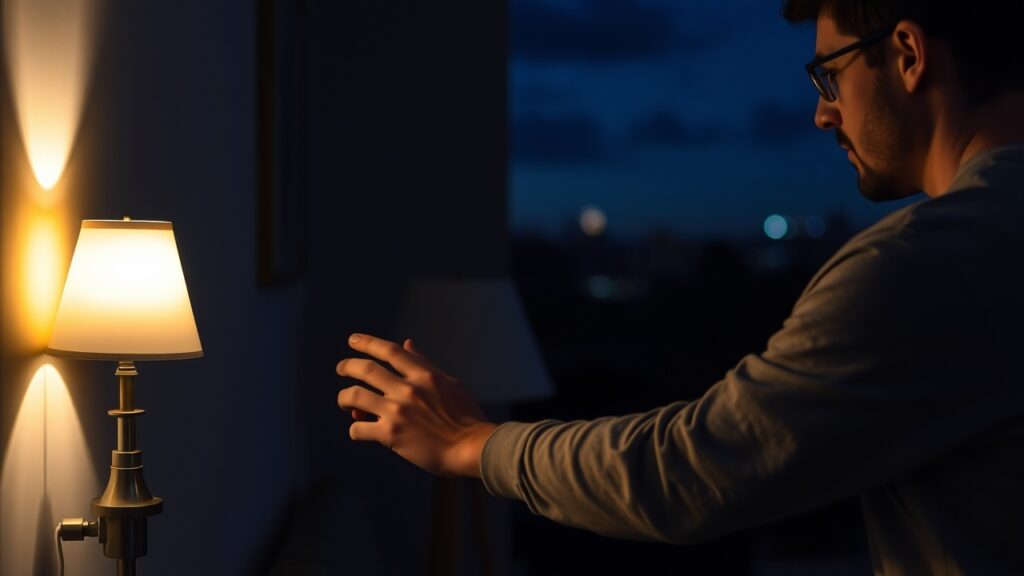
There are many no-cost tips that can significantly reduce your home energy consumption. One of the easiest is to adjust your daily habits to use energy more efficiently. For example, turning off lights when you leave a room and using natural light whenever possible are simple ways to save energy at home. Making these small adjustments can have a big impact on your energy bill and help you save energy without spending any money, contributing to home energy efficiency.
DIY Home Improvements for Energy Savings
DIY home improvement projects can also lead to substantial energy savings. Sealing gaps and cracks around windows and doors with weatherstripping is a low-cost way to prevent drafts and reduce heating and cooling. Adding insulation to your attic and walls, if possible, can further improve your home’s energy efficiency, making your home more energy efficient. These projects require minimal investment but can yield significant long-term savings on your utility bill.
Utilizing Your Air Vents Wisely
Optimizing your air vents is another effective no-cost tip for enhancing home energy efficiency. Ensure that vents are not blocked by furniture or curtains, allowing air to circulate freely. In rooms that are not frequently used, consider closing the vents to redirect heating and cooling to occupied areas. This can help you save energy by focusing resources where they are most needed, reducing your overall energy usage and lowering your electric bill.
Long-Term Strategies for Home Energy Efficiency
Investment in Energy Efficient Upgrades
For long-term savings, consider investing in energy-efficient upgrades for your home. Replacing old appliances with Energy Star rated models can significantly reduce your energy consumption. Upgrading your heating and cooling systems to energy-efficient units can also result in substantial savings over time. While these upgrades require an initial investment, the long-term energy savings and increased home value make them worthwhile, enhancing your home energy efficiency.
Monitoring Your Energy Bill for Trends
Regularly monitoring your energy bill can provide valuable insights into your energy consumption patterns. Look for trends in your energy usage to identify areas where you can make improvements. Comparing your energy bill from month to month and year to year can help you track the effectiveness of your energy-saving efforts. Understanding these trends will help you save energy and fine-tune your strategies for energy efficiency and lower your energy costs.
Resources for Further Learning on Energy Efficiency
The Department of Energy and other organizations offer numerous resources for further learning about energy efficiency. Explore websites, workshops, and educational materials to deepen your understanding of energy-saving strategies. Stay informed about the latest technologies and best practices in home energy efficiency to make the most of your energy-saving tips. These resources can empower you to save energy and make informed decisions about energy use in your home.