
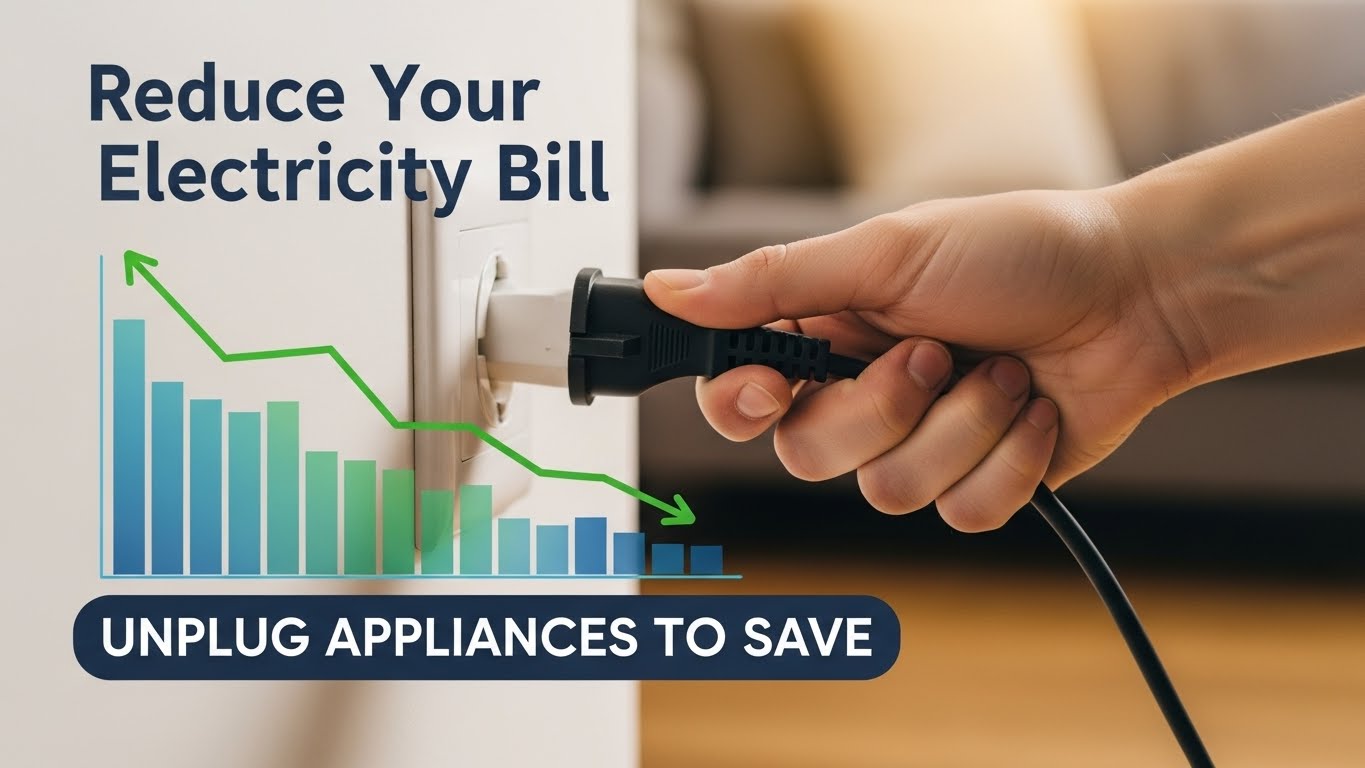
In today’s world, managing our finances effectively is more important than ever. One area where many of us can make significant savings is on our energy bill. Often, it’s the small changes that make the biggest difference. This article explores practical ways to reduce your electricity bill by focusing on simple actions like unplugging appliances when they’re not in use. By understanding how electricity is used in our homes and adopting energy-efficient habits, we can lower our bill and contribute to a more sustainable lifestyle.
Understanding Your Electricity Use
How Electricity Bills are Calculated
Understanding how your electricity bill is calculated is the first step in managing your energy costs. Utility companies typically measure electricity use in kilowatt-hours (kWh). The electric bill reflects the total kWh consumed during the billing cycle multiplied by the cost per kWh. Factors like peak demand charges, which reflect the highest amount of electricity used at any one time, and other fees can also impact the final amount. Knowing these components helps you identify potential areas for reducing electricity use and ultimately reducing your electricity bill.
The Impact of Household Appliances on Your Bill
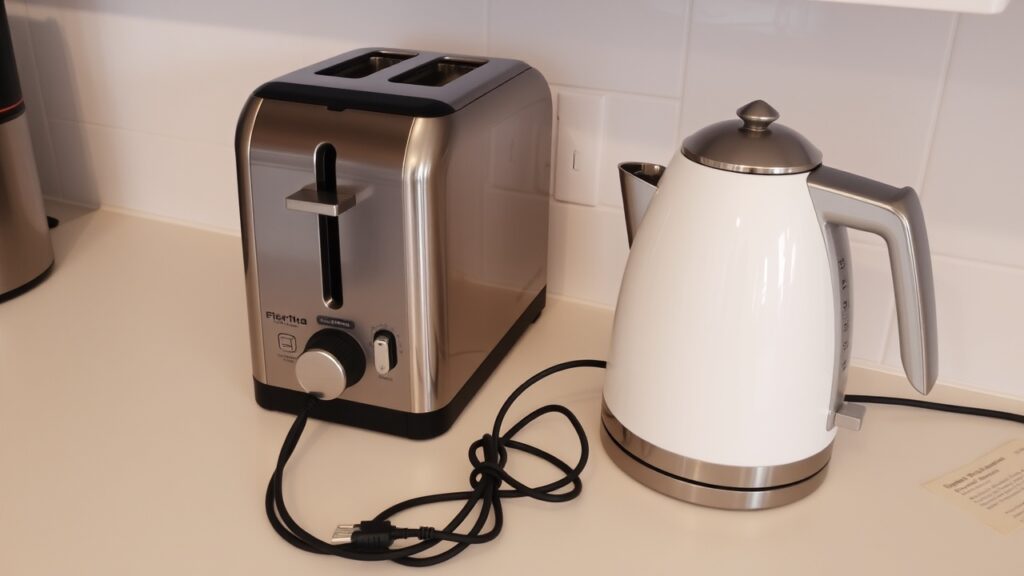
Household appliances are significant contributors to your energy bill. Some appliances, like water heaters and refrigerators, consume electricity continuously to maintain temperature. Others, such as dishwashers and washing machines, use a large amount of power during operation. Even small appliances, like phone chargers and coffee makers, draw power when plugged in, even if they are not actively in use. Understanding the power consumption of each appliance is crucial for identifying ways to reduce energy and save money, making a noticeable impact on your energy bill.
Identifying High Electricity Consumption Areas
Pinpointing areas of high electricity consumption is crucial for an effective energy-saving strategy. Heating and cooling systems often top the list, especially if your home isn’t well insulated. Older appliances tend to be less energy efficient than newer, Energy Star certified models. Lighting, especially incandescent bulbs, can also contribute significantly to your energy bill. By monitoring your energy use with tools like smart meters or energy monitors, you can identify these high consumption areas and implement targeted strategies to reduce energy and save energy and money, like upgrading to LED bulbs or improving insulation.
Appliances to Unplug Around Your Home
Common Household Appliances that Consume Energy
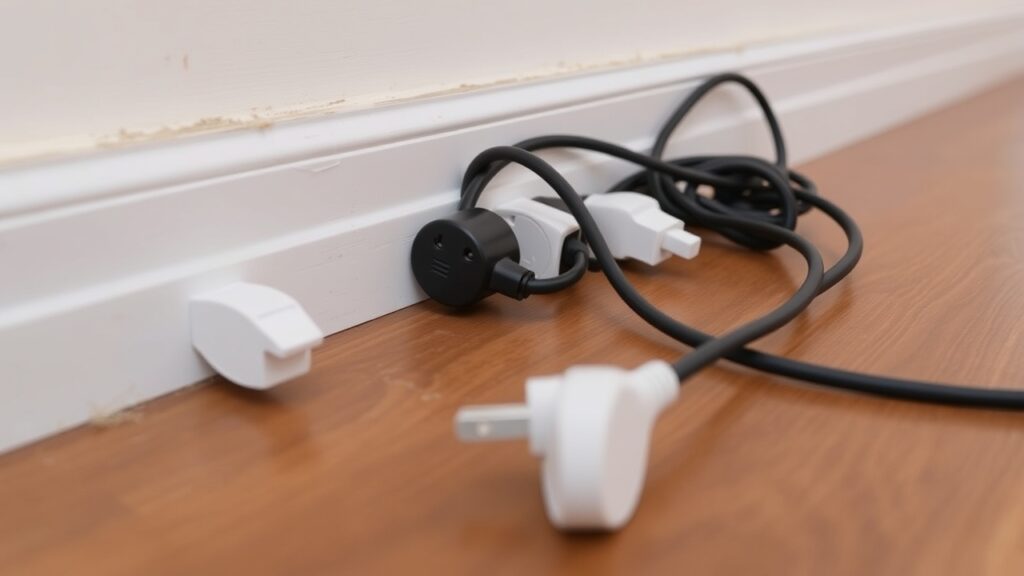
Many common household appliances continue to draw power even when they’re turned off, contributing to a higher electric bill. These “phantom loads” come from devices like TVs, computers, and gaming consoles in standby mode, as well as chargers for phones and tablets. Small appliances like coffee makers, toasters, and blenders also consume electricity when plugged in. Unplugging these devices or using a power strip to easily switch them off can save energy and money over time. It’s one of the simple ways to reduce your electricity bill.
Heating and Cooling Systems: Energy Drainers
Heating and cooling systems are significant energy drainers in most homes. Air conditioners, furnaces, and space heaters consume a large amount of electricity to maintain a comfortable temperature. Using a smart thermostat can help you save energy by automatically adjusting the temperature when you’re away or asleep. Regular maintenance, such as changing filters and ensuring proper insulation, can also improve energy efficiency. Consider alternative solutions like ceiling fans to circulate air or heat pumps to heat or cool individual rooms, which helps to reduce energy use.
Water Heaters and Dishwashers: The Hidden Costs
Water heaters and dishwashers are essential appliances, but they can lead to hidden costs on your electric bill. Water heaters continuously use energy to maintain a consistent temperature, even when hot water isn’t being used. Dishwashers, especially older models, can consume a significant amount of power per cycle. Lowering the thermostat on your water heater, washing full loads in the dishwasher, and using energy-saving settings are all ways to reduce energy and save you money. These small changes can make a noticeable difference in reducing your electricity bill.
Strategies to Lower Your Electric Bill
How Unplugging Devices Can Save You Money
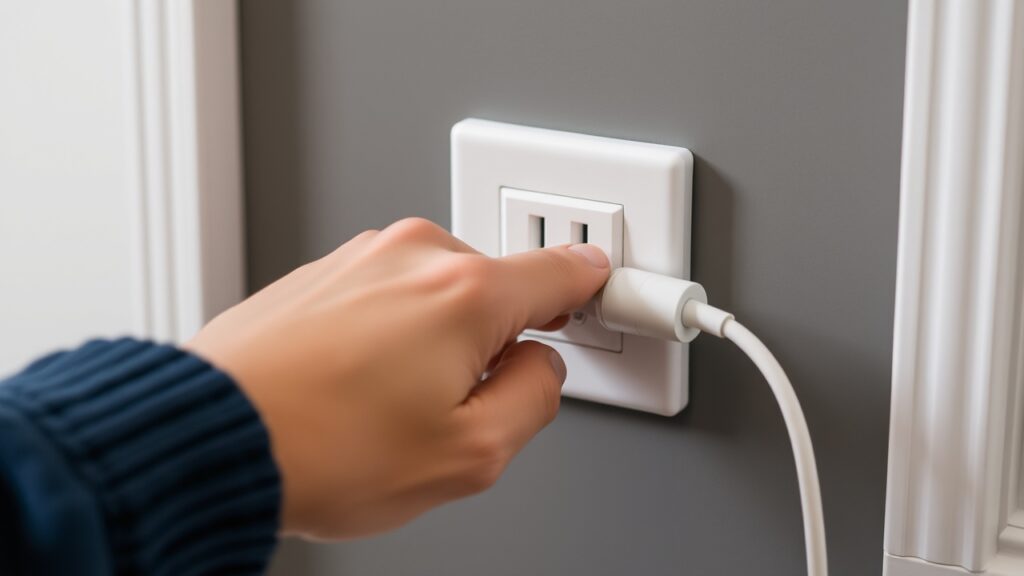
Unplugging devices is a simple yet effective way to save energy and lower your bill. Many electronics consume electricity even when turned off, known as standby power. By unplugging these devices when not in use, you eliminate this unnecessary energy consumption. Using a power strip can make it easier to switch off multiple devices at once. This simple habit can lead to significant savings on your electric bill over time, helping you manage your energy costs more effectively and providing easy ways to reduce your electricity bill.
Smart Home Devices for Energy Efficiency
Smart home devices offer innovative ways to reduce energy use and improve energy efficiency. Smart thermostats learn your heating and cooling patterns and adjust the temperature accordingly, saving energy and money. Smart plugs can be used to control the power to appliances remotely, ensuring they’re not consuming electricity when not in use. Smart lighting systems, using LED bulbs, can also be programmed to turn off automatically when rooms are empty. These devices help you save energy and money, while also providing greater convenience and control over your home energy use.
Creating Energy-Saving Habits in Your Household
Establishing energy-saving habits is crucial for long-term savings on your electric bill. Encourage household members to turn off lights when leaving a room and unplug devices when not in use. Optimize your use of appliances, such as washing full loads of laundry and running the dishwasher only when it’s full. Consider using energy-efficient settings on appliances and lowering your thermostat when away or asleep.
For more in-depth information on energy-saving strategies and tips, consult resources like the U.S. Department of Energy: Energy.gov.
By making these habits a part of your daily routine, you can reduce electricity consumption and achieve lasting reductions on your energy bill.
Realizing the Benefits of Reducing Electricity Consumption
Long-term Savings on Your Power Bill
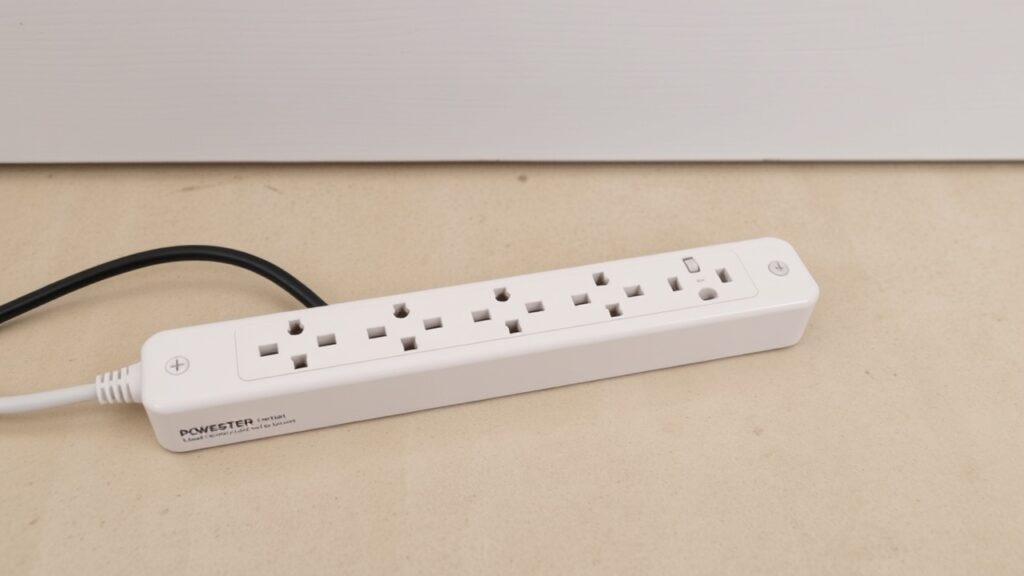
One of the most immediate and tangible benefits of reducing your electricity consumption is the long-term savings on your power bill. By adopting energy-efficient habits such as unplugging appliances and using smart home devices, you can significantly lower your bill each month. Over time, these savings can accumulate, freeing up funds for other financial goals. Small changes to reduce energy, such as switching to LED bulbs and ensuring proper insulation, can make a big difference to help you save.
Environmental Benefits of Lower Electricity Use
Reducing your electricity use has significant environmental benefits. Lower electricity consumption means less demand on power plants, many of which rely on fossil fuels. By using less energy, you contribute to reducing greenhouse gas emissions and combating climate change. Choosing Energy Star certified appliances, using less energy and incorporating solar panels can further minimize your environmental impact. Embracing energy efficiency is a way to save and a responsible step toward a sustainable future.
How to Monitor Your Progress in Saving Energy
Monitoring your progress is essential to ensure the effectiveness of your energy-saving efforts. Use your utility bill to track your electricity consumption month by month, noting any changes after implementing new energy-efficient strategies. Consider using a smart meter or energy monitor to get real-time data on your energy use. This allows you to identify which appliances are consuming the most electricity and adjust your habits accordingly. Keeping track of your energy use provides motivation and reinforces your ways to reduce electricity.
FAQs About Reducing Your Electricity Bill
What devices should I unplug to save electricity?
Here’s how you can reduce energy consumption and lower your electric bill: simply unplug devices. This includes:
- TVs
- Computers
- Chargers
- Small appliances
Doing so eliminates standby power consumption.
Can I really lower my bill without sacrificing comfort?
Yes, you can reduce energy and lower your bill by using smart thermostats, Energy Star appliances, and energy-efficient lighting without major lifestyle changes.
Are there smart home devices that help save energy?
Here’s how smart home devices contribute to energy savings. They achieve this by:
- Automating energy-saving measures.
- Providing insights into energy use.
Specifically, devices like smart thermostats, smart plugs, and smart lighting systems are instrumental in this process.