
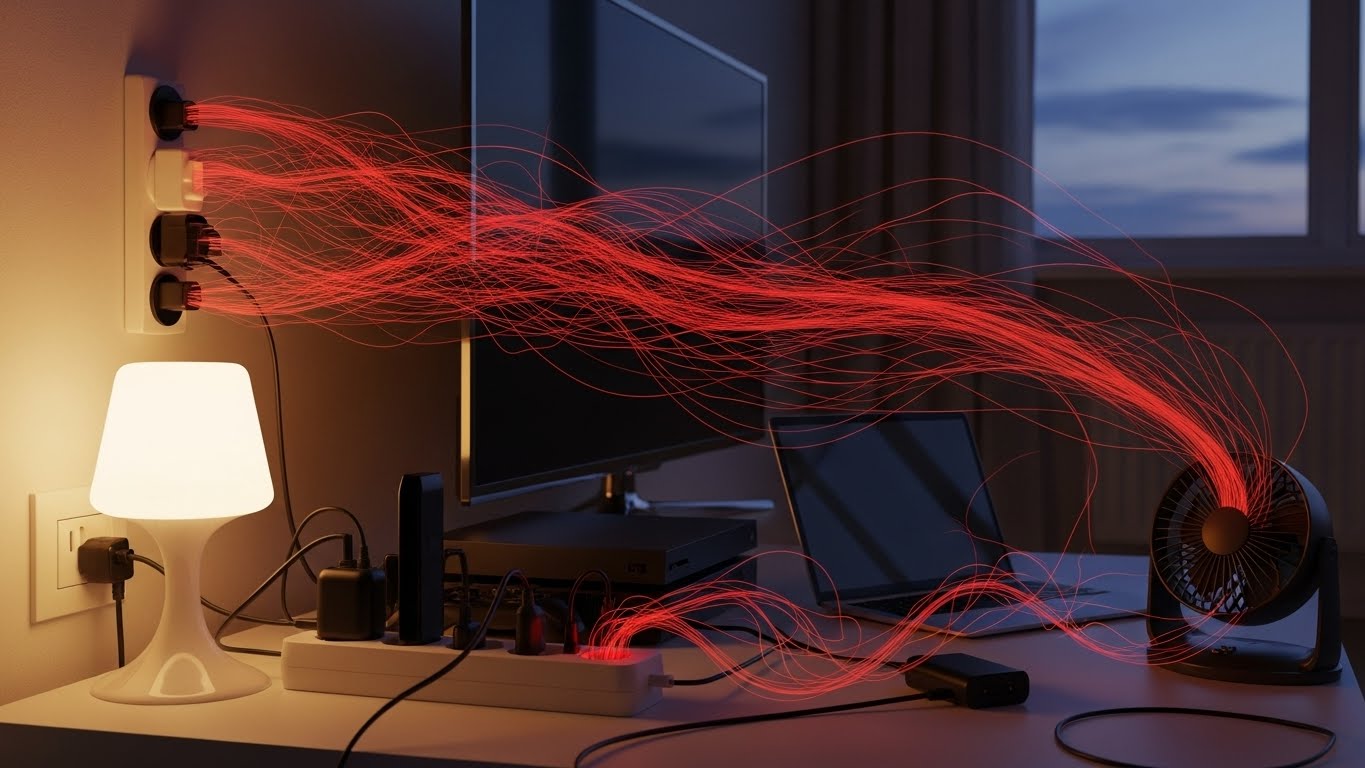
In today’s world, where energy efficiency is paramount, understanding and reducing standby power consumption is essential for both our wallets and the environment. Many of us are unaware of the electricity consumed by devices even when they’re turned off. This article explores how to reduce standby power, the impact of phantom power, and practical ways to reduce standby energy loss.
Understanding Standby Power
What is Standby Power?
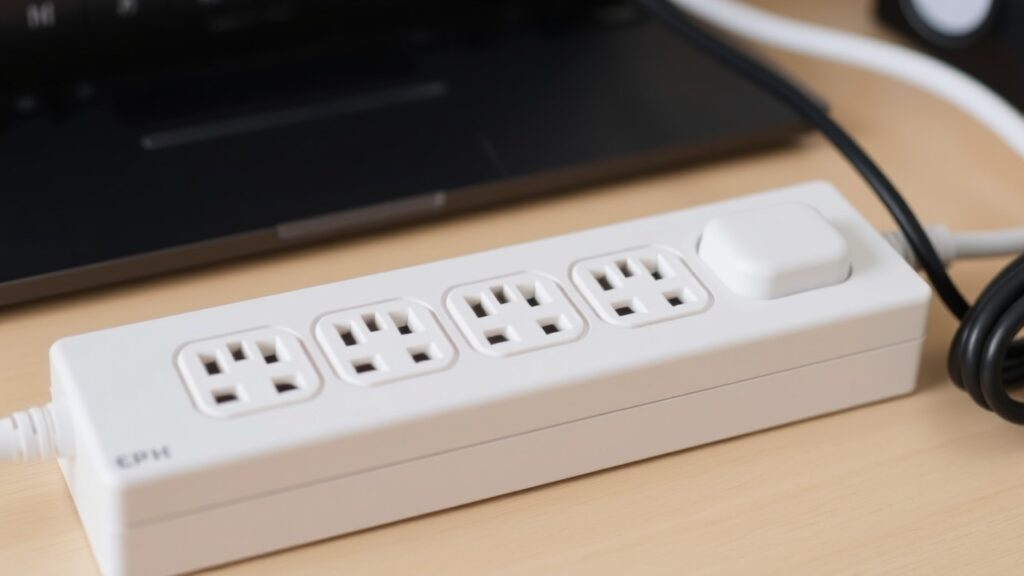
Standby power, also known as phantom power or vampire energy, refers to the electricity consumed by devices when they are turned off but still plugged into a power supply. These appliances continue to draw power to maintain functions like remote control readiness, clock displays, or simply to be ready for immediate use. This seemingly insignificant energy use adds up over time, contributing to substantial energy waste.
How Standby Power Contributes to Energy Loss
Standby power consumption significantly contributes to overall energy loss in households. While individual appliances may consume only a small amount of electricity in standby mode, the collective impact across all devices in a home can be substantial. This wasted energy translates directly into higher energy bills and an unnecessary strain on our planet’s resources. By understanding how much power these devices consume, we can take steps toward eliminating standby power.
Common Sources of Phantom Power
Many common household items are notorious for consuming phantom power. These include several devices, such as:
- Televisions
- Computers
- Chargers (even when not actively charging a device)
- Kitchen appliances like coffee makers
- Gaming consoles
Any device with a remote control, external power supply, or digital display is likely to be a culprit. Identifying these sources is the first step in finding a way to reduce their standby power consumption and improving a home’s energy efficiency.
Impact of Standby Power Consumption
Effects on Household Energy Bills
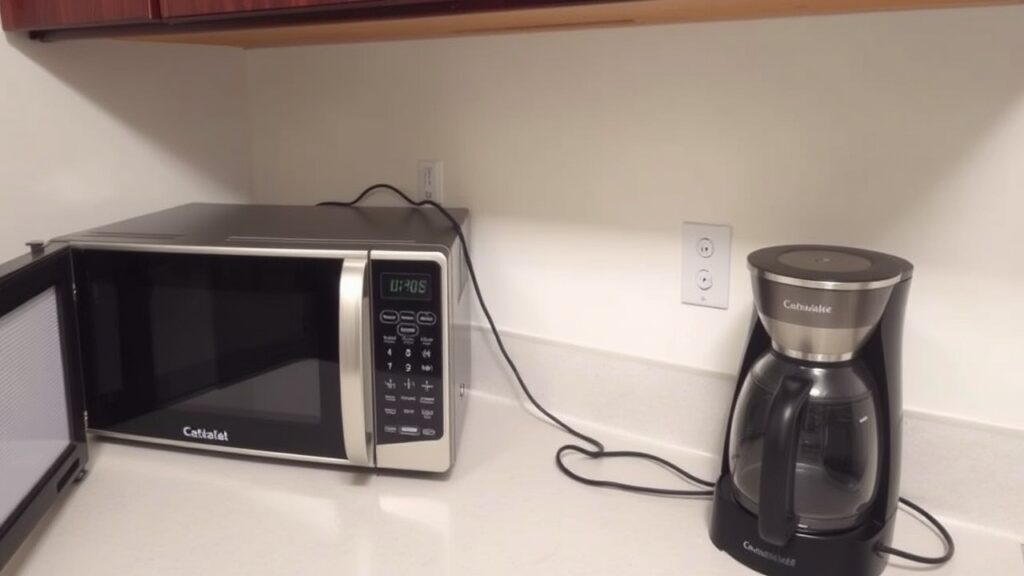
Standby power consumption can have a noticeable effect on your electric bill. While it might seem like a negligible amount per device, the cumulative effect of multiple devices drawing power constantly can significantly increase your power bill over the course of a year. Reducing standby power usage is a practical way to reduce your energy bill and save money without sacrificing convenience.
Environmental Implications of High Power Consumption
High power consumption, driven by standby power, has significant environmental implications. The electricity consumed by devices in standby mode often comes from power plants that burn fossil fuels, contributing to greenhouse gas emissions and climate change. Reducing our reliance on standby power is a step towards a more sustainable future, decreasing our carbon footprint and conserving precious resources. Embracing energy efficiency and choosing to reduce energy will benefit everyone.
Statistics on Energy Loss from Standby Mode
The Department of Energy estimates that standby power accounts for a significant percentage of total household energy usage. Studies have shown that eliminating standby power can reduce a home’s energy consumption by up to 10%, translating to substantial savings and reduced environmental impact. These statistics underscore the importance of taking action to lower standby power and promoting power saving habits in our daily lives.
Ways to Reduce Standby Power Consumption
Effective Strategies for Eliminating Standby Power
One of the simplest and most effective ways to reduce standby power consumption is to unplug devices when they’re not in use. Many appliances continue to draw power even when turned off, contributing to phantom power waste. By simply unplugging devices like chargers, coffee makers, and kitchen appliances, you can completely cut power and eliminate this unnecessary energy loss. Make it a habit to unplug devices, especially those known for high standby power use, to promote energy efficiency and lower your electric bill. This is the simplest way to reduce standby power and lower power usage.
Smart Plugs and Their Role in Reducing Energy Consumption
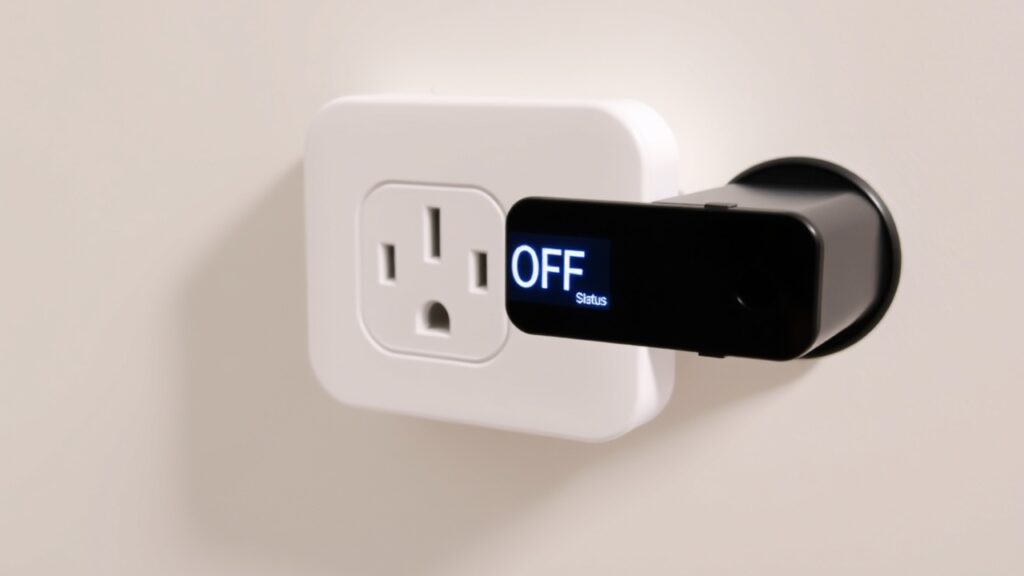
Smart plugs are a fantastic tool for managing standby power. These devices allow you to remotely control the power supply to your appliances, turning them off completely even when you’re not home. Some smart plugs even offer scheduling features, automatically cutting power during periods of inactivity. By using smart plugs, you can effectively reduce standby power consumption, saving energy and money. Smart power strips also offer similar functionality, providing an easy way to reduce energy in standby mode for multiple devices at once.
Adjusting Settings on Electronic Devices
Many electronic devices offer power-saving settings that can help reduce standby power consumption. Laptops and computers often have options to automatically enter sleep mode after a period of inactivity, reducing the amount of power they consume. Televisions and gaming consoles may also have similar settings. By adjusting these settings, you can minimize energy waste and promote energy efficiency without sacrificing convenience. Exploring these options is a simple way to reduce standby power and lower a home’s energy consumption.
Appliances and Their Standby Power Usage
Common Appliances That Consume Phantom Power
Several common appliances are notorious for consuming phantom power, also known as vampire energy. These include several devices, such as:
- Televisions, which constantly draw power to maintain remote control functionality.
- Chargers, even when not actively charging a device.
- Kitchen appliances like coffee makers with digital displays.
Identifying these high-consumption devices is the first step in taking action to reduce standby power consumption and minimizing energy waste. Understanding how much power these appliances consume can motivate you to unplug devices more often.
Energy-efficient Alternatives to Standard Appliances
When purchasing new appliances, consider opting for energy-efficient models. Look for the Energy Star label, which indicates that the appliance meets strict energy efficiency guidelines set by the Department of Energy. Energy Star appliances are designed to consume less power in both active and standby modes, helping you reduce energy consumption and lower your electric bill. Investing in energy-efficient appliances is a long-term strategy for promoting power saving and reducing standby power loss.
How to Identify Standby Power Consumers in Your Home
Identifying standby power consumers in your home can be done through a few methods. One way is to check your appliances for an external power supply or a remote control receiver, as these are often indicators of standby power consumption. Another method is to use a watt meter, a device that measures the amount of electricity consumed by an appliance. By plugging your appliances into a watt meter, you can accurately determine how much power they draw in standby mode and prioritize which devices to unplug or manage with smart plugs. This helps in eliminating standby power from your daily electricity use.
Future Trends in Reducing Energy Loss
Innovation in Energy-efficient Technology
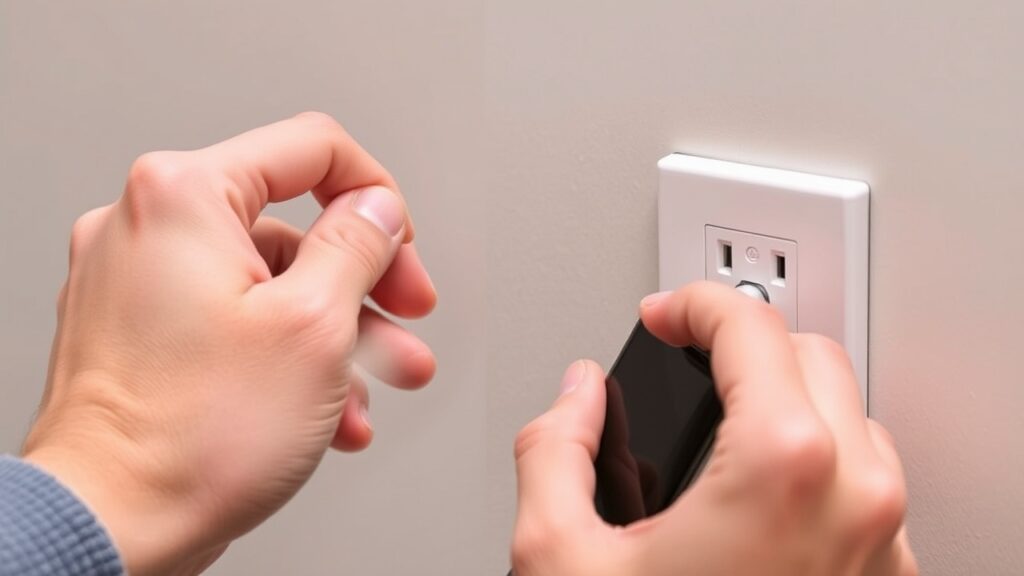
The future of reducing energy loss hinges on innovative technologies designed to minimize standby power consumption. Expect to see more appliances with ultra-low standby mode capabilities, utilizing advanced sensors and microcontrollers to cut power completely when not in active use. Furthermore, advancements in materials science could lead to more efficient power supplies that consume less energy even when devices are plugged in.
Legislation and Policies Promoting Reduced Standby Power
Government regulations and policies will play a crucial role in encouraging manufacturers to design more energy-efficient products. Stricter standby power limits, similar to the Energy Star program, may become mandatory, pushing companies to innovate and reduce standby power consumption across a broader range of appliances. Incentives such as tax breaks for consumers who purchase power saver and Energy Star appliances can also drive adoption and lower standby power overall.
Consumer Awareness and Education on Energy Savings
Increased consumer awareness is vital for driving demand for energy-efficient products and encouraging power saving habits. Educational campaigns can highlight the impact of phantom power on energy bills and the environment, motivating individuals to take simple steps to reduce standby power such as unplugging devices or using smart power strips. Empowering consumers with knowledge about how much power their appliances consume will lead to more informed purchasing decisions and a greater emphasis on energy efficiency.
FAQs about Standby Power and Energy Loss
What is the best way to reduce standby power?
The most effective way to reduce standby power is to unplug devices when they are not in use. Using smart plugs and power strips to cut power to multiple appliances is also a great way to reduce electricity use from vampire energy.
How much energy can be saved by reducing phantom power?
By eliminating standby power, a household can typically reduce its total energy consumption by up to 10%, leading to significant savings on energy bills and lowering a home’s energy consumption. This simple change can help reduce wasted energy and lower your electric bill.
Are there specific devices that are worse for standby power?
Yes, devices with remote control receivers, external power supplies, or digital displays tend to be the worst offenders for standby power consumption. These include a variety of appliances, such as:
- Televisions and gaming consoles
- Coffee makers and chargers, even when not in use
Pay special attention to these appliances when looking for ways to reduce electricity consumed by devices.