
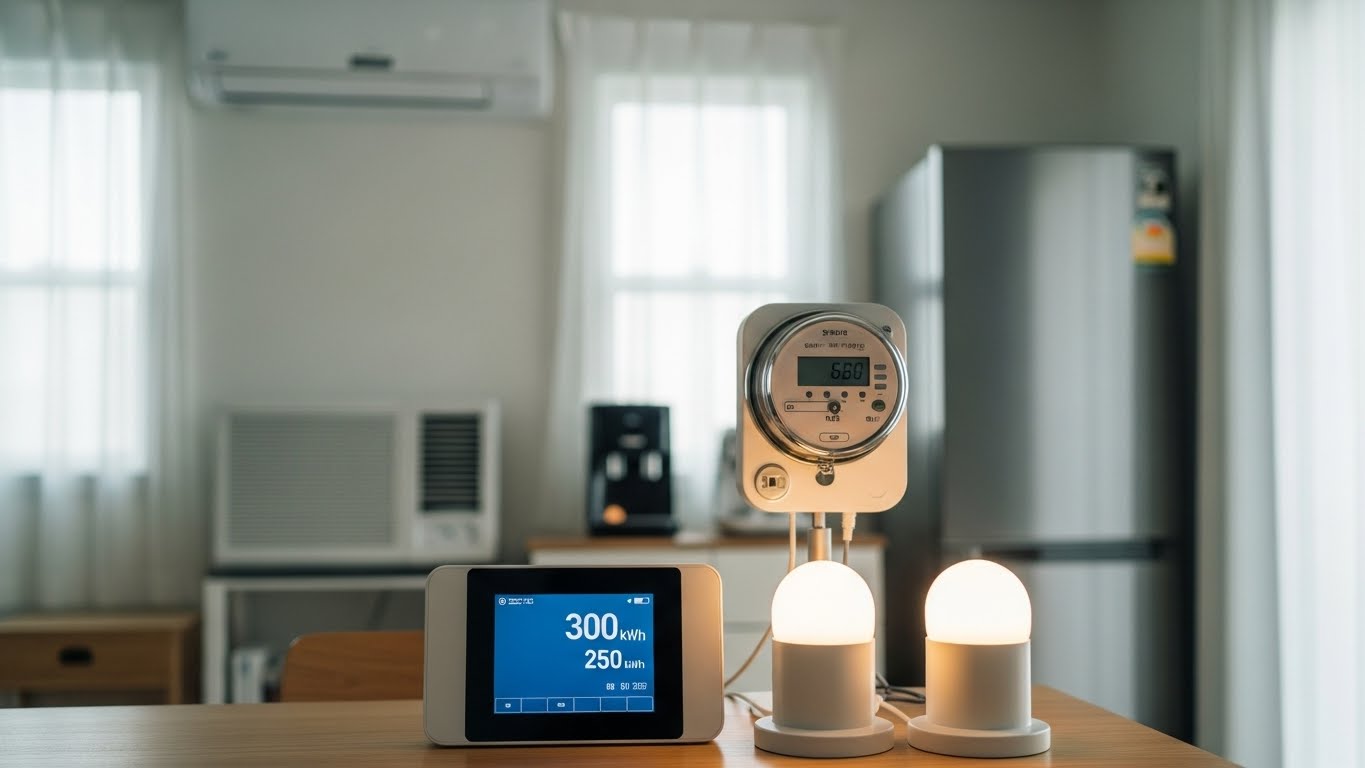
Monitoring home energy is crucial for understanding and managing your electricity usage, ultimately leading to savings on your electricity bill. By tracking your energy consumption, you can identify which appliances and devices are consuming the most electricity, allowing you to make informed decisions about energy efficiency and potentially lower your electric bill.
Understanding Home Energy Monitoring
What is an Energy Monitor?
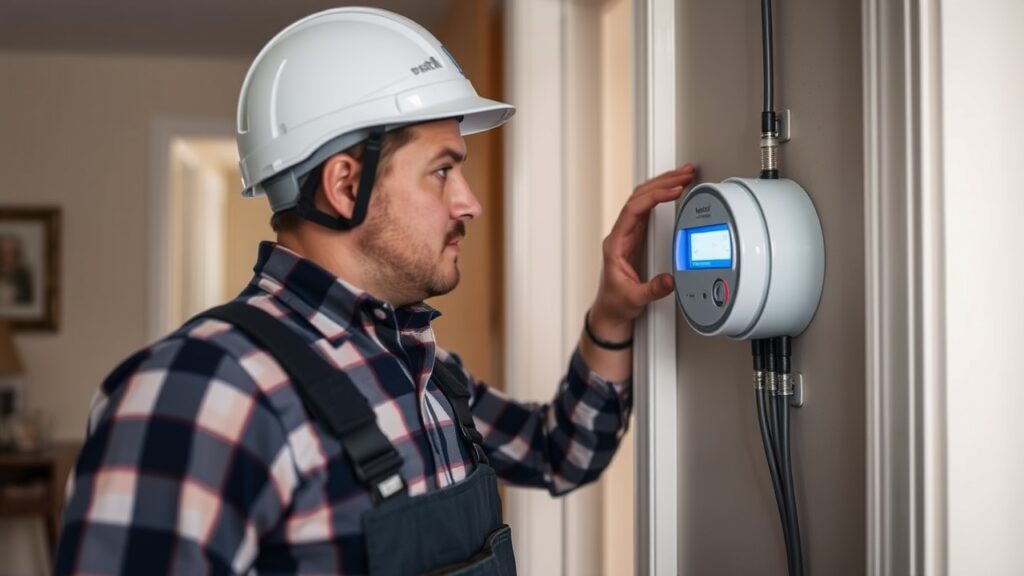
An energy monitor is a device that tracks electricity usage in your home. These devices can provide real-time data on your energy consumption, helping you understand how much electricity different appliances and electrical devices are using. With a home energy monitor, you can gain insights into your overall energy consumption and identify areas where you can reduce energy use.
Importance of Monitoring Electricity Usage
Monitoring electricity usage is essential for managing your home energy effectively. By tracking your energy consumption, you can identify energy-hogging appliances and make adjustments to reduce your power usage. Understanding your energy usage patterns can lead to significant savings on your electric bill and contribute to a more energy-efficient lifestyle. Regular electricity monitoring can reveal unexpected spikes in energy use and cost.
Key Features of a Home Energy Monitor
A home energy monitor typically offers several key features, including:
- Real-time tracking of electricity use
- Historical data analysis
- The ability to identify individual appliance energy consumption
Many energy monitoring systems also provide alerts for unusual energy usage patterns, allowing you to address potential issues promptly. Some advanced monitors can even integrate with smart home devices for enhanced control and automation.
Types of Energy Monitoring Systems
Whole-House Energy Monitors
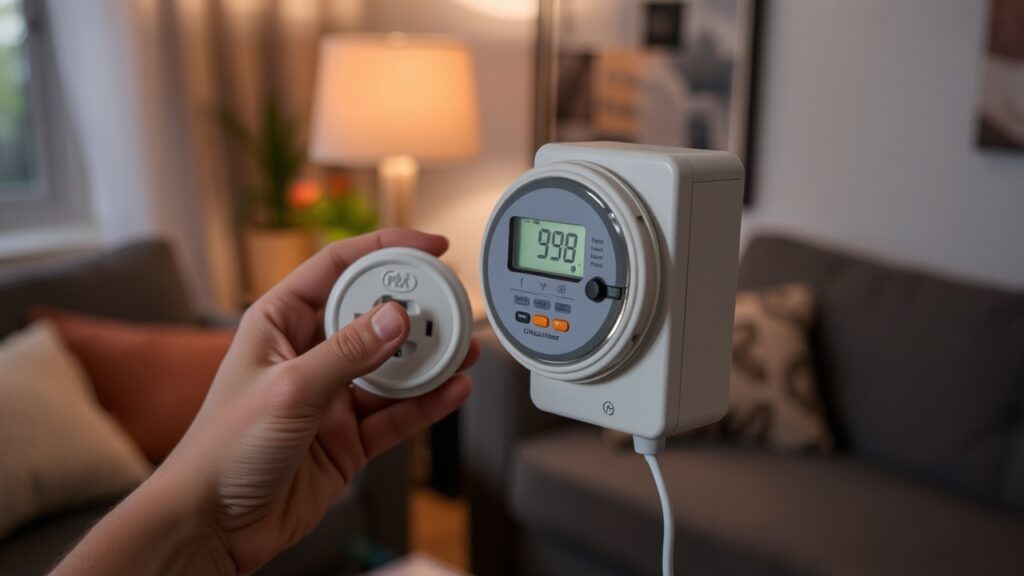
Whole-house energy monitors track electricity use at the main breaker panel, providing a comprehensive view of your entire home’s energy consumption. These systems typically require professional installation by an electrician and offer detailed data on overall energy consumption, helping you understand your home’s energy footprint. By measuring at the electrical panels, they give an overview of annual energy.
Appliance-Specific Energy Monitors
Appliance-specific energy monitors, such as smart plugs, track the electricity usage of individual devices. These monitors plug into outlets and measure the power consumption of the appliance connected to them. They provide detailed insights into how much energy specific devices use, helping you identify energy-intensive appliances and make informed decisions about their use.
Comparing Sense Energy Monitor and Emporia Energy
The Sense energy monitor and Emporia Energy Vue are two popular whole-house energy monitoring system options. The Sense monitor utilizes advanced algorithms to identify individual appliances based on their unique electrical signatures. In contrast, the Emporia Energy Vue offers a more straightforward approach, focusing on real-time electricity usage and historical data analysis. Both monitors can help reduce your electricity bill.
To determine which system is better for you, review third-party reviews. For example, this Forbes.com article provides a comprehensive review of Sense Energy Monitor’s functionality: Sense Energy Monitor Review
How to Choose the Right Energy Monitor
Factors to Consider when Selecting an Energy Monitor
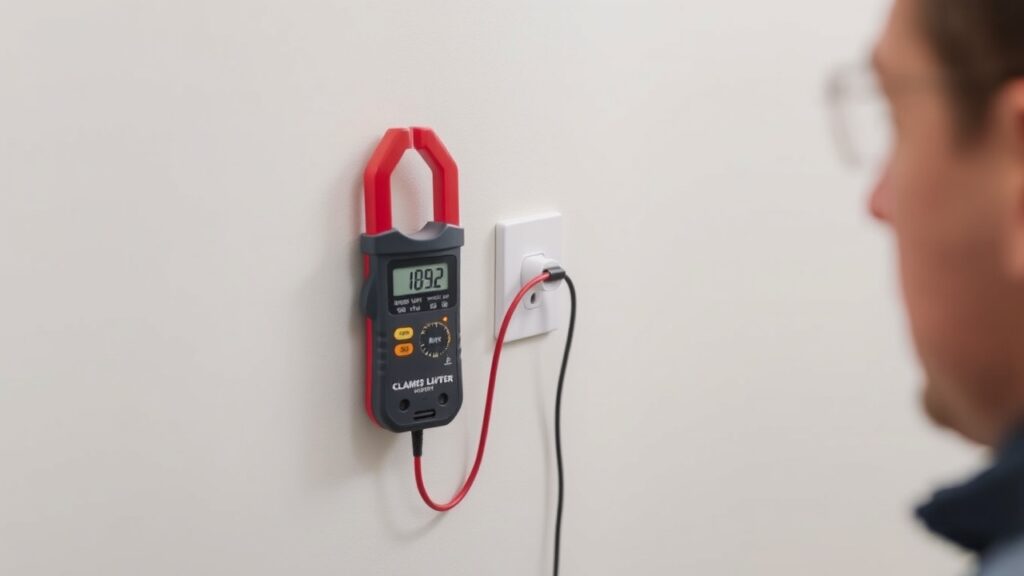
Selecting the right home energy monitor requires careful consideration. Key factors to consider include:
- Determining whether you need a whole-house energy monitor or appliance-specific energy monitors.
- The level of detail you require, as some energy monitoring systems offer real-time data, while others provide historical analysis.
Also, factor in your budget, installation requirements, and compatibility with other smart home devices. Check if the monitor is compatible with your electrical panels and circuit breaker.
Installation and Setup Process
The installation and setup process varies depending on the type of energy monitor you choose. Whole-house energy monitors often require professional installation by an electrician, as they need to be connected to the breaker panel. Appliance-specific energy monitors, such as smart plugs, are typically easier to install, simply plugging into an outlet. Regardless, follow the manufacturer’s instructions carefully to ensure proper setup and accurate electricity usage monitoring.
Compatibility with Smart Home Devices
Compatibility with smart home devices can enhance the functionality of your home energy monitor. Many energy monitoring systems can integrate with smart home platforms, allowing you to control appliances remotely and automate energy-saving measures. For instance, you can use a smart plug to automatically turn off devices when they’re not in use or receive alerts when energy consumption exceeds a certain threshold. Check if your chosen energy monitor is compatible with your existing smart home ecosystem.
Analyzing Your Energy Usage
Understanding Electricity Consumption Patterns
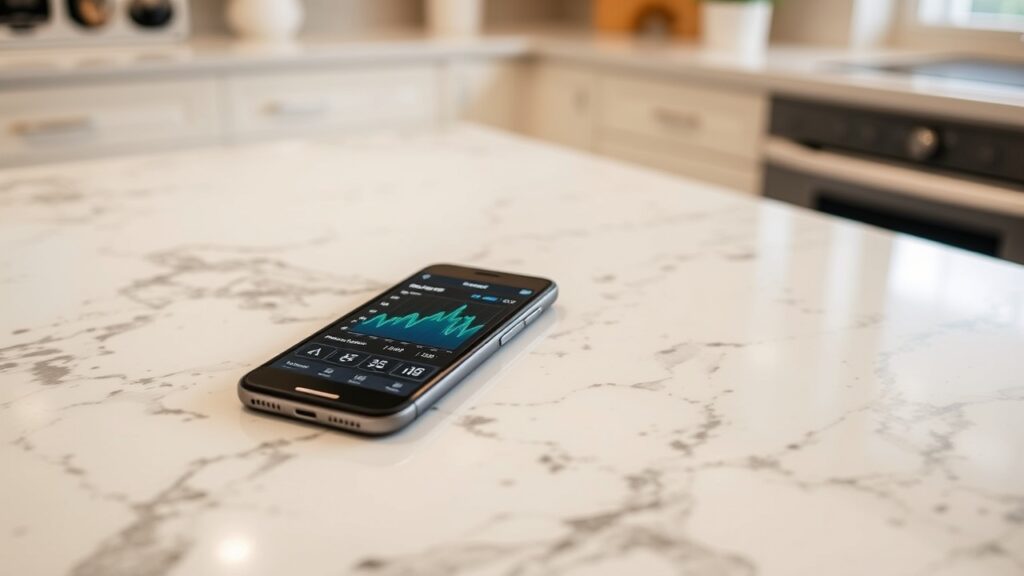
Understanding your electricity consumption patterns is key to reducing your electric bill and improving energy efficiency. By monitoring your energy usage, you can identify peak usage times and energy-hogging appliances. For example, you might discover that your refrigerator consumes more energy than expected or that leaving devices on standby contributes significantly to your overall energy consumption. Analyzing your electricity usage helps you pinpoint areas for improvement.
Using Data to Reduce Your Electric Bill
The data provided by a home energy monitor can be invaluable in reducing your electric bill. Once you understand your energy consumption patterns, you can take targeted actions to reduce your power usage. This might involve upgrading to Energy Star certified appliances, adjusting your thermostat settings, or simply being more mindful of turning off lights and devices when they’re not in use. Use the monitor data to track your progress and measure the impact of your energy-saving efforts.
Setting Goals for Energy Efficiency
Setting specific, measurable, achievable, relevant, and time-bound (SMART) goals for energy efficiency can help you stay motivated and track your progress. For example, you might set a goal to reduce your overall energy consumption by 10% within the next three months. Use your energy monitor to track your electricity use and cost, and adjust your strategies as needed. Celebrate your successes and learn from any setbacks to continuously improve your energy efficiency. Check your annual energy consumption to see if you managed to improve your consumption.
Benefits of Monitoring Your Home Energy
Reducing Environmental Impact
Monitoring your home energy allows you to reduce your environmental impact by optimizing electricity consumption and minimizing energy use. An energy monitor provides real-time data on your power usage, helping you identify areas where you can conserve much energy. By adjusting your habits and using energy-efficient appliances, you can lower your carbon footprint and contribute to a more sustainable lifestyle by reducing electricity consumption.
Financial Savings and Incentives
One of the key benefits of using a home energy monitor is the potential for significant financial savings. By tracking your electricity usage, you can identify energy-hogging appliances and adjust your energy use to lower your electric bill. Many utility companies also offer incentives and rebates for customers who implement energy-efficient measures, making home energy monitoring a financially sound investment. With an electricity usage monitor in place, you are more prepared for understanding the circuit.
Enhancing Home Automation and Smart Features
Integrating a home energy monitor with smart home devices can enhance automation and provide greater control over your energy consumption. By connecting your energy monitoring system to smart plugs, you can automatically turn off devices when they’re not in use or adjust thermostat settings remotely. This level of automation not only saves energy but also adds convenience to your daily life. It can also help you track chargers.
Frequently Asked Questions
How does a home energy monitor work?
A home energy monitor tracks electricity usage by measuring the electrical current flowing through your home’s circuits or individual appliances. It provides real-time data on energy consumption, helping you identify ways to reduce energy use and lower your electric bill. Some monitors can even identify specific appliances based on their electricity usage patterns. You can measure the device uses.
A home energy monitor works by measuring the electric current flowing through your electrical panels or a power strip and provides real-time data on electricity consumption.
Can I monitor my energy usage remotely?
Yes, many modern home energy monitors offer remote monitoring capabilities. These systems typically connect to your home’s Wi-Fi network, allowing you to access your energy usage data from a smartphone app or web browser. You can monitor your electricity consumption and control smart devices from anywhere with an internet connection. You can monitor much electricity your home consumes.
Yes, many home energy monitors come with mobile apps or web interfaces that allow you to monitor your energy usage remotely.
What are the long-term benefits of energy monitoring?
Here are some of the long-term benefits of energy monitoring. By continuously tracking your energy consumption and making informed decisions about your power usage, you can achieve significant cost savings over time. Long term benefits include:
- Reduced electric bill
- Improved energy efficiency
- A smaller environmental footprint
Additionally, understanding your energy usage patterns can lead to more sustainable habits and a greater awareness of your impact on the environment. In the long term you will reduce your annual energy consumption.
The long-term benefits include reduced costs, increased energy efficiency, and a more sustainable lifestyle.