
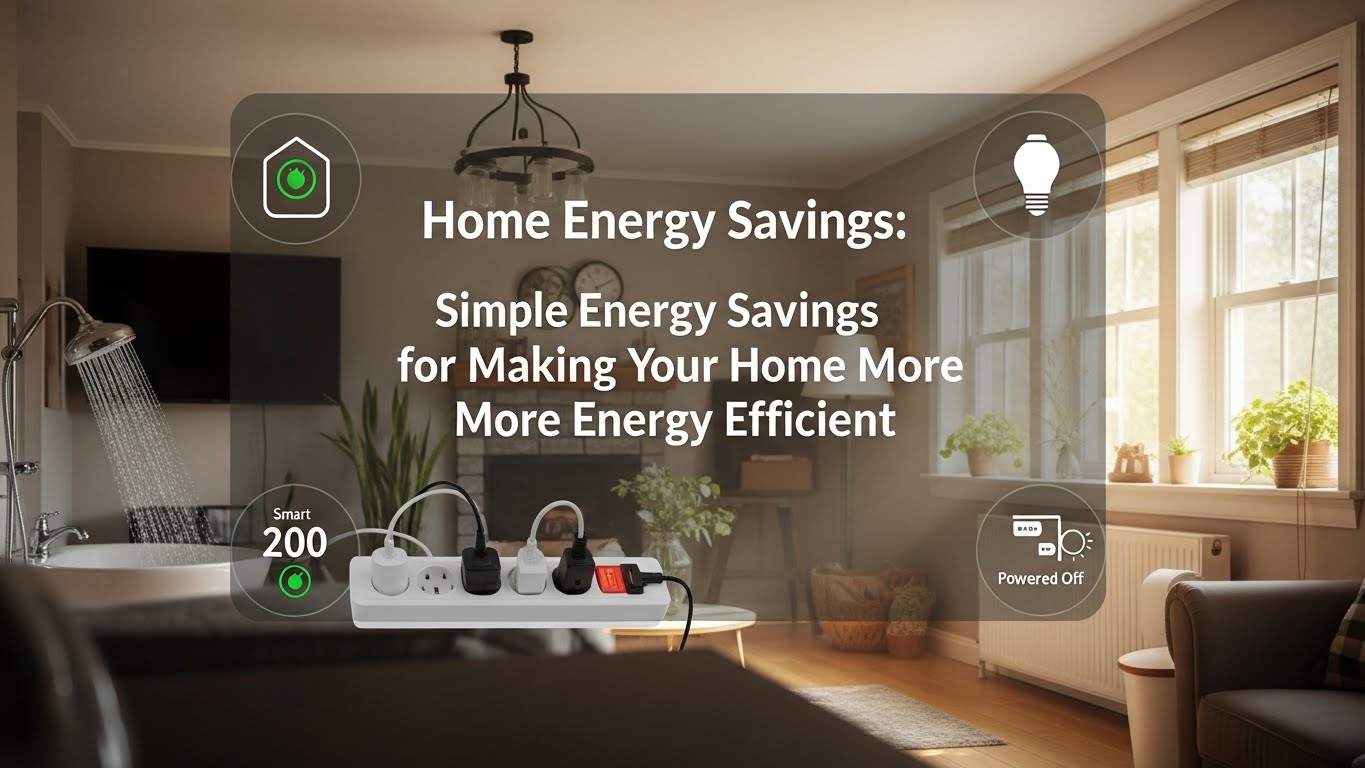
Discover practical energy saving tips to make your home more energy efficient. By implementing these simple strategies, you can significantly reduce your energy bill, decrease your energy usage, and contribute to a more sustainable environment. Let’s explore various ways to save energy and money, ensuring your home is both comfortable and energy-conscious.
Understanding Energy Efficiency
What is Energy Efficiency?
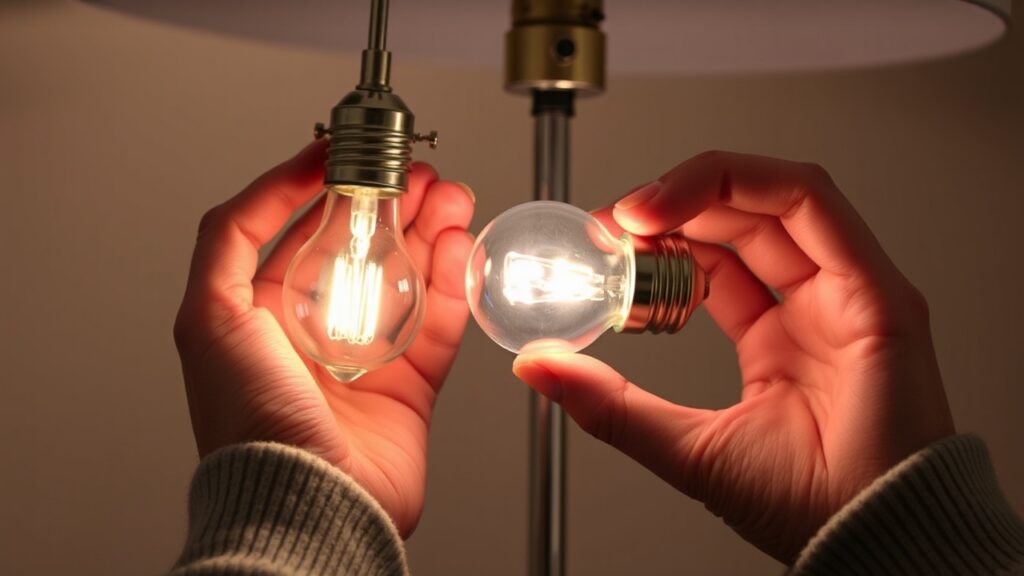
Energy efficiency refers to using less energy to perform the same task or produce the same result. It’s about optimizing energy use to minimize waste, ultimately lowering your energy costs. When your home is energy efficient, you reduce the amount of energy needed for heating and cooling, lighting, and operating appliances.
Benefits of Energy Savings
The benefits of energy savings are numerous and impactful. There are several advantages, including:
- Lowering your energy bills
- Reducing your carbon footprint
Saving energy can also increase the value of your home, as energy-efficient homes are increasingly attractive to buyers. Furthermore, energy savings contribute to a more sustainable future.
How Energy Efficiency Impacts Your Home
Energy efficiency dramatically impacts your home by reducing energy usage and lowering your utility bills. Simple changes, such as upgrading to energy-efficient appliances or improving insulation, can make your home more energy efficient. This not only saves energy and money but also enhances your home’s comfort and overall value.
Ways to Save Energy at Home
Energy-Saving Home Improvements
Energy-saving home improvements are an investment in the future. These improvements can range from simple fixes, like sealing windows and doors, to more extensive projects, such as adding insulation or replacing old windows with energy-efficient models. Addressing these areas will help you save energy and lower your energy bills.
Upgrading Your Thermostat
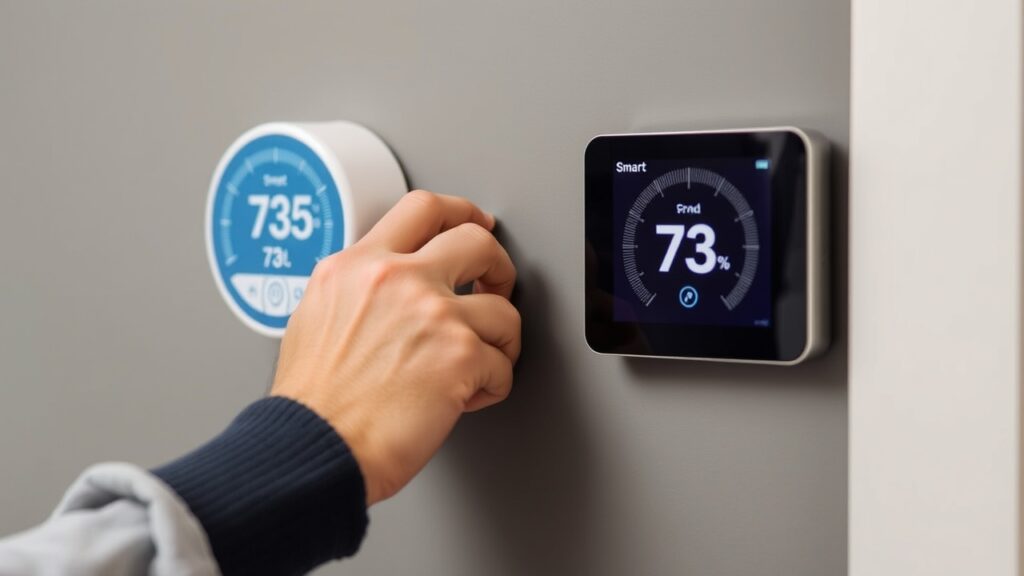
Upgrading your thermostat is a smart way to control home heating and cooling costs. A programmable or smart thermostat allows you to set different temperatures for different times of the day, ensuring you’re not wasting energy when you’re away or asleep. An Energy Star certified thermostat can significantly help you save on energy.
Implementing Renewable Energy Solutions
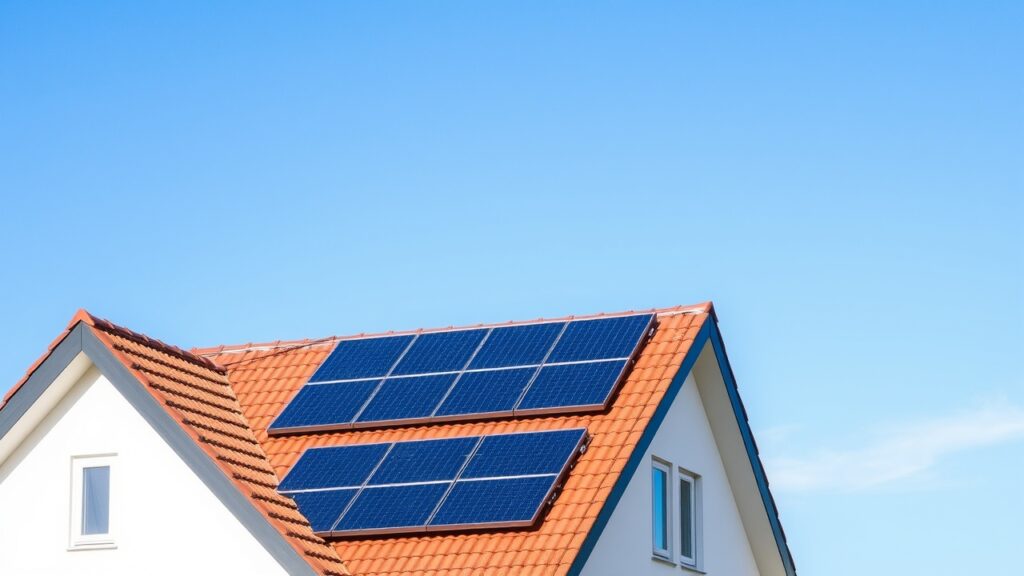
Implementing renewable energy solutions, such as solar panels, is a significant step toward making your home more energy efficient. While the initial investment can be substantial, the long-term energy savings and environmental benefits are undeniable. Plus, many regions offer rebates and incentives for adopting renewable energy.
Home Energy Audits
What is an Energy Audit?
An energy audit is a comprehensive assessment of your home’s energy efficiency. It identifies areas where energy is being wasted and suggests energy-saving home improvements to make your home more energy efficient. An energy audit helps you understand your energy usage, find ways to save energy, and reduce your energy bill. By pinpointing inefficiencies, you can prioritize energy upgrades that offer the best return on investment, helping you save energy and money.
Steps to Conduct a Home Energy Audit
Conducting a home energy audit involves several key steps, including the following:
- Examining your utility bills to understand your energy usage patterns.
- Inspecting your home’s insulation, windows, and doors for air leaks.
Use a checklist to identify areas needing improvement. Consider a professional energy audit for a more detailed analysis and specific recommendations, helping you save on energy. Remember to check for rebates and incentives for energy-efficient upgrades.
Identifying Air Leaks and Insulation Issues
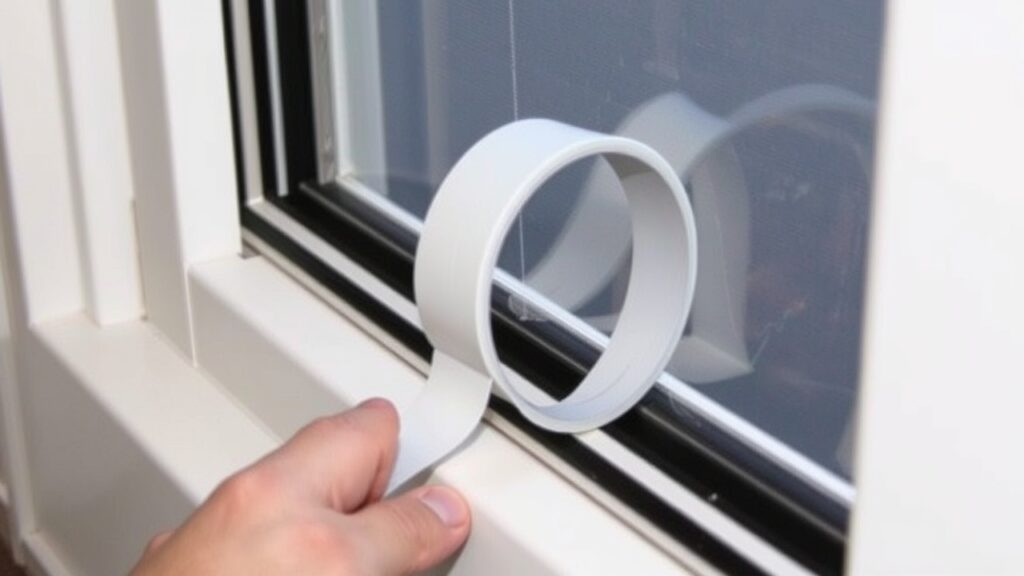
Identifying air leaks and insulation issues is crucial for energy efficiency. Common areas for air leaks include windows, doors, and electrical outlets. Use caulk or weatherstripping to seal these leaks. Insulation plays a vital role in maintaining consistent temperatures, so ensure your attic, walls, and floors have adequate insulation. Addressing these issues can significantly improve energy efficiency and help you save energy, ultimately lowering your energy bills.
Energy-Saving Tips for Everyday Life
Efficient Use of Appliances: Dishwashers and Water Heaters
Efficient appliance use is key to energy conservation. To maximize savings, consider these practices:
- Run your dishwasher only when it’s fully loaded and use the energy-saving setting.
- Lower your water heater’s thermostat to 120°F (49°C) to prevent scalding and save energy and money.
Also, think about replacing older water heaters with energy-efficient models. These adjustments can significantly reduce your energy usage.
How to Use Programmable Thermostats Effectively
Programmable thermostats are excellent energy savers if used correctly. Set your thermostat to automatically lower the heat or air conditioning when you’re asleep or away. A smart thermostat can even learn your habits and adjust settings accordingly, making your home more energy efficient. Proper use of a programmable thermostat can help you save energy and reduce home heating and cooling costs, contributing to lowering your energy bills.
Simple Habits: Unplugging and Closing Blinds
Simple habits can add up to significant energy savings. Unplug electronic devices and appliances when not in use, as they still consume energy in standby mode. Use a power strip to easily switch off multiple devices at once. Close blinds and curtains during the hottest part of the day to keep your home cooler, reducing the need for air conditioning. These easy energy tips can help you save energy and money without significant effort. According to the Department of Energy, these small changes can lead to substantial energy savings over time.
For more in-depth information on energy-saving strategies, visit the U.S. Department of Energy’s Energy Saver website.
Financial Incentives for Energy Efficiency
Understanding Rebates and Incentives
Exploring rebates and incentives is a smart move when planning energy-efficient upgrades. Many utility companies and government programs offer financial incentives for homeowners who invest in energy-saving appliances and home improvements. These incentives can significantly reduce the upfront costs of making your home more energy efficient, making it easier to save energy and money. Always check with your local utility company and the Department of Energy for available rebates. These incentives can help you save on energy costs and make your home more energy efficient.
Finding Energy Star Rated Products
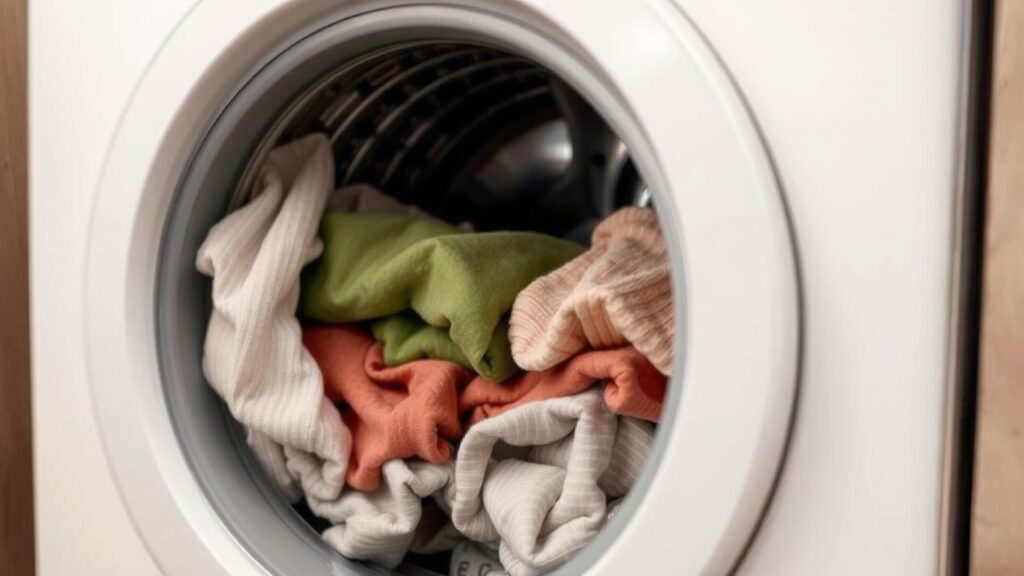
When looking for energy-efficient appliances, focus on Energy Star rated products. These products meet strict energy efficiency guidelines set by the EPA, ensuring they use less energy than standard models. From refrigerators to water heaters, Energy Star appliances can make your home more energy efficient, helping you save energy and lowering your energy bills. Look for the Energy Star label when shopping for new appliances to maximize your energy savings. Choosing Energy Star products is one of the effective ways to save energy and contribute to a more sustainable environment.
Tax Benefits for Energy-Saving Upgrades
Take advantage of tax benefits for energy-saving upgrades to further reduce your energy costs. The federal government often offers tax credits for investments in renewable energy systems, such as solar panels, and for making other energy-efficient home improvements. These tax benefits can significantly offset the cost of making your home more energy efficient, helping you save energy and money in the long run. Consult with a tax professional to understand the specific tax benefits available to you. Utilizing these incentives is a great way of lowering your energy bills.
Conclusion: Start Saving Energy Today
Recap of Key Energy Saving Tips
To recap, implementing key energy saving tips can significantly improve your home’s energy efficiency. Focus on energy-saving home improvements like sealing air leaks, upgrading to Energy Star appliances, and using programmable thermostats effectively. Remember to unplug electronics when not in use and take advantage of rebates and incentives. By making these simple changes, you can save energy and money. The more steps you take towards energy efficiency, the less energy you’ll use overall.
Encouragement to Begin Your Energy Efficiency Journey
It’s time to start your energy efficiency journey today! Every small step you take, from using less energy to implementing energy-saving strategies, contributes to a more sustainable future. Don’t be overwhelmed by the prospect of making your home more energy efficient; start with simple changes and gradually implement more significant upgrades. Embracing energy efficiency is not only beneficial for your wallet but also for the environment, helping you save energy and money.
Resources for Further Learning
For further learning and resources on energy efficiency, explore the Department of Energy’s website and Energy Star program. These resources offer valuable information on energy-saving tips, available rebates, and energy-efficient products. Additionally, consult with local utility companies for personalized advice on making your home more energy efficient and ways to save energy. Continue to educate yourself and stay informed about new energy-saving technologies and practices to maximize your energy savings and lower your energy bills.