
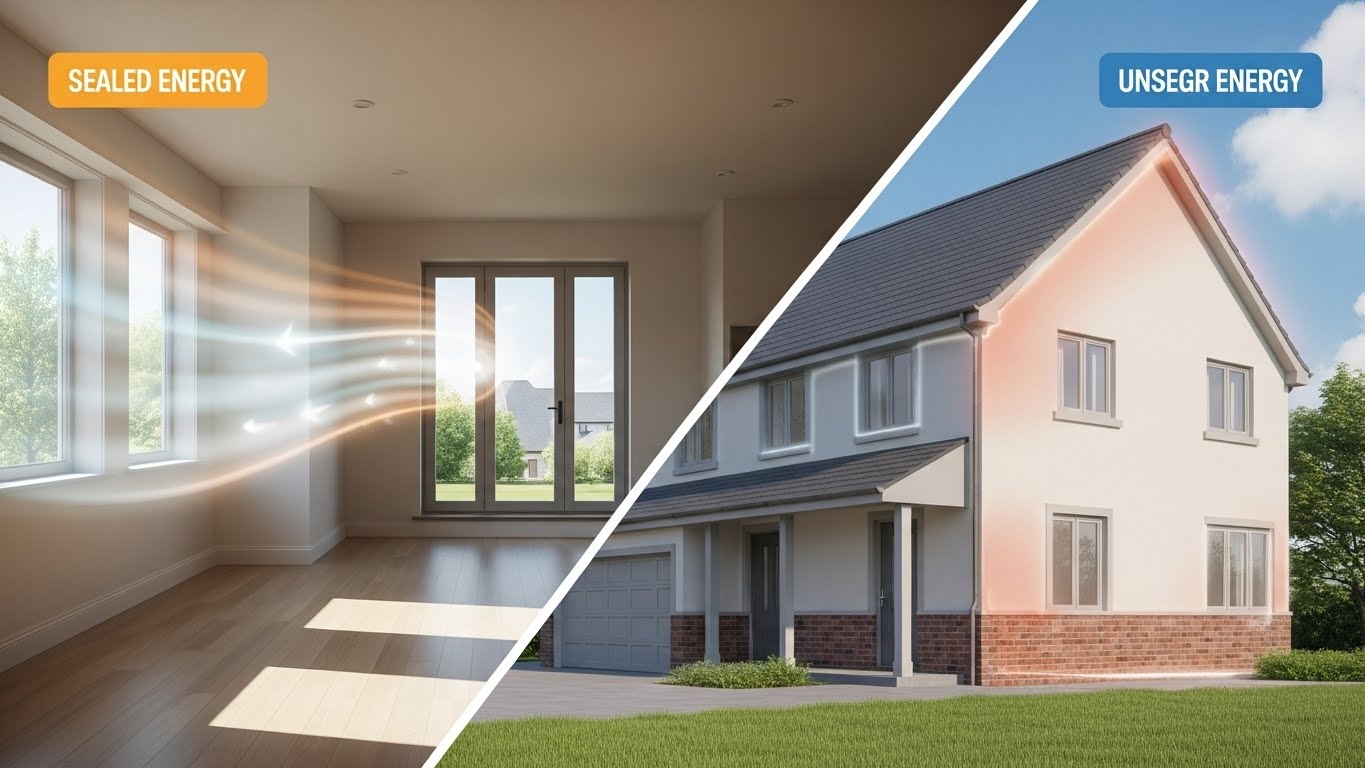
Discover how to enhance your home energy efficiency by identifying and addressing hidden energy loss. Learn practical steps to seal leaks, stop wasting energy, and save energy and money, transforming your home into an energy-efficient haven.
Understanding Energy Loss
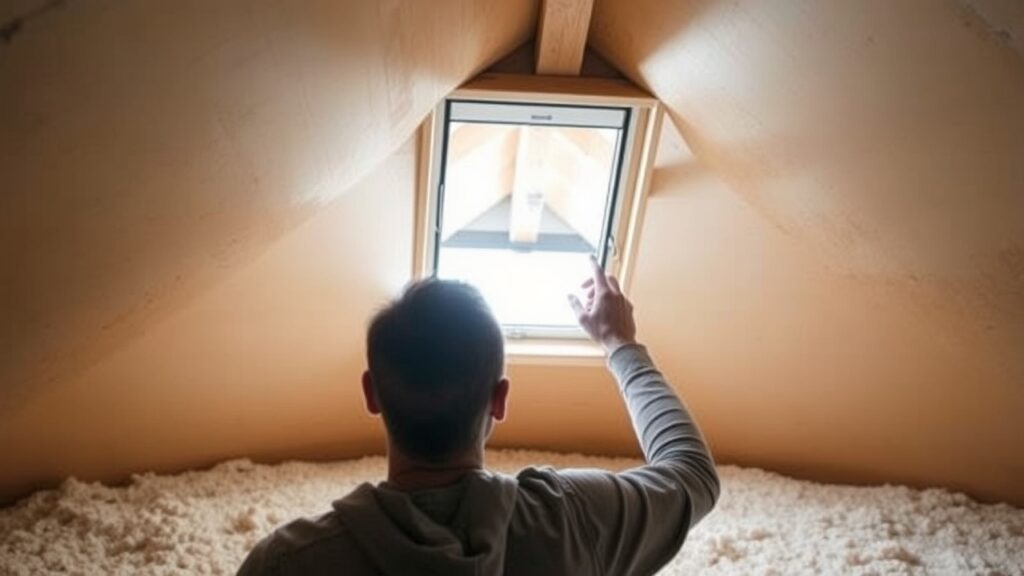
Understanding energy loss is crucial for any homeowner looking to reduce energy costs and improve home energy efficiency. Identifying the sources of energy waste within your home can significantly reduce your electricity bill and promote saving energy and money.
What is Hidden Energy Loss?
Hidden energy loss refers to the energy consumption that goes unnoticed, often occurring due to inefficient appliances, poor insulation, or air leaks. These hidden energy losses can contribute significantly to wasted energy and increased energy costs, affecting both your electric bill and overall home energy efficiency.
Common Causes of Energy Waste
Common causes of energy waste include air leaks around windows and doors, inadequate attic insulation, and inefficient HVAC systems. Appliances, like older refrigerators and water heaters, can also be significant energy wasters, contributing to higher energy bills and reducing overall home energy efficiency, leading to wasting energy and money.
Impact of Energy Loss on Home Efficiency
The impact of energy loss on home efficiency is substantial, leading to increased energy bills and reduced comfort. Identifying and addressing these inefficiencies, such as heat loss in winter or inefficient heating and cooling, is essential for improving energy efficiency and reducing your energy consumption.
Conducting an Energy Assessment
Conducting an energy assessment is the first step in identifying areas of energy loss and improving your home’s energy efficiency. An energy audit can help you analyze your home and pinpoint potential energy inefficiencies and wasted energy, leading to significant savings.
Steps to Perform a Home Energy Assessment
Performing a home energy assessment involves several key steps. You can begin by focusing on the following areas:
- Inspecting windows and doors for air leaks
- Checking attic insulation levels
Additionally, evaluate your HVAC system’s efficiency and assess your appliance’s energy use. Addressing these areas can drastically reduce your energy consumption and save energy and money.
Tools and Resources for Assessments
For effective energy assessments, use tools like thermal leak detectors to find air leaks and insulation testers to check attic insulation. Resources like the Department of Energy Department of Energy website offer valuable information on improving energy efficiency and reducing energy waste, helping homeowners make their home more energy-efficient.
Identifying Air Leaks and Drafts
Identifying air leaks and drafts is crucial for improving home energy efficiency. Check around windows and doors for drafts, and inspect ductwork for leaks. Sealing these leaks with caulk or weatherstripping can prevent heat loss in winter and reduce wasting energy and money, thus enhancing overall energy efficiency.
Insulation and Its Role in Energy Efficiency

Types of Insulation and Their Effectiveness
Different types of insulation materials, like fiberglass, cellulose, and spray foam, offer varying degrees of effectiveness. Selecting the right insulation, especially for your attic and walls, is crucial to minimize energy loss and enhance home energy efficiency. Proper insulation helps to save energy and money.
How Poor Insulation Contributes to Energy Waste
Poor or inadequate attic insulation is a major contributor to energy waste. Without enough insulation, heat loss in winter and heat gain in summer increase energy costs and lead to inefficient heating and cooling. Addressing this issue is key to making your home energy-efficient.
Improving Insulation in Your Home
To improve insulation in your home, start by assessing the current insulation levels, especially in the attic. Adding more insulation can significantly reduce your energy consumption, prevent heat loss, and lower your electricity bill, ultimately leading to saving energy and money.
Sealing Leaks and Drafts
Common Areas Where Air Leaks Occur
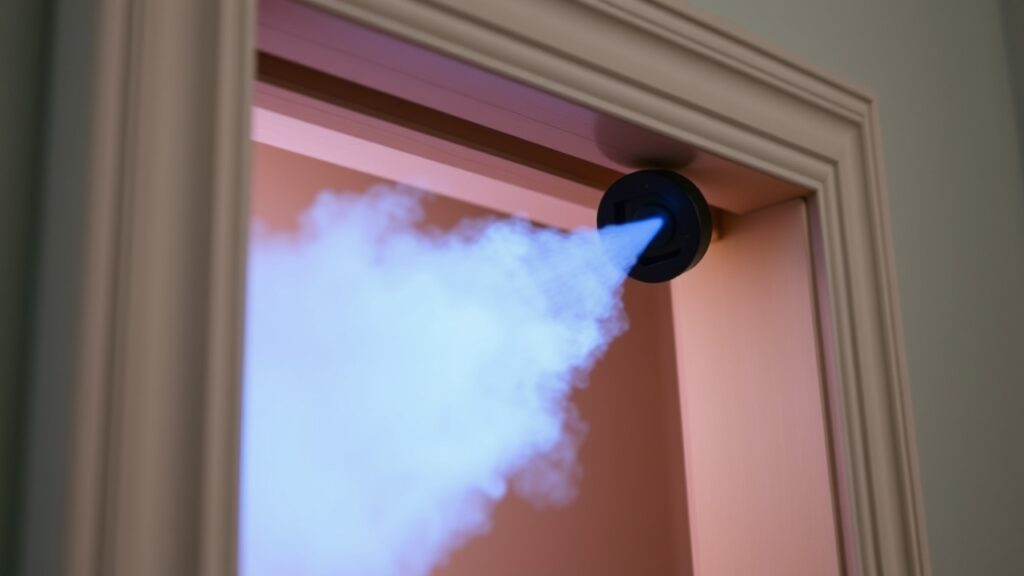
Common areas where air leaks occur include windows and doors, around pipes, and in the attic. These leaks allow drafts and heat loss, increasing energy costs. Identifying and sealing these leaks is crucial for improving home energy efficiency and preventing wasting energy and money.
Effective Techniques for Sealing Leaks
Effective techniques for sealing leaks involve using caulk and weatherstripping around windows and doors. For larger gaps, expanding foam can be used. Sealing these air leaks prevents heat loss in winter and keeps cool air in during summer, reducing your energy consumption.
Choosing the Right Materials for Sealing
Choosing the right materials for sealing air leaks is essential. Use caulk for small gaps and weatherstripping for windows and doors. Select products specifically designed for sealing air leaks to ensure long-lasting effectiveness and improve home energy efficiency, helping to save energy and money.
Optimizing Heating and Cooling Systems
Understanding Your HVAC System
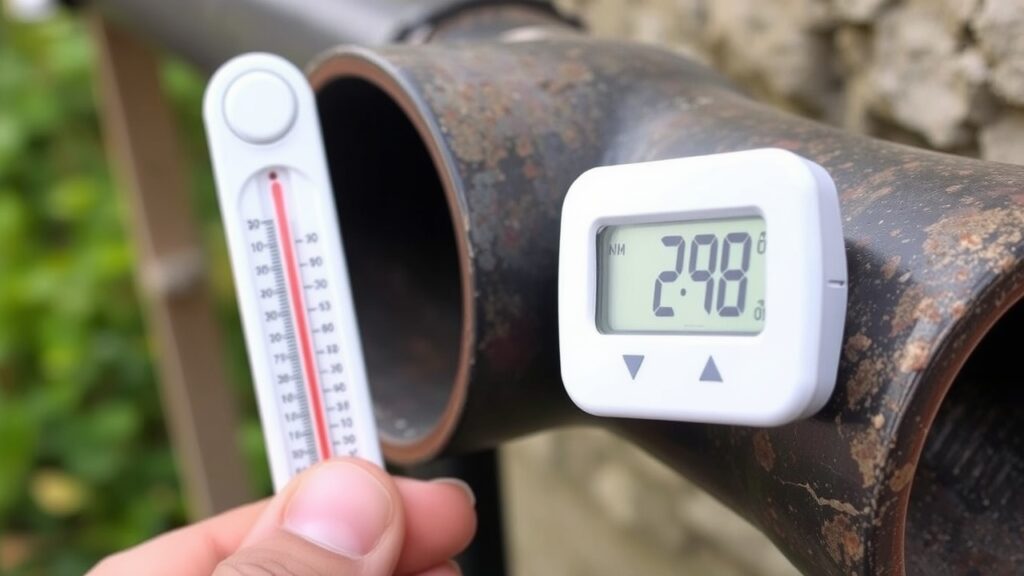
Understanding your HVAC system is crucial for optimizing energy efficiency. Regular maintenance, such as changing the air filter, can improve its performance and reduce energy waste. An efficient HVAC system contributes significantly to lowering your energy bill and helps saving energy and money.
Signs of an Inefficient HVAC System
Signs of an inefficient HVAC system include inconsistent heating or cooling, unusual noises, and rising energy bills. If your HVAC system is more than 10-15 years old, it may be time to consider an energy-efficient upgrade to reduce energy consumption.
Upgrading to Energy-Efficient Appliances
Upgrading to energy-efficient appliances, especially those with the Energy Star certified label, can significantly reduce energy waste. Replacing older, inefficient appliances like refrigerators and water heaters with energy-efficient models can lower your electricity bill and help make your home more sustainable.
Windows and Doors: Enhancing Energy Efficiency
Identifying Drafty Windows and Doors
Identifying drafty windows and doors is a crucial step in preventing heat loss and improving home energy efficiency. Air leaks around these openings can lead to significant energy waste, increasing energy costs and reducing the comfort of your home. Regular inspection can help homeowners pinpoint areas needing attention to seal leaks.
Best Practices for Sealing Windows and Doors
To seal windows and doors effectively, use caulk and weatherstripping to block air leaks. Ensure these materials are properly installed to prevent heat loss in winter and keep cool air inside during summer, ultimately helping to save energy and money and reduce your energy consumption. Addressing these leaks makes your home energy efficient.
Energy-Efficient Window and Door Options
When it’s time to upgrade, consider energy-efficient windows and doors that meet Energy Star standards. These options are designed to insulate better and reduce your energy consumption. While more expensive, they provide long-term saving energy and money and improve home energy efficiency, and they reduce your energy consumption.
Improving Ductwork for Energy Efficiency
How Ductwork Affects Home Energy Use
Ductwork plays a critical role in distributing heating and cooling throughout your home. Leaky or poorly insulated ductwork can result in significant energy loss, as conditioned air escapes before reaching its intended destination. This energy waste can drive up your electric bill and undermine your home energy efficiency.
Common Ductwork Issues and Solutions
Common ductwork issues can often be resolved with straightforward solutions. Here are some frequent problems and their corresponding fixes:
- Leaks: Seal with duct tape or mastic sealant.
- Disconnections: Reattach disconnected segments.
- Inadequate insulation: Add insulation to exposed ductwork.
Addressing these problems can greatly reduce your energy consumption and save energy and money.
Maintaining Your Ductwork for Optimal Performance
Regular maintenance of your ductwork is essential for optimal performance and energy efficiency. Inspect the ductwork periodically for leaks and damage, and ensure that it remains properly insulated. A well-maintained ductwork system prevents energy waste, helping saving energy and money and ensuring efficient heating and cooling.
Conclusion: Taking Action Against Energy Waste
Creating a Plan for Energy Efficiency
Develop a comprehensive plan to tackle energy waste in your home involving analyzing your home, prioritizing improvements such as improving attic insulation, sealing air leaks, and upgrading inefficient appliances. A structured approach ensures you address the biggest energy wasters and maximize saving energy and money in your home energy strategy.
Resources for Further Information
For more detailed information on improving home energy efficiency, explore resources like the Department of Energy website. These resources offer valuable insights, tips, and guidelines to help homeowners reduce your energy consumption and waste energy and money. Consult Energy Star for energy-efficient certified appliance options.
Connecting with Professionals for Energy Assessments
Consider hiring a professional for an energy assessment to analyze your home. These experts can identify hidden energy loss and recommend customized solutions to enhance home energy efficiency. Their expertise can help you implement the most effective strategies for reducing your energy consumption and saving energy and money.