
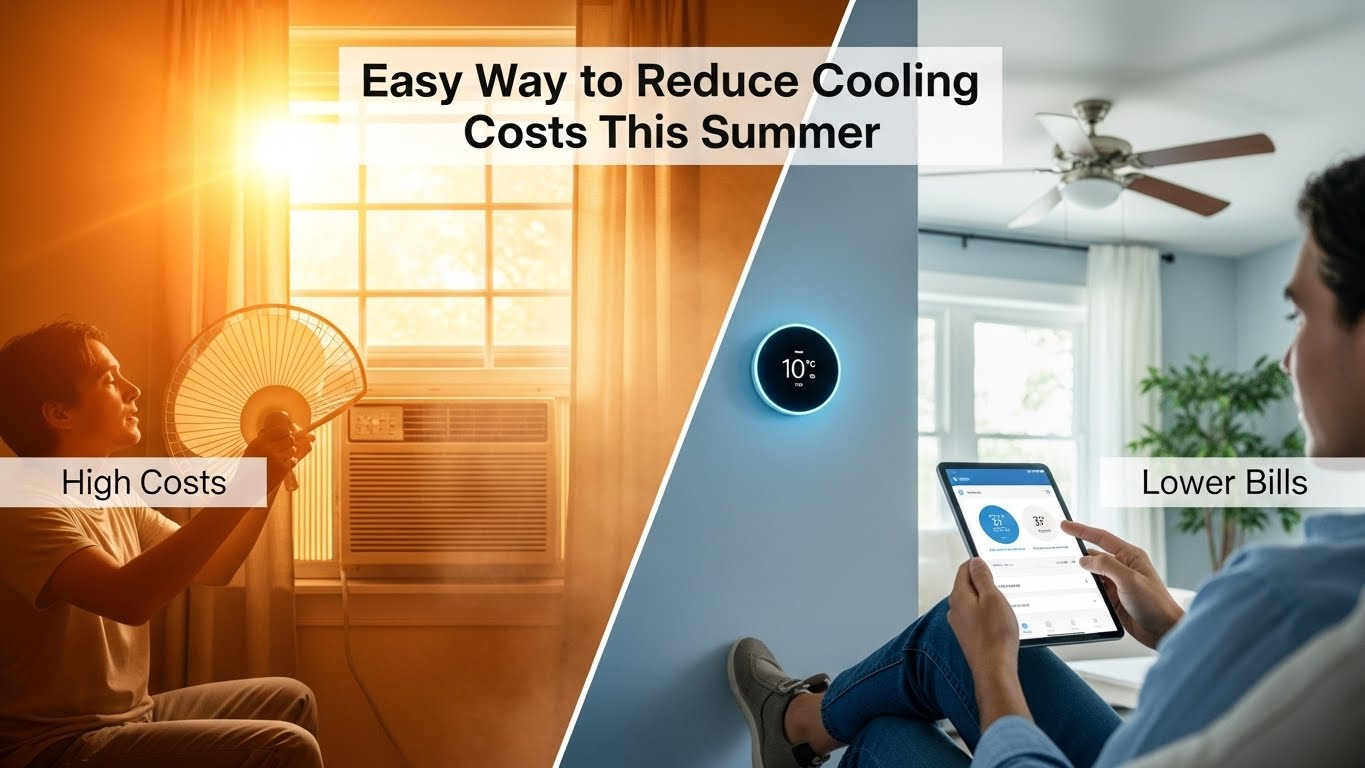
Summer is a wonderful time for vacations and outdoor activities, but it also brings higher energy bills due to increased air conditioning use. Many homeowners search for a way to reduce these cooling costs. This article offers practical, energy-saving tips to help you lower your summer cooling costs and keep your home cool without breaking the bank.
Understanding Your Air Conditioning System
Understanding your air conditioning system is the first step in finding ways to reduce cooling costs this summer. Knowing how your AC unit works, the types of systems available, and the importance of regular maintenance can significantly impact your energy bill and overall comfort. Addressing these factors will help you save energy and money this summer.
How Air Conditioning Units Work
Air conditioning units work by circulating refrigerant, which absorbs heat from inside your home and releases it outside. The AC system uses a compressor, condenser, expansion valve, and evaporator to cool air. Understanding this process can help you appreciate the importance of maintaining your AC unit and finding energy-saving tips to reduce cooling costs this summer. A well-functioning system uses less energy.
Types of Air Conditioning Systems
Here are several types of air conditioning systems, each designed to cater to different needs and home layouts. Some common examples include:
- Central air conditioning systems, which cool an entire house through a network of ducts.
- Ductless mini-split systems, which offer zone cooling, allowing you to cool only the rooms you use.
Window units are also available and suitable for single rooms. Knowing the type of system you have can guide your efforts to reduce cooling costs this summer.
Importance of Regular Maintenance
Regular maintenance is crucial for the efficiency and longevity of your air conditioning system. Changing the air filter regularly ensures proper airflow and prevents the system from overworking. Schedule annual check-ups with a professional to inspect and clean the unit, ensuring it operates efficiently. Proper maintenance helps you save energy and money while keeping your home cool during the hot summer months and reduce summer energy bills.
Setting Your Thermostat for Savings
Setting your thermostat correctly is one of the most straightforward ways to reduce cooling costs this summer. Adjusting your thermostat settings to optimise energy efficiency can lead to significant savings on your energy bill. Understanding the ideal settings and utilising programmable or smart thermostats can further enhance your energy savings and keep your home cool.
Optimal Thermostat Settings
According to the Department of Energy, the optimal thermostat setting for energy efficiency is 78°F (26°C) when you’re home and higher when you’re away . Setting your thermostat to a higher temperature while you’re out can significantly reduce your energy use and lower cooling costs this summer. This simple adjustment can make a noticeable difference in your cooling bill and overall summer energy bills.
Programmable Thermostats and Their Benefits
Programmable thermostats allow you to set different temperatures for various times of the day, ensuring you only cool your home when needed. This feature is especially useful for those with consistent daily schedules. By programming your thermostat, you can automatically reduce cooling costs this summer without sacrificing comfort and saving energy and money. They offer a convenient way to manage your energy use.
Using Smart Thermostats for Efficiency
Smart thermostats offer advanced features like remote control via smartphone and learning capabilities that adapt to your cooling preferences. These devices can automatically adjust temperatures based on your habits and even detect when you’re away to save energy. Investing in a smart thermostat is a smart way to reduce your cooling costs this summer and increase energy efficiency in your home.
Energy-Saving Tips for Summer Cooling
Utilizing Ceiling Fans Effectively
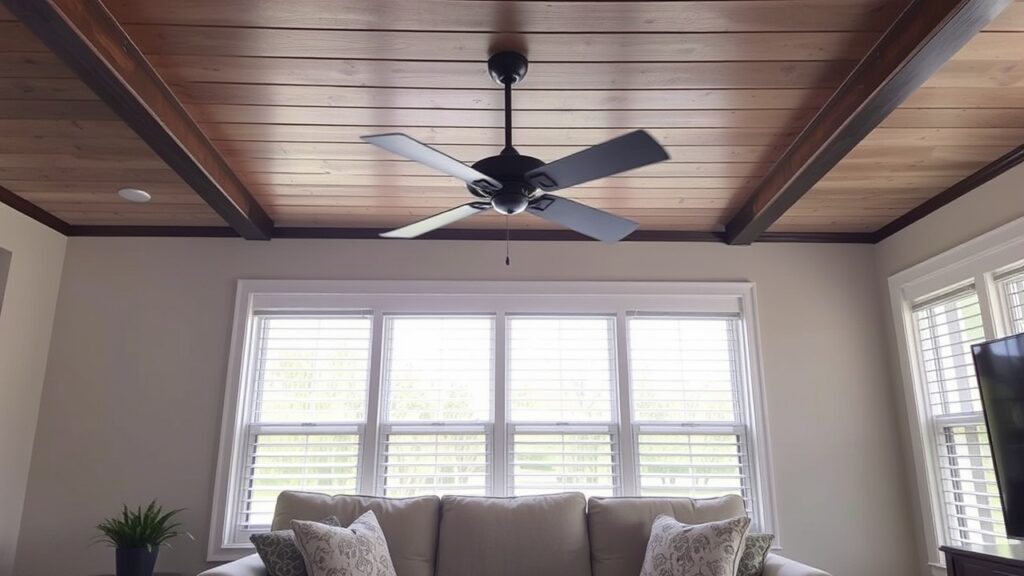
Ceiling fans are an excellent way to supplement your air conditioning system and distribute cool air more efficiently. By circulating the air, ceiling fans can create a breeze that makes a room feel cooler, allowing you to raise your thermostat by a few degrees without sacrificing comfort and help you save. Using ceiling fans in conjunction with your AC unit can significantly reduce cooling costs this summer and help keep your home cool during the hot summer months.
Strategies for Using the Oven Wisely
Using the oven can significantly increase the temperature inside your home, making your air conditioner work harder to maintain a comfortable environment. To reduce cooling costs this summer, try to limit your oven use during the hottest part of the day. Opt for cooking methods that generate less heat, such as grilling outdoors or using a slow cooker. These simple changes can help you save energy and money.
Insulation and Sealing Gaps
Proper insulation and sealing air leaks are crucial for maintaining a consistent temperature inside your home and ways to reduce cooling costs. Insulation helps prevent heat from entering your home during the summer and escaping during the winter. Sealing gaps around windows, doors, and other openings prevents hot air from seeping in, reducing the load on your air conditioner. Addressing these issues can significantly reduce cooling costs this summer and lower your summer energy bills.
Alternative Cooling Methods
Benefits of Natural Ventilation
Natural ventilation is a cost-effective way to cool your home without relying solely on your air conditioning. Opening windows and doors during cooler parts of the day allows fresh air to circulate, reducing the need for air conditioning. To maximize the benefits of natural ventilation, open windows on opposite sides of your house to create a cross breeze. This can help keep your home cool and reduce your cooling costs this summer and help you save energy.
How to Use Shade to Lower Cooling Costs
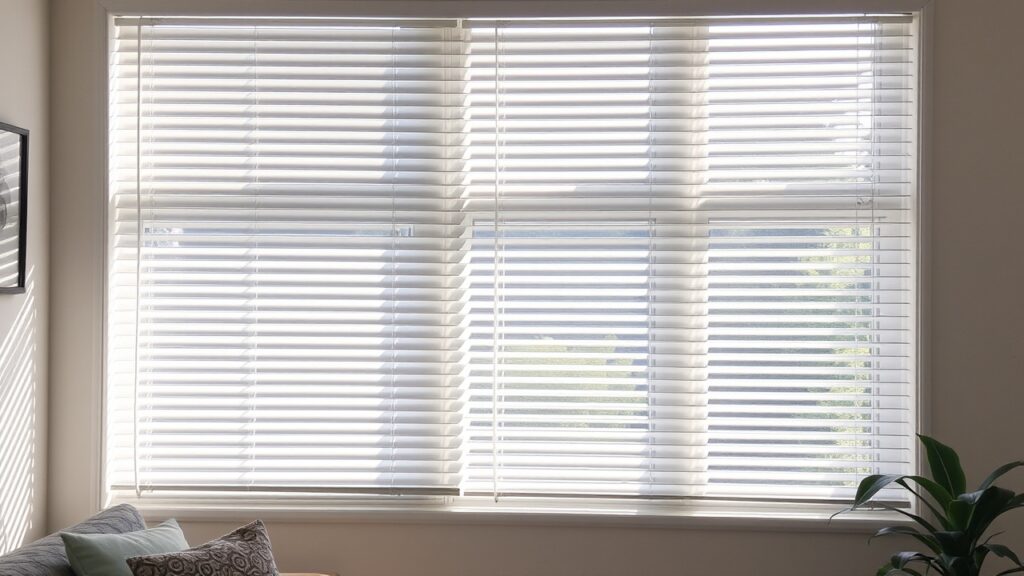
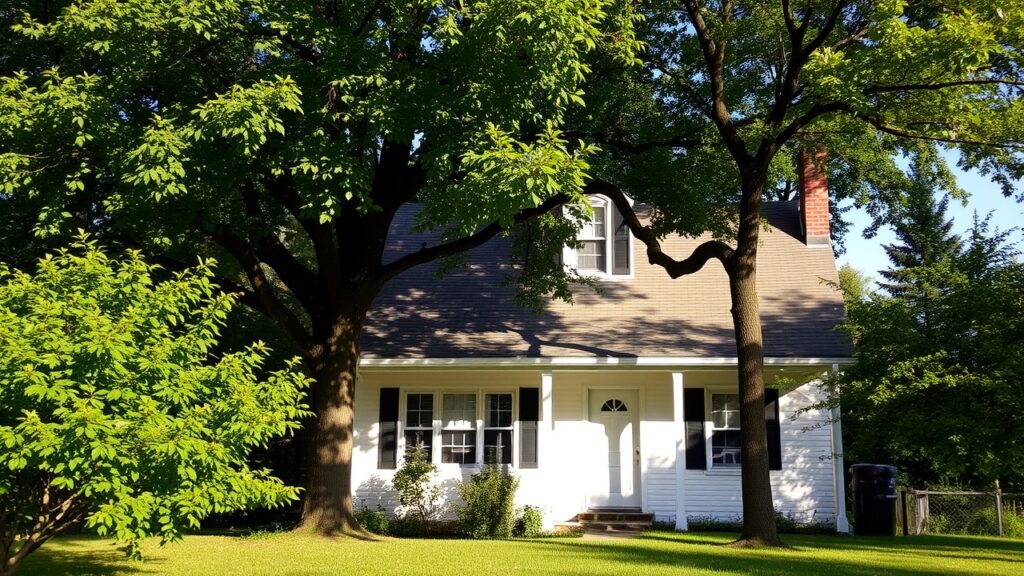
Shade is a simple yet effective way to reduce the amount of solar heat that enters your home. Planting trees or installing awnings can block sunlight from reaching your windows, reducing the amount of heat absorbed by your home and reduce summer. Consider using curtains or blinds to block sunlight during the hottest part of the day. By using shade effectively, you can significantly reduce cooling costs this summer and keep your home cool.
Exploring Evaporative Coolers
Evaporative coolers, also known as swamp coolers, are an energy-efficient alternative to traditional air conditioning in dry climates. These coolers work by evaporating water, which cools the air. Evaporative coolers use significantly less energy than air conditioners, making them an excellent option for those looking to reduce cooling costs this summer. However, they are most effective in areas with low humidity.
Calculating Your Cooling Costs
Understanding Energy Bills and AC Usage
To effectively manage and reduce cooling costs this summer, it’s important to understand your energy bill. The energy bill breaks down your energy use, showing how much electricity your air conditioner consumes. By monitoring your energy usage during the summer months, you can identify trends and make informed decisions on ways to reduce your consumption. Look for patterns that show increased energy costs and adjust your cooling habits accordingly.
Tools for Monitoring Energy Consumption
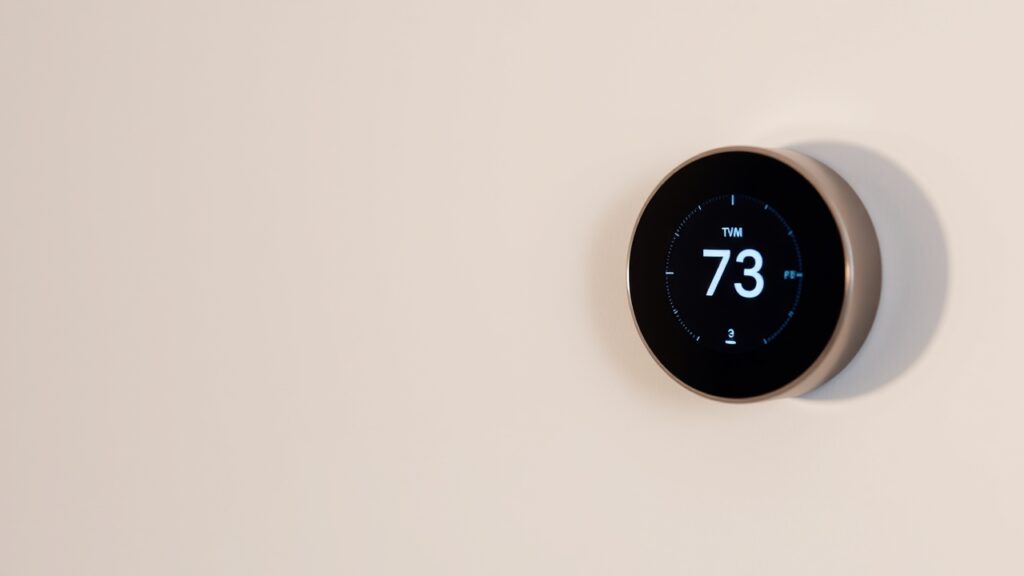
Various tools are available to help you monitor your energy consumption and provide energy-saving insights. Energy Star provides resources and tools to track your energy use. Smart home devices and programmable thermostats can also provide detailed reports on your energy use and help you identify areas where you can reduce cooling costs this summer. These tools offer valuable data to help you save energy and lower cooling bill.
Estimation of Summer Cooling Costs
Estimating your summer cooling costs involves considering factors like your air conditioner’s efficiency, your home’s insulation, and local energy rates. You can use online calculators provided by the Department of Energy to estimate your potential cooling costs this summer based on these variables. By understanding these factors, you can better plan your budget and find ways to reduce cooling costs this summer. Knowing estimated costs is crucial for implementing effective energy-saving strategies.
FAQs on Reducing Cooling Costs
What temperature should I set my thermostat in summer?
The Department of Energy recommends setting your thermostat to 78°F (26°C) when you’re home to reduce your cooling costs this summer and higher when you’re away. This helps you save energy while maintaining reasonable comfort.
How can I improve my AC system’s efficiency?
To improve your AC system’s efficiency, ensure regular maintenance such as changing the air filter, and consider upgrading to an Energy Star certified unit. These steps help your AC system consume less energy, which helps you save energy and money this summer.
Are ceiling fans effective in reducing cooling costs?
Yes, ceiling fans can make a room feel cooler, allowing you to raise your thermostat by a few degrees without sacrificing comfort. They circulate cool air and help reduce your cooling costs this summer and supplement your air conditioning.