
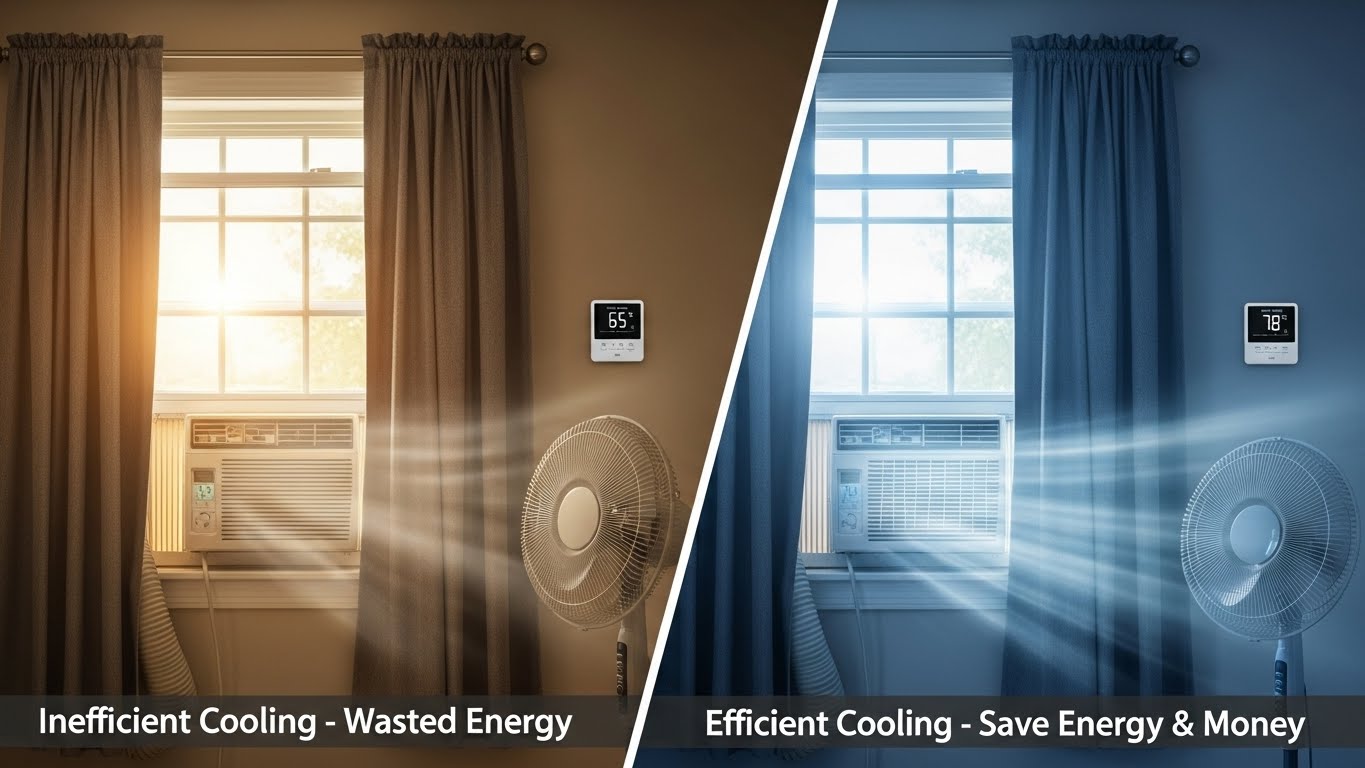
As summer heat intensifies, finding an easy way to cool your home becomes essential. This guide explores simple yet effective strategies to enhance your air conditioning efficiency and create a cooling environment. By understanding how to optimize your existing cooling system and implement natural cooling techniques, you can stay cool, reduce your energy bill, and enjoy a more comfortable home environment.
Understanding Air Conditioning Efficiency
What is Air Conditioning Efficiency?
Air conditioning efficiency refers to how effectively your AC unit converts electrical energy into cool air. A more efficient air conditioner uses less energy to produce the same amount of cooling, which results in lower energy use and reduced energy bills. System efficiency is often measured by metrics like the Seasonal Energy Efficiency Ratio (SEER).
Factors Affecting AC Performance
Several factors can impact the performance of your air conditioner. These include the age of the AC unit, the cleanliness of the air filter, proper insulation, and the presence of air leaks around windows and doors. Regularly maintaining your cooling system and addressing these factors are crucial for maximizing air conditioning efficiency and keeping cool.
Benefits of High Energy Efficiency Ratings
Choosing an air conditioner with high energy efficiency ratings, such as an ENERGY STAR certified model, can provide numerous benefits. These benefits can include:
- Lower energy bills due to reduced energy consumption.
- Improved comfort with more consistent temperatures.
- A smaller environmental footprint.
Investing in energy efficiency is a smart way to cool your home and save money.
Creating a Cooling Environment
Using Ceiling Fans to Enhance Cooling
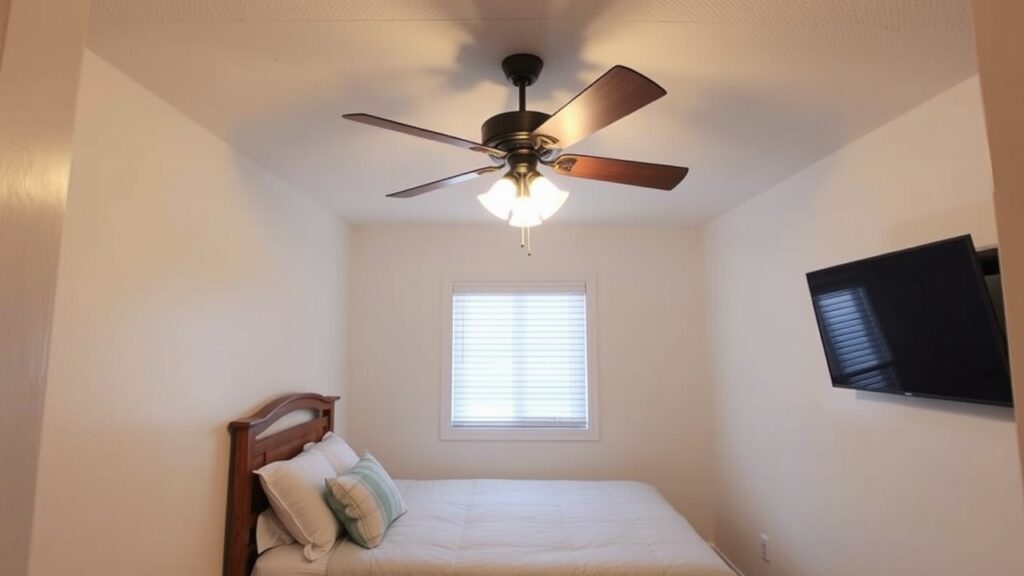
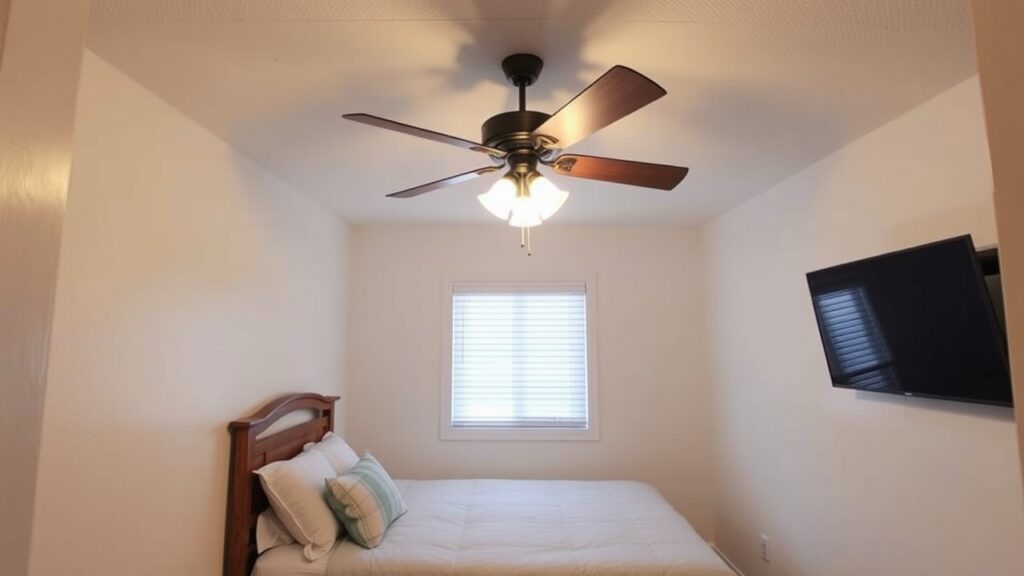
Ceiling fans can significantly enhance cooling by circulating cool air throughout the room. Using ceiling fans in conjunction with your AC unit allows you to set the thermostat higher while still maintaining a comfortable temperature, reducing your energy use and helping you keep your house cool. They help distribute cooler air more evenly.
How to Cool Down a Room Naturally
Here are several natural ways to cool down a room without just using air conditioning. You can try several options such as:
- Opening windows during cooler parts of the day to air out your home and let cooler air come in.
- Using fans to circulate airflow.
- Minimizing heat-generating activities during the hottest hours.
These strategies can help you stay cool and save energy.
Effective Use of Curtains and Blinds
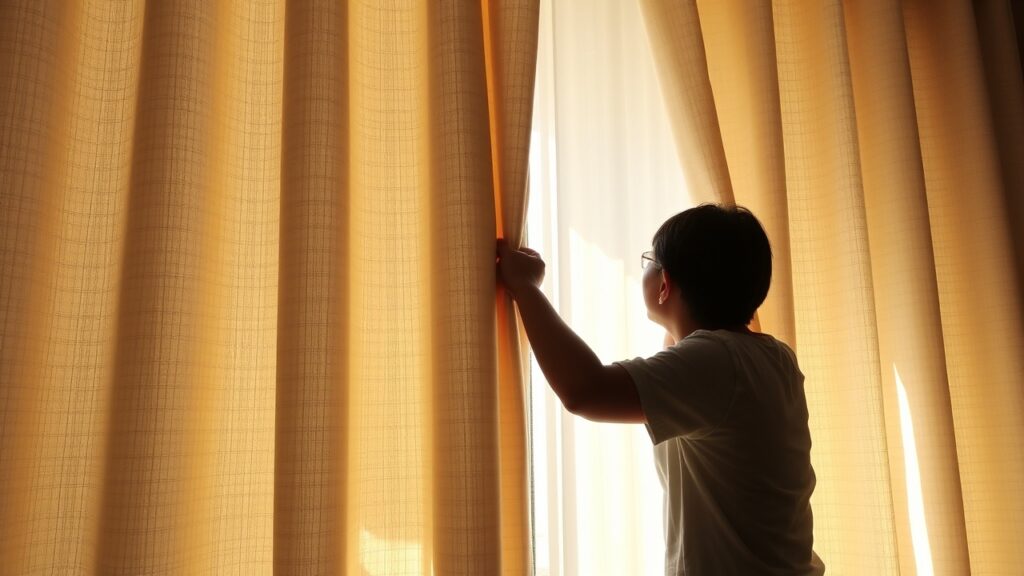
Curtains and blinds are simple yet effective tools for managing summer heat and maintaining a comfortable indoor temperature. By closing blinds and curtains during the hottest part of the day, you can block direct sunlight and prevent warm air from entering your home. This helps keep your home cool without AC and reduce the strain on your air conditioner. According to the U.S. Department of Energy, carefully managing window treatments can significantly impact home energy. U.S. Department of Energy
Improving Home Energy Efficiency
Sealing Doors and Windows
One of the most effective ways to improve your home energy efficiency is by sealing doors and windows. Air leaks around these openings allow warm air to enter during hot summer days, forcing your air conditioner to work harder and waste energy. By caulking and weatherstripping, you can block these air leaks, maintain your desired indoor temperature, improve your air conditioning efficiency, and keep your home cool.
Upgrading Your Air Filter
Upgrading your air filter is a simple yet crucial step in maintaining your cooling system’s efficiency. A dirty air filter restricts airflow, causing your AC unit to work harder and consume more energy. Regularly replacing your air filter ensures proper airflow, improves air conditioning efficiency, and helps keep your home cool while lowering your energy bill. This small change can significantly improve your home energy.
Energy Star Appliances: A Wise Choice
When it’s time to replace old appliances, consider Energy Star appliances for optimal energy efficiency. These appliances are designed to use less energy than standard models, which can result in significant savings on your energy bill. Choosing Energy Star certified air conditioners or heat pumps can help you maintain a comfortable indoor environment, reduce energy use, and stay cool in the summer without unnecessary energy consumption.
Tips to Keep Your House Cool Without AC
Using Evaporative Coolers
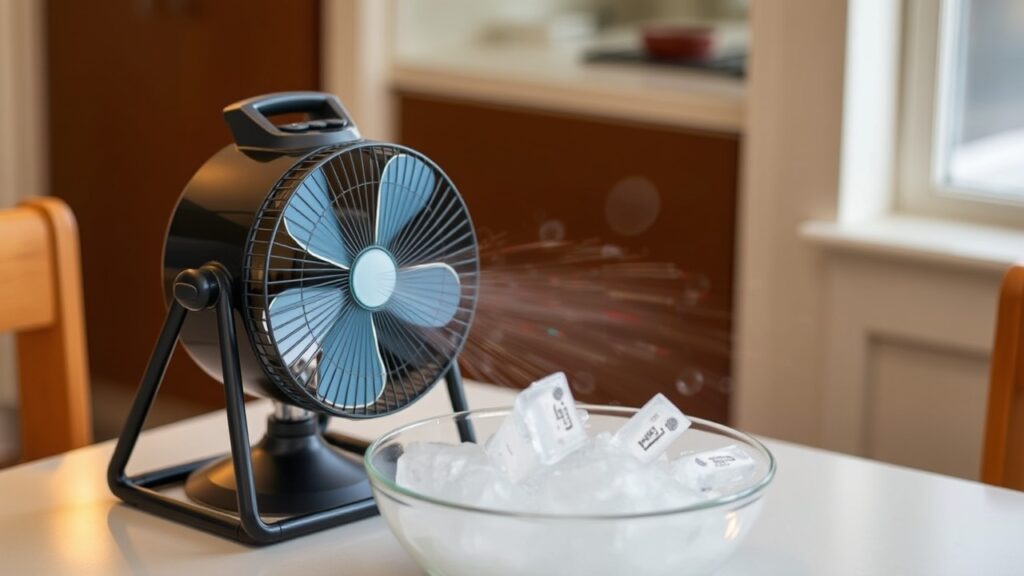
Evaporative coolers, also known as swamp coolers, provide an alternative way to cool a room without relying solely on air conditioning. These devices work by evaporating water, which absorbs heat from the air, creating a cooling effect. Evaporative coolers are particularly effective in dry climates, offering an energy-efficient solution to keep your home cool without AC and reduce your energy bill during hot summer days.
Creating Cross-Ventilation
Creating cross-ventilation is a natural strategy to cool down a room and maintain a comfortable indoor environment without air conditioning. By opening windows and doors on opposite sides of your home, you can encourage airflow and allow cool air to circulate freely. This helps to flush out warm air and bring in cooler air, making your home cool and reducing the need for air conditioning.
Utilizing Outdoor Shade
Outdoor shade can significantly impact your home energy and indoor temperature. Planting trees or installing awnings can block direct sunlight from entering your home through windows, reducing the amount of heat absorbed. By utilizing outdoor shade, you can keep your home cool, reduce the strain on your air conditioning system, lower your energy use, and maintain air conditioning efficiency.
Advanced Techniques for Cooling
Smart Thermostats and Their Benefits
Smart thermostats can significantly enhance your air conditioning efficiency and help you to keep your home cool. These devices learn your cooling preferences and adjust the temperature accordingly, optimizing energy use and reducing your energy bill. By programming your thermostat to automatically adjust when you’re away, you can avoid wasting energy cooling an empty home. Smart thermostats provide a simple way to cool while maximizing energy savings.
Regular Maintenance for Optimal Performance
Regular maintenance is essential for ensuring optimal performance and air conditioning efficiency. Schedule routine check-ups with a qualified HVAC technician to inspect and clean your AC unit. This includes cleaning the coils, checking refrigerant levels, and inspecting the electrical components. Proper maintenance prevents issues, prolongs the lifespan of your cooling system, and helps you to keep your house cool without unnecessary energy consumption.
Investing in Efficient Cooling Equipment
Investing in efficient cooling equipment is a long-term strategy to improve air conditioning efficiency and keep cool during hot summer days. When it’s time to replace your old AC unit, consider upgrading to a high-efficiency model with a high SEER rating or an Energy Star certified heat pump. Although the initial investment may be higher, the long-term savings on your energy bill and improved comfort will be well worth it and create a cooling environment.
Frequently Asked Questions
How can I cool down a room quickly?
To cool down a room quickly, use a combination of strategies such as closing blinds to block sunlight, using fans to circulate cooler air, and ensuring proper ventilation. You can also use a portable AC unit for spot cooling. By combining these techniques, you can rapidly lower the temperature in a hot room.
What are the benefits of improving air conditioning efficiency?
Here’s how improving your air conditioning efficiency can benefit you:
- Lower energy bills
- Reduced energy use
- Improved home energy
- A smaller environmental footprint
An efficient cooling system helps you stay cool and maintain a comfortable indoor environment without wasting energy.
Can I keep my home cool without air conditioning?
Yes, you can keep your home cool without air conditioning by implementing natural cooling techniques. This includes using fans, opening windows for cross-ventilation, utilizing outdoor shade, and using evaporative coolers. These methods can help you maintain a comfortable temperature and keep your home cool without AC.