
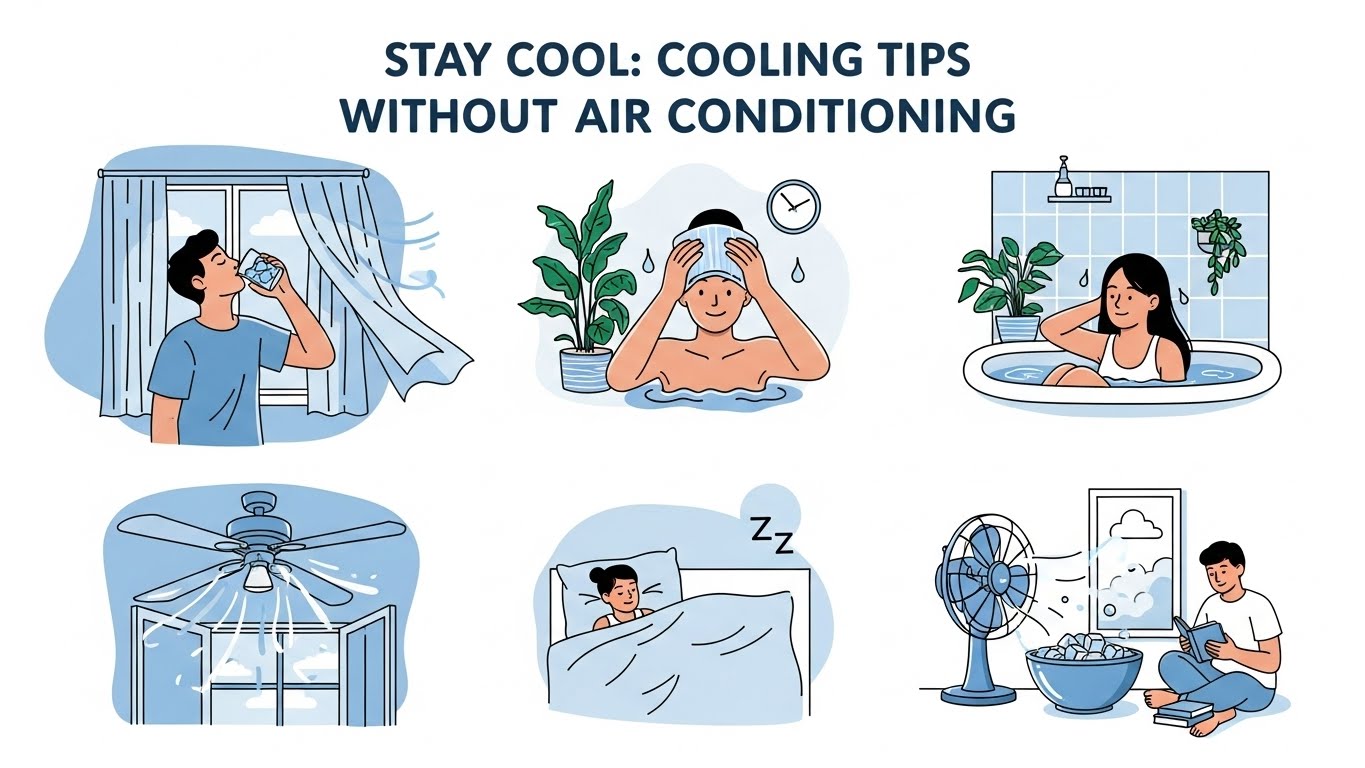
Discover effective and eco-friendly strategies to stay cool and comfortable even without air conditioning. Beat the summer heat and learn how to keep your house cool using simple, innovative techniques. Whether you’re looking to save energy or simply prefer a natural approach, these tips will help you stay cool all summer long.
Understanding the Need to Stay Cool Without Air Conditioning
The Impact of Heat on Comfort and Health
Excessive heat can significantly impact both comfort and health, leading to discomfort, fatigue, and even serious conditions like heat stroke. Managing body temperature is crucial, especially during the hottest months, and finding effective ways to stay cool becomes essential for well-being. High temperatures impact productivity and overall quality of life.
Benefits of Staying Cool Without AC
Choosing to stay cool without air conditioning offers numerous benefits. It reduces energy consumption, lowers electricity bills, and minimizes your carbon footprint. Additionally, relying on natural methods promotes better air circulation and avoids the dry, stale air often associated with air conditioning. You can cool without AC and still stay comfortable.
Environmental Considerations of Air Conditioning
Air conditioning units consume a significant amount of energy, contributing to greenhouse gas emissions and climate change. By exploring alternatives to air conditioning, such as methods to cool without air conditioning, individuals can make a positive impact on the environment and promote a more sustainable lifestyle. Reducing air conditioner usage also helps conserve resources.
Effective Hacks to Keep Your House Cool

Using Curtains and Drapes to Block the Sun
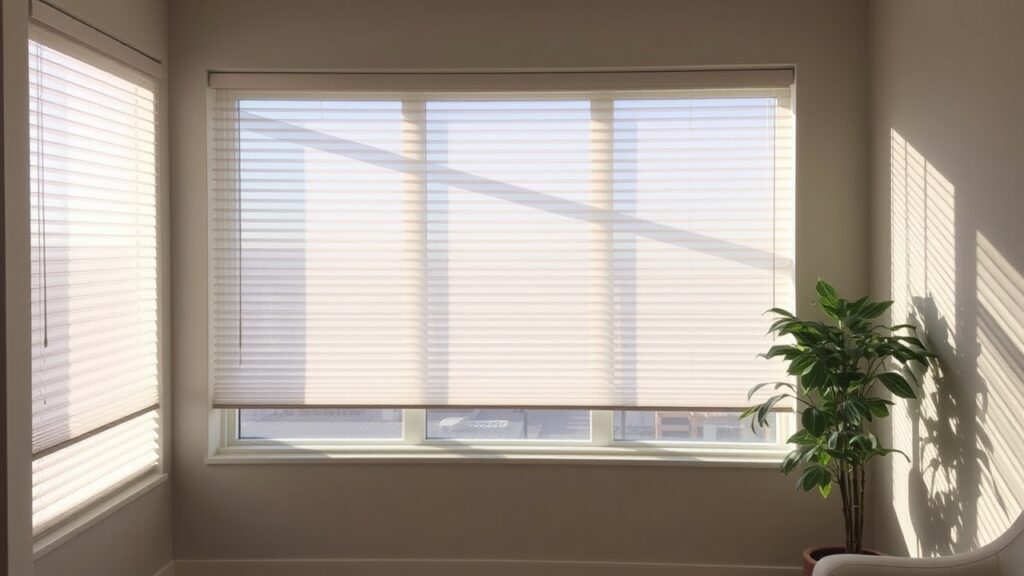
One of the simplest yet most effective hacks to keep your house cool without an air conditioner is to use curtains and drapes. Closing these during the day can block direct sunlight and prevent warm air from entering your home, helping to maintain a cooler air temperature inside. Blinds are also helpful in reflecting heat.
Strategically Placing Fans for Optimal Airflow
Strategic placement of fans can significantly improve airflow and create a cooling effect. A box fan placed in a window can either exhaust hot air out or draw cool air from outside in, depending on the direction it faces. Experiment with different positions to find the optimal air flow for each room without an air conditioner.
Creating a Cross-Breeze for Natural Cooling
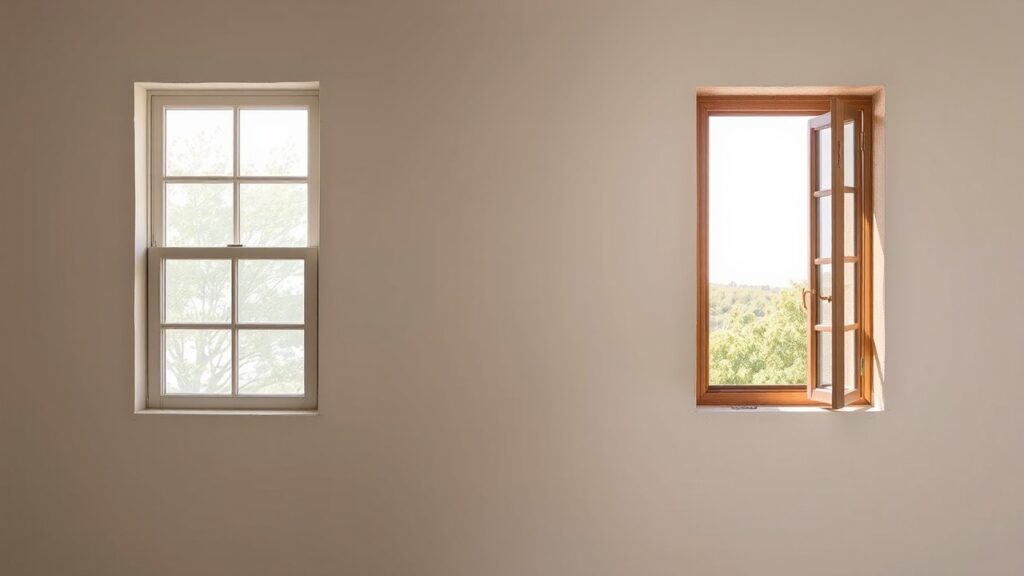
Creating a cross-breeze is a natural and effective way to cool a room without an air conditioner. By opening windows on opposite sides of your house, you can encourage air circulation and allow cool air to flow through, pushing out the hot air. This method works best during cooler parts of the day.
Innovative Cooling Methods Without an AC
Utilizing Damp Sheets for Temperature Regulation
Using damp sheets is an age-old hack to stay cool without an AC, especially when the summer heat is relentless. Simply dampen a sheet or a large towel with cool water, and then use it as a blanket. As the moisture evaporates, it creates a cooling effect, lowering your body temperature. For an extra cool sensation, consider placing the damp sheet in the freezer for a short period before using it.
Hot Water Bottle Hacks for Cooling Relief
While typically associated with warmth, a hot water bottle can also be a fantastic tool to cool without air conditioning. Fill the bottle with cool water or ice pack, wrap it in a towel to avoid direct contact with your skin, and place it on pulse points like your wrists, neck, or feet. This hack helps to regulate your body temperature and help you stay cool by targeting key areas.
DIY Cooling Systems and Their Effectiveness
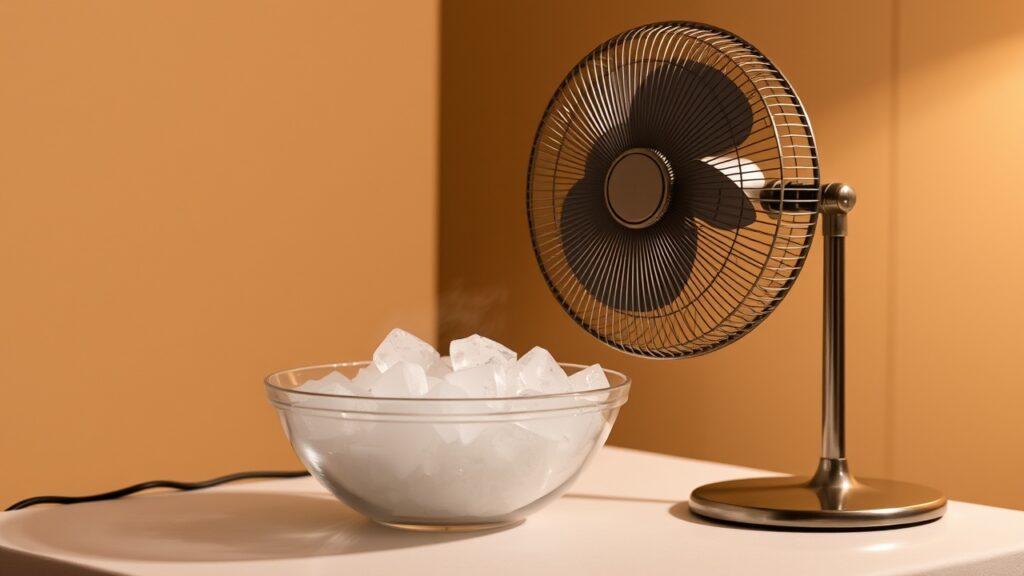
Creating a DIY cooling system can be surprisingly effective in a room without an air conditioner. One popular method involves placing a bowl of ice in front of a box fan. As the box fan blows air across the ice, it circulates cooler air throughout the room. This makeshift air conditioner can significantly reduce the heat and help you stay cool during the summer heat.
Maintaining a Comfortable Environment in Your Room Without AC
Choosing the Right Bedding for Hot Nights
The type of bedding you choose can significantly impact how cool you stay at night without an AC. Opt for lightweight, breathable fabrics like cotton or linen to promote air circulation and wick away moisture. Avoid synthetic materials that can trap heat and make you feel warmer. Also, consider using a thinner blanket or simply a top sheet to keep cool.
Optimal Timing for Ventilation and Airflow
Timing is crucial when it comes to ventilation and airflow. Open windows during the cooler parts of the day, such as early morning or late evening, to let cool air from outside in. Close the windows and curtains or blinds during the hottest hours to block direct sunlight and warm air. Strategically managing ventilation can greatly improve how the room feels, even without an air conditioner.
Using Indoor Plants for Natural Cooling Effects
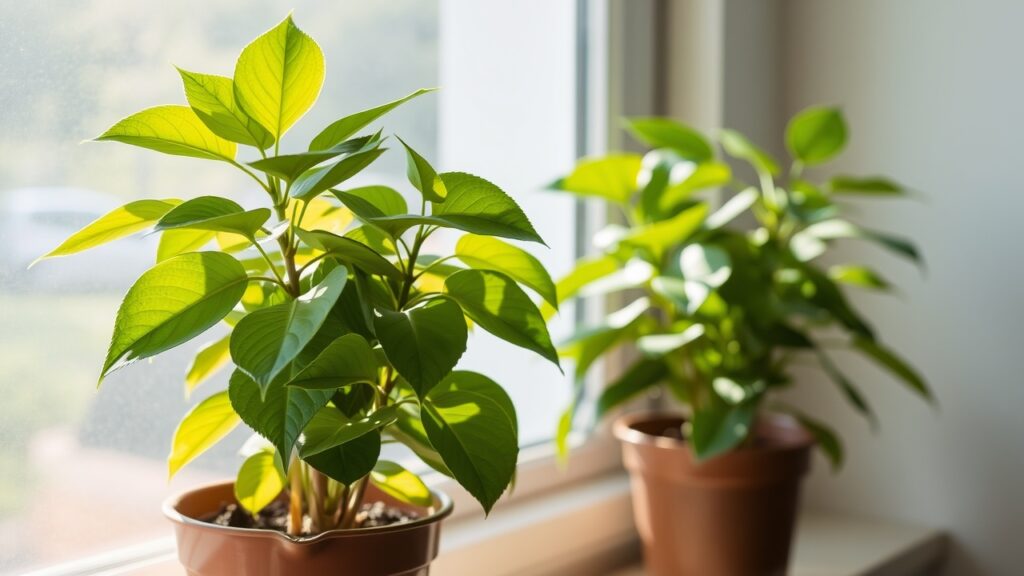
Indoor plants not only add aesthetic appeal but also contribute to a cooler environment. Plants absorb heat and release moisture through transpiration, a process that can cool the air naturally. Placing several plants in your room can create a more comfortable and refreshing atmosphere, providing a subtle yet effective cooling effect without the need for air conditioning. According to a study published in Environmental Science & Technology, indoor plants can significantly improve air quality and reduce indoor temperatures. Learn more about indoor air quality here.
Long-Term Strategies to Keep Your House Cool
Insulation Improvements for Heat Resistance
Improving your home’s insulation is a long-term strategy that significantly enhances heat resistance and helps keep your house cool without air conditioning. Proper insulation in walls, attics, and basements minimizes heat transfer from the outside, maintaining a more consistent and comfortable temperature inside. This is particularly effective at battling the summer heat and reducing the need to cool without ac. Consider materials like fiberglass, cellulose, or spray foam for optimal results. Effective insulation contributes to better energy efficiency and a consistently cooler environment.
Landscaping for Shade and Coolness
Strategic landscaping can provide natural shade and promote a cooling effect around your property, helping to keep your house cool. Planting trees and shrubs around your home can block direct sunlight and reduce the amount of heat absorbed by walls and roofs. Deciduous trees are particularly effective, as they provide shade in the summer heat and allow sunlight in during the winter months. Well-placed vegetation not only enhances the aesthetic appeal of your home but also contributes to a cooler microclimate around your house without the need for air conditioning.
Energy-Efficient Appliances and Their Role
Investing in energy-efficient appliances can play a crucial role in maintaining a cooler environment within your house without air conditioning. Appliances with high Energy Star ratings consume less energy and generate less heat, thereby helping to regulate the temperature indoors. Replace old, inefficient refrigerators, ovens, and washing machines with newer models designed to minimize heat output. This not only reduces your energy bills but also contributes to a more comfortable and sustainable living space. Choosing energy-efficient appliances is a practical step toward reducing your reliance on air conditioning and staying cool without ac.
Frequently Asked Questions About Staying Cool Without Air Conditioning
What are the best ways to stay cool without AC?
Here are some of the best ways to stay cool without air conditioning. These methods primarily focus on managing heat and improving airflow:
- Using curtains and blinds to block sunlight.
- Strategically placing fans to improve airflow.
- Creating cross-breezes by opening windows.
Additionally, utilizing damp sheets for a cooling effect and staying hydrated can also help.
How can curtains help in keeping a house cool?
Curtains and blinds can help in keeping your house cool by blocking direct sunlight, which prevents warm air from entering your home and helps maintain a cooler temperature inside. Blackout curtains are particularly effective at blocking heat.
Are there any health risks associated with excessive heat?
Yes, excessive heat can lead to health risks such as heat exhaustion, heat stroke, dehydration, and increased strain on the cardiovascular system. It is important to stay cool and hydrated to avoid these risks during periods of high temperatures.