
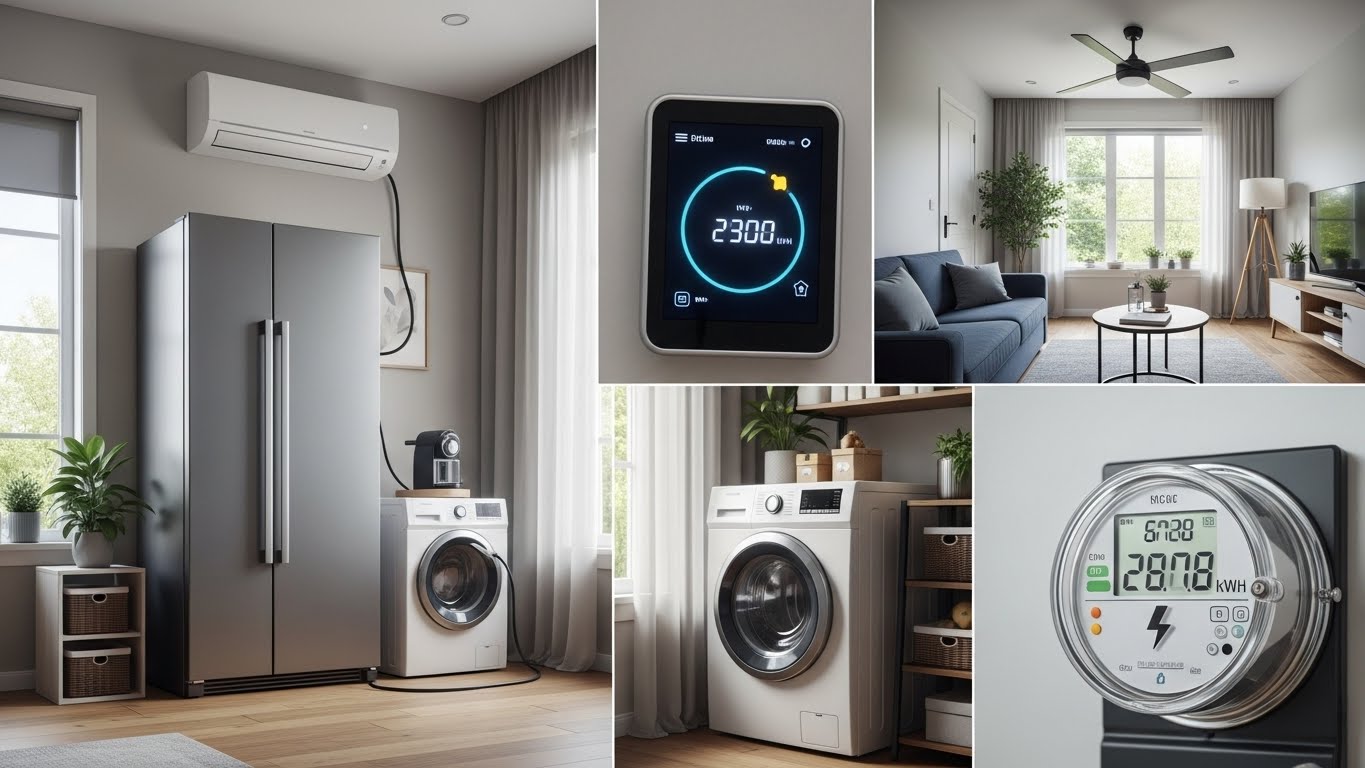
Understanding how much electricity your home appliances consume is crucial for managing your energy bill and reducing your overall energy consumption. This article delves into the specifics of appliance energy use, helping you understand your energy usage and identify opportunities to save energy.
Overview of Energy Consumption
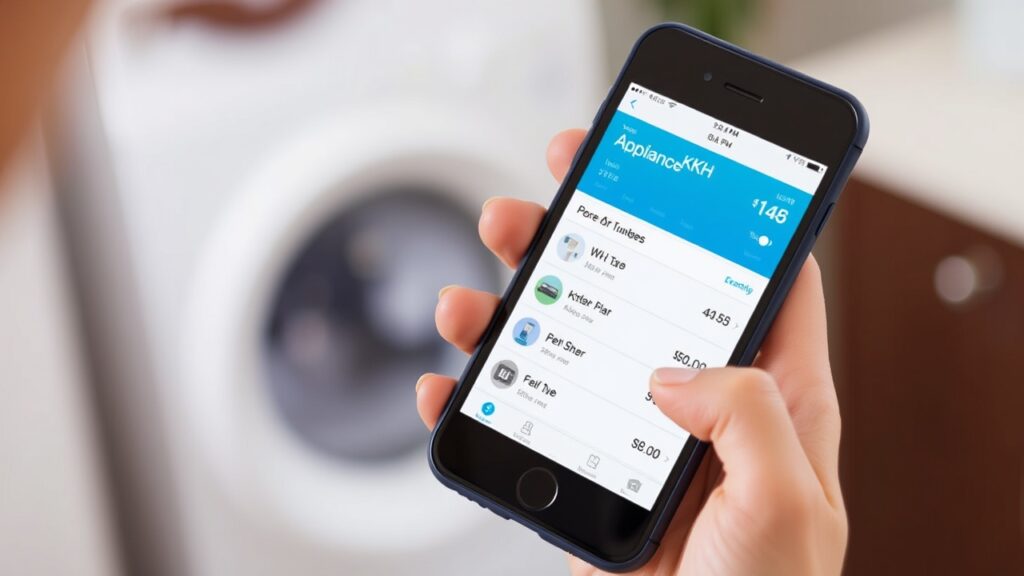
What is kWh and Why is it Important?
kWh, or kilowatt-hours, is the standard unit for measuring electricity use. It represents the amount of energy consumed by an appliance using 1 kilowatt of power for 1 hour. Understanding kWh is essential because your energy bill is calculated based on your kilowatt-hours usage. By monitoring your kWh per month, you can gain insights into which appliances use the most electricity and identify ways to reduce your energy costs. The Department of Energy provides resources to help consumers understand kWh and energy efficiency.
Understanding Household Energy Usage
Understanding household energy usage involves recognizing how much energy different appliances use. The average household’s electricity consumption varies depending on several factors, but a significant portion comes from heating and cooling, water heating, and kitchen appliances. By analysing your usage patterns, you can determine if your kWh usage is higher or lower than the average home. Monitoring electricity use and implementing energy-efficient practices can lead to substantial savings on your annual energy use.
Factors Influencing Energy Consumption
Several factors influence energy consumption in a home. Home size plays a significant role, as larger homes generally require more energy for heating, cooling, and lighting. The types of appliances you use also matter; older, less energy-efficient appliances consume more electricity than Energy Star models. Furthermore, your habits, such as how often you use air conditioning or how well you insulate your home, can significantly impact your kWh per day. Understanding these factors is key to controlling your energy bill and promoting energy efficiency.
Appliance Energy Use
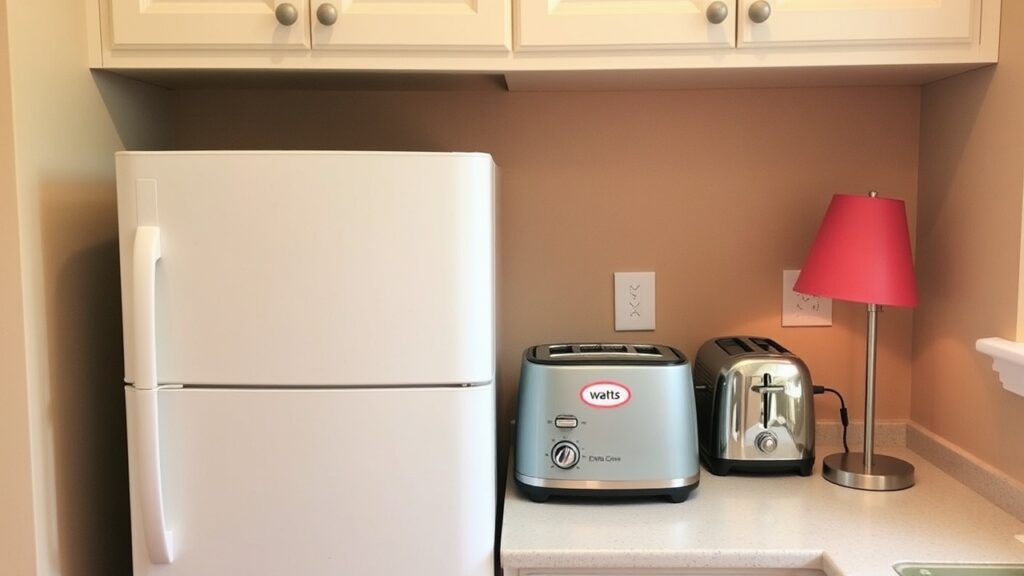
Common Household Appliances and Their kWh Usage
Different home appliances consume varying amounts of energy, impacting your overall electricity use and influencing your energy bill. For instance, refrigerators, especially older models, run continuously and are among the most significant energy consumers. Similarly, kitchen appliances like ovens and dishwashers consume a substantial amount of electricity when in use. Understanding the energy usage of common home appliances is the first step towards managing your energy consumption and potentially saving money through more efficient habits or replacing older appliances with energy-efficient appliances.
How Many kWh Per Day is Normal?
Determining how many kWh per day is normal depends on several factors, including home size, the types of appliances you have, and your usage patterns. The average household may use around 30 kWh per day, but this can vary widely. Factors such as heating and cooling needs, the efficiency of your water heater, and how much you use appliances like air conditioning all play a role. Monitoring your kWh per day can help you compare your electricity consumption to the average home and identify ways to conserve energy.
Appliances that Use the Most Electricity
Identifying appliances that use the most electricity is crucial for reducing your energy costs. Heating and cooling systems, such as air conditioning units and electric heaters, often top the list due to their high power consumption and frequent use. Water heating is another major consumer, especially if you have an older, less efficient model. In the kitchen, ovens, stoves, and clothes dryers also contribute significantly to your total energy usage. By focusing on these energy-intensive appliances, you can make targeted efforts to save energy.
Calculating Your Home’s Energy Usage
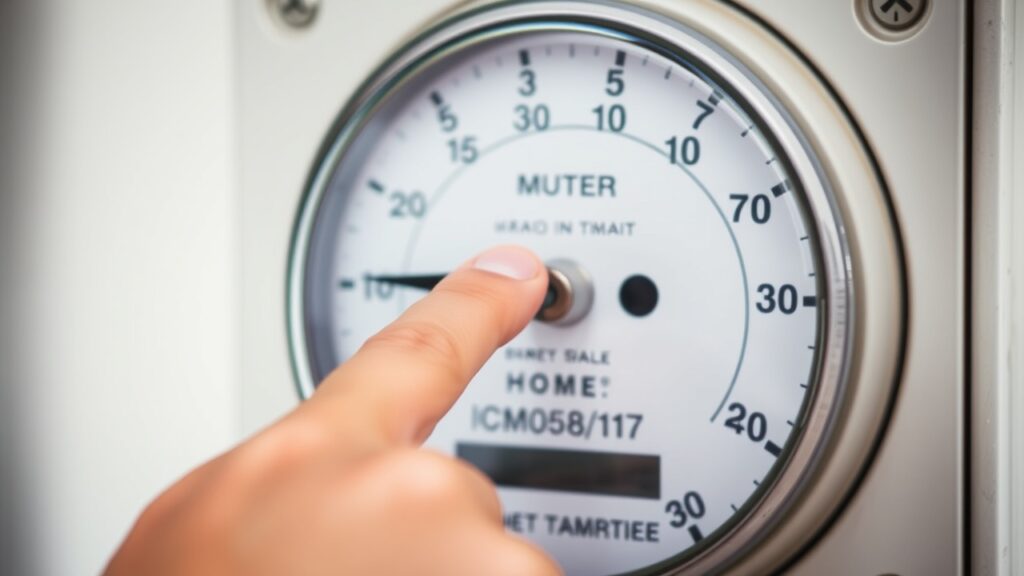
How to Measure Appliance Energy Consumption
To accurately assess appliance energy consumption, you can use a few methods. One way is to check the energy guide label on the appliance, which provides an estimate of annual energy use in kWh. Another approach is to use a Kill-A-Watt meter, which plugs into an outlet and measures the actual electricity use of the appliance. By measuring the amount of energy individual appliances use, you can identify which ones are contributing most to your electricity bill and make informed decisions about reducing your energy consumption.
Understanding Average kWh and Annual Electricity Costs
Understanding average kWh and annual electricity costs is vital for budgeting and managing your home energy expenses. Your electricity bill typically shows your kWh usage per month, allowing you to track your energy consumption patterns. Compare your kWh usage to the average home in your region to gauge whether you’re using more or less energy than your neighbors. Also, knowing the average electricity costs in your area helps you estimate your annual energy costs and identify potential savings opportunities, especially with energy efficient appliances.
Using Energy Monitors for Accurate Measurement
Energy monitors are valuable tools for gaining precise insights into your home’s energy usage. These devices track electricity use in real-time, providing detailed data on which appliances consume the most electricity and when. Some energy monitors can even break down energy consumption by individual appliance. By using energy monitors, you can pinpoint areas where you can reduce your energy consumption, adjust your usage patterns, or invest in more energy-efficient appliances to save energy and lower your energy bill. More information about energy monitoring can be found on the Department of Energy’s website. Department of Energy
Improving Energy Efficiency
Tips to Save Energy and Reduce kWh Usage
To save energy and reduce your kWh usage, adopt simple yet effective habits. Several actions can contribute to significant energy savings, including:
- Turning off lights and unplugging appliances when not in use, as even when idle, some appliances continue to consume electricity.
- Adjusting your thermostat to save energy on heating and cooling; setting it a few degrees higher in the summer and lower in the winter can significantly reduce your energy bill.
Ensure your home is well-insulated to minimize heating and cooling losses. These small changes can accumulate, lowering your usage per month and promoting energy efficiency.
Investing in Energy-Efficient Appliances
Investing in energy-efficient appliances is a smart way to lower your annual energy use. Look for appliances with the Energy Star label, as these are designed to consume electricity efficiently. When replacing old appliances, such as your water heater or air conditioner, opt for models that use less energy. Although energy-efficient appliances may have a higher upfront cost, the long-term savings on your energy bill will often outweigh the initial investment. Upgrading your kitchen appliances to energy-efficient models can also greatly impact your energy usage.
Understanding Power Consumption for Better Management
Understanding power consumption is crucial for better energy management. Monitor your kWh per month to identify which appliances use the most electricity. Pay attention to your usage patterns and adjust your behavior to use appliances more efficiently. For example, run your dishwasher and washing machine during off-peak hours to reduce strain on the grid and potentially save on energy costs. Educating yourself about how much energy different types of appliances consume enables you to make informed decisions and save energy effectively.
Conclusion
Summarizing Key Points on Energy Usage
In summary, understanding appliance energy use is essential for managing your home energy costs and promoting energy efficiency. By monitoring your kWh usage, investing in energy-efficient appliances, and adjusting your habits, you can significantly reduce your energy bill. Key strategies to consider are:
- Unplugging devices when not in use
- Using the Department of Energy resources to understand your energy usage
- Choosing Energy Star appliances when making replacements
By taking control of your electricity consumption, you contribute to a more sustainable future.
Resources for Further Understanding Your Energy Consumption
To further enhance your understanding of home energy consumption, several resources are available. The Department of Energy website provides comprehensive information on energy efficiency, appliance energy use, and ways to save energy. Energy Star also offers resources and tools to help you identify energy-efficient appliances. Consider conducting a home energy audit to pinpoint areas where you can improve energy efficiency and lower your kWh usage. Utilizing these resources will empower you to make informed decisions about your annual energy use.