
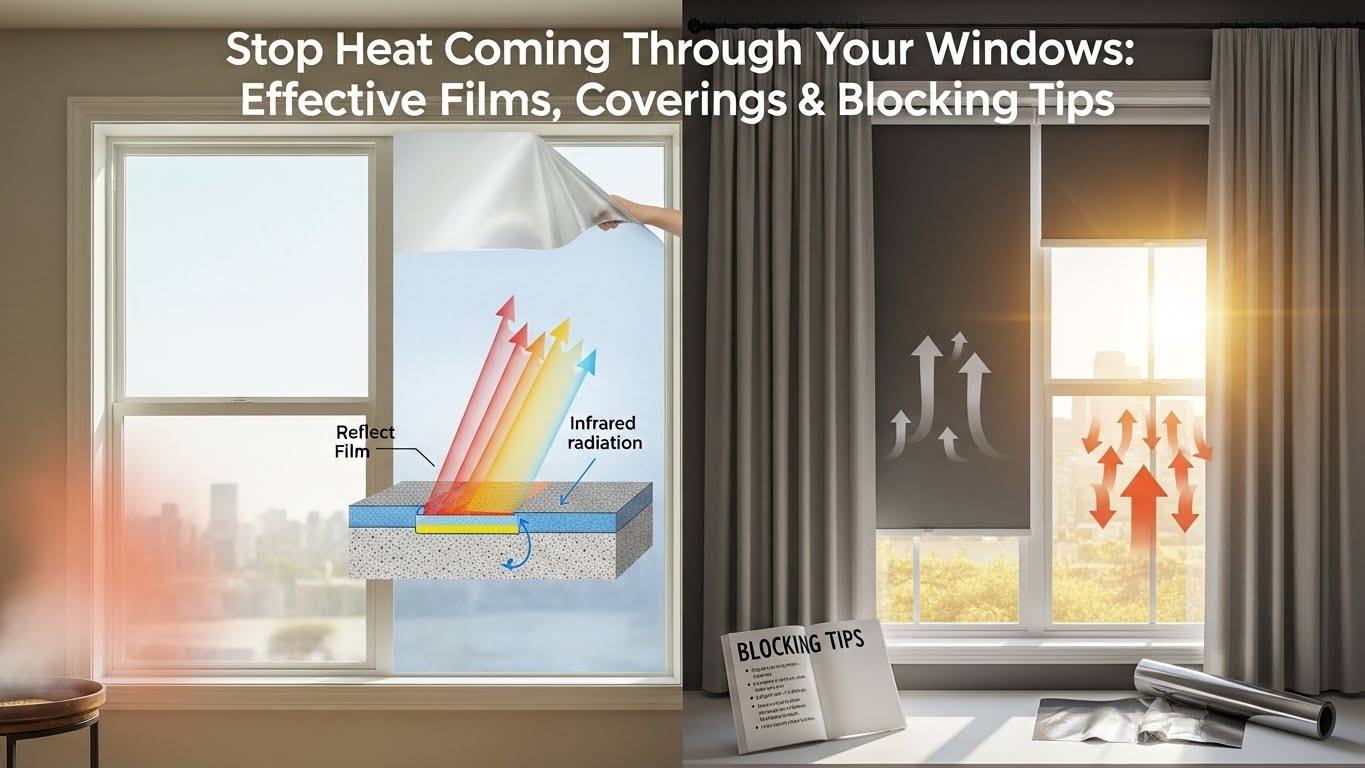
Excessive heat entering your home through windows can make your space uncomfortable and drive up energy costs. Fortunately, there are many effective strategies to block heat and keep your home cool. From simple DIY solutions to more advanced window treatments, this guide will help you understand how to stop heat coming through your windows and improve your home’s energy efficiency.
Understanding Heat Coming Through Your Windows
The Science of Heat Transfer
Heat transfer through windows primarily occurs through conduction, convection, and radiation. Conduction involves the transfer of heat through the glass itself, while convection involves the movement of air near the window surface. Radiation is the transfer of heat through electromagnetic waves, such as solar heat. Understanding these principles is crucial for effectively reducing heat transfer and choosing the right window insulation solutions to block summer heat.
Common Sources of Heat in Summer
During the summer, the primary source of heat coming through your windows is solar radiation. The sun’s rays can penetrate the glazing and warm the interior of your home, leading to a significant heat gain. Windows that face east or west are particularly susceptible to absorbing summer heat, especially during peak sunlight hours. Additionally, poor window insulation can exacerbate this problem, allowing even more heat to enter your home.
Impact of Poor Window Insulation
Poor window insulation can negatively impact your home and your wallet. Specifically, it:
- Leads to higher energy bills as your air conditioner works harder.
- Creates uncomfortable hot spots, making it difficult to maintain a consistent temperature.
Improving window insulation is a key step in reducing heat loss, increasing energy savings, and keeping your home cool.
Window Treatments to Block Heat
Types of Window Films
Various types of window film are available to help block heat. Several different approaches are used to achieve this, including:
- Reflecting solar heat with solar control window films to reduce solar heat gain.
- Minimizing heat transfer while still allowing natural light to enter, using Low-E films.
Reflective films keep heat out by bouncing it back, while ceramic films offer excellent heat reduction without significantly darkening the glass. Choosing the right window film can significantly reduce heat coming through your windows.
Benefits of Cellular Shades
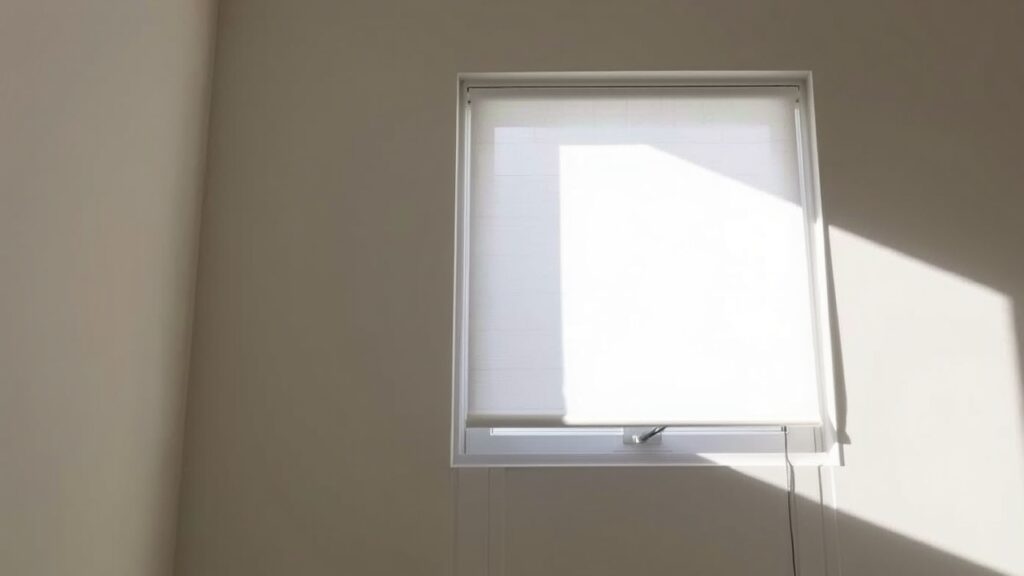
Cellular shades, also known as honeycomb shades, are excellent for insulation because of their unique design. The honeycomb structure creates pockets of air that act as barriers to heat transfer. These shades can effectively reduce heat loss in the winter and prevent heat from entering in the summer, helping you to save energy. They are also available in various levels of opacity, offering both heat reduction and light control.
Choosing the Right Blinds and Curtains
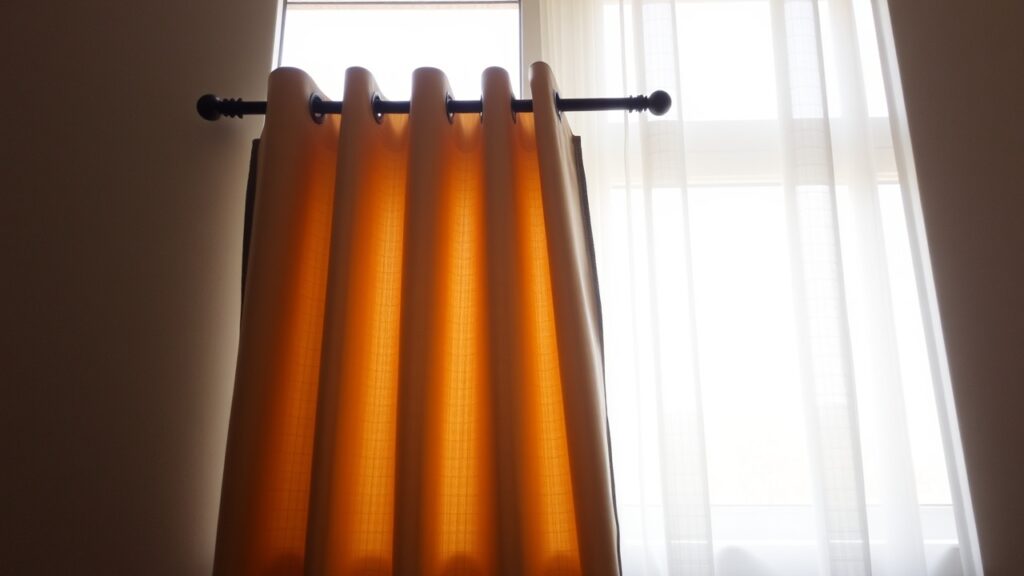
Selecting the appropriate blinds and curtains can significantly impact how much heat comes through your windows. Blackout curtains are particularly effective at blocking heat and light, making them ideal for bedrooms. Window blinds, especially those with reflective backing, can bounce heat away from your home. Consider layering window treatments – such as combining blinds with curtains – to maximize energy efficiency and reduce heat gain.
Insulating Your Windows for Better Energy Efficiency
DIY Insulation Techniques
There are several DIY insulation techniques to insulate your windows and reduce heat loss. Applying weather stripping around the window frames can seal gaps and prevent heat from entering. Using caulk to seal cracks can also improve window insulation. For a temporary solution, consider using bubble wrap on your windows, as it creates an insulating layer that helps to keep your home cool and reduce heat transfer.
Exploring Reflective Window Film
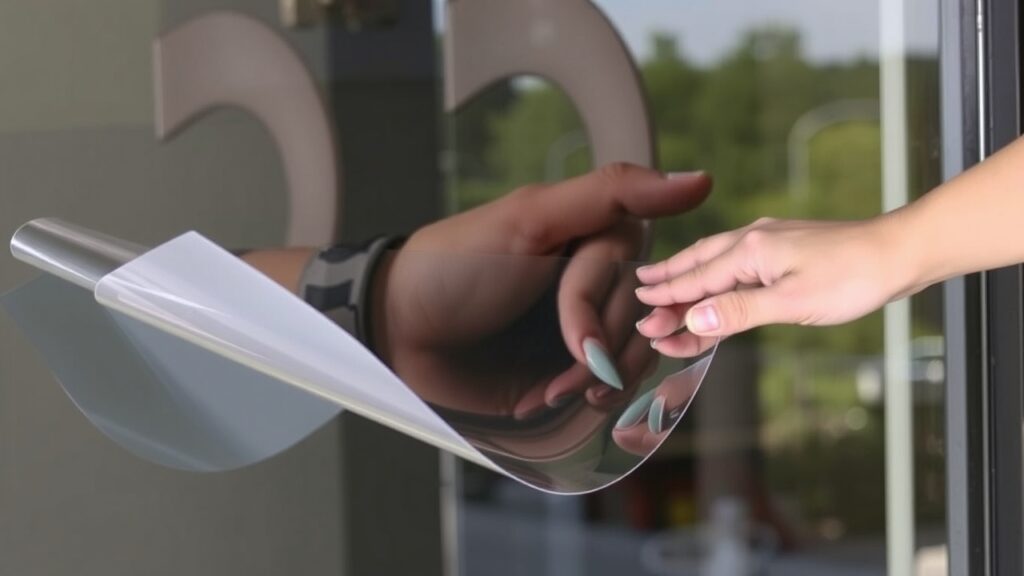
Reflective window film is designed to reduce heat gain by reflecting solar heat away from your home. This type of window film can be particularly effective on windows that receive direct sunlight. It not only helps to block heat but also reduce harmful UV rays, protecting your furniture and flooring from fading. It’s an effective solution for reducing solar heat gain in windows in summer.
Advanced Glazing Options
For a more permanent solution, consider upgrading to advanced glazing options. These options include features like:
- Double-pane or triple-pane windows, which have multiple layers of glass with gas-filled spaces between them for superior insulation.
- Low-E coatings applied to the glazing to further reduce heat transfer and solar heat gain.
Storm windows are also a good choice to insulate your windows and prevent heat.
Additional Tips to Keep Your Home Cool
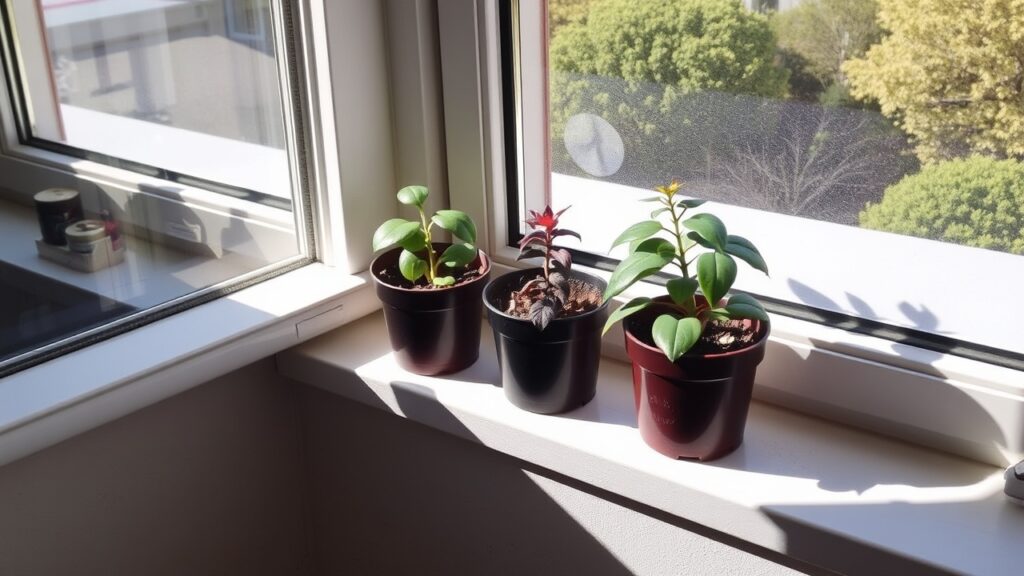
Utilizing Blackout Curtains Effectively
Blackout curtains are a simple yet powerful tool to block heat and stop heat from coming into your home. These curtains are designed to block summer sunlight completely, reducing heat gain and keeping heat out. By using blackout curtains during the hottest parts of the day, you can significantly reduce heat and create a cooler, more comfortable indoor environment and save energy. Consider using them in bedrooms and west-facing windows for maximum effectiveness.
Installing Exterior Shutters
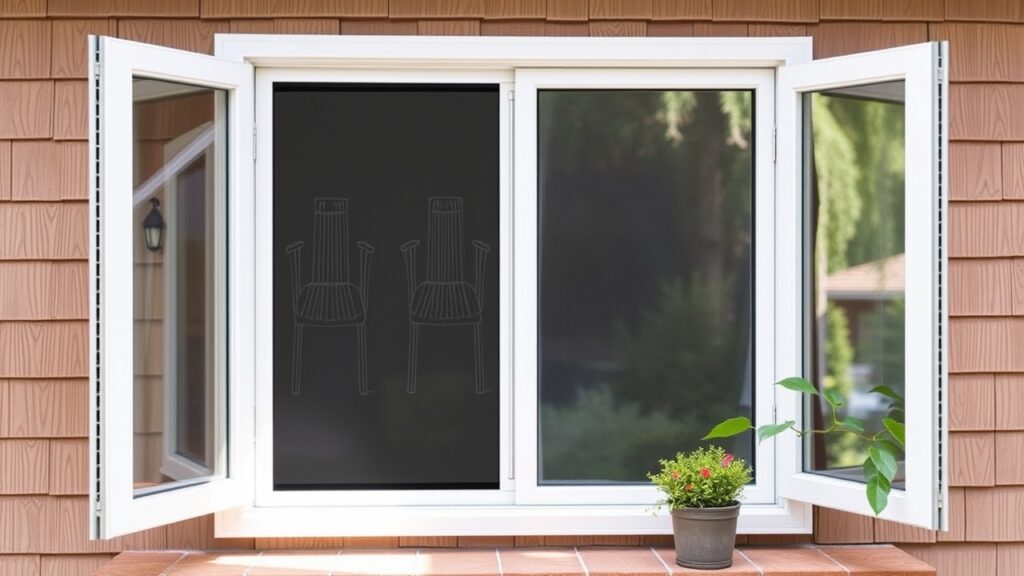
Installing exterior shutters is an effective way to block heat before it even reaches your windows. Shutters provide an additional layer of insulation and can be adjusted to control the amount of solar heat entering your home. During the hottest parts of the day, close the shutters completely to reduce heat gain. This can significantly reduce heat coming and lower your energy savings during windows in summer.
Managing Natural Light to Block Sun
Strategically managing natural light is crucial for reducing heat gain. Use window blinds and curtains to block heat during peak sunlight hours. Orient blinds to reflect sunlight heat away from your home. Consider using solar control window film on windows that receive direct sunlight to reduce solar heat gain. By controlling natural light, you can minimize heat coming through your windows and keep your home cool.
FAQs About Blocking Heat from Entering Your Home
What are the best window treatments to block heat?
The best window treatments include cellular shades, blackout curtains, and reflective window film, as these options offer superior insulation and reflection of solar heat, thus reducing heat transfer.
How does window film work?
Window film works by either reflecting solar heat away from the window or absorbing it. Solar control films reduce heat gain by bouncing back sunlight, while Low-E films minimize heat transfer without sacrificing natural light.
Can I insulate my windows myself?
Yes, you can insulate your windows yourself using DIY techniques such as applying weather stripping, caulking gaps, or using bubble wrap. These methods can improve window insulation and prevent heat from entering.