
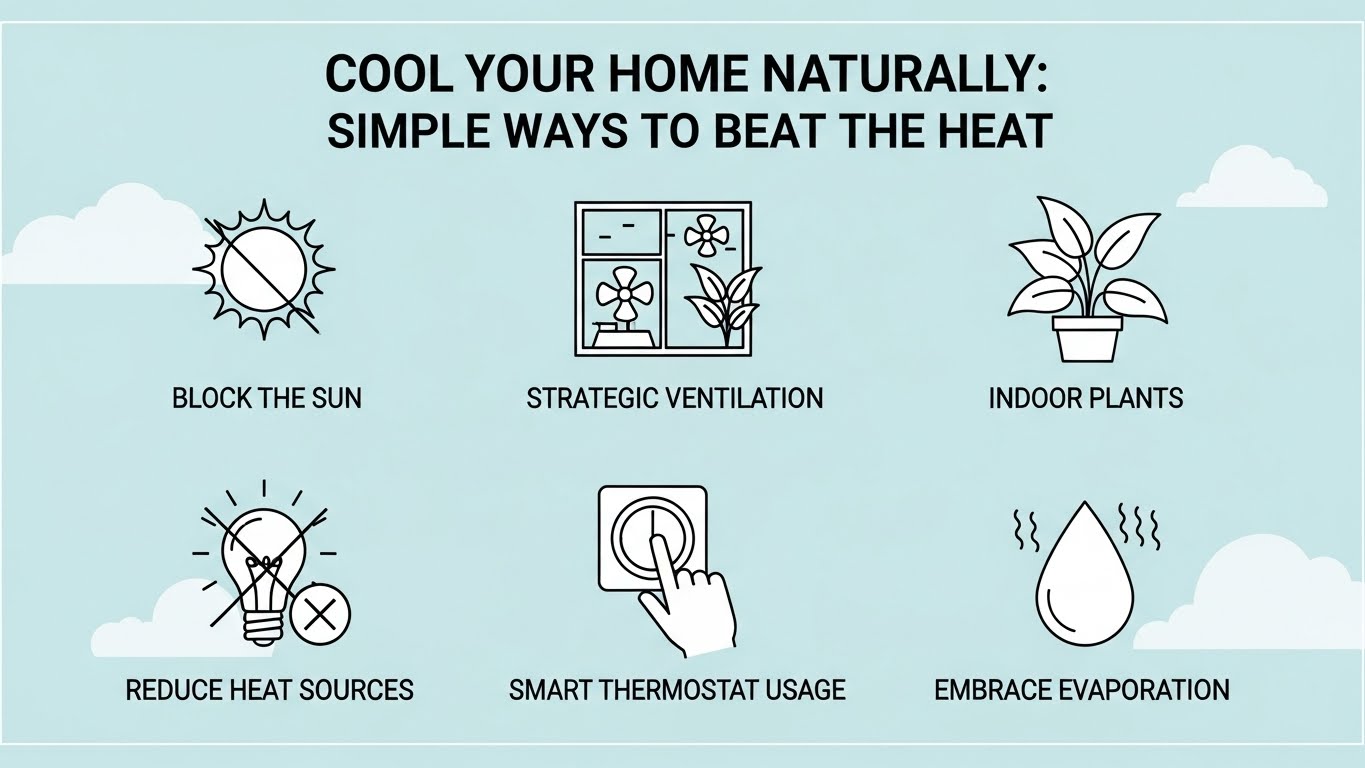
As summer approaches, finding effective ways to cool your home becomes a priority. High energy bills from running your air conditioner can be daunting. This guide explores various natural cooling methods to help keep your house cool without relying solely on air conditioning, ensuring you stay comfortable and save money.
Understanding the Need to Cool Your Home
Why Cooling Your Home is Important
Maintaining a cool home is crucial for comfort and health, especially during the hot summer months. Excessive heat indoors can lead to discomfort, heatstroke, and other health issues. Learning how to cool your home ensures a safer and more pleasant living environment. Avoiding prolonged exposure to high temperatures is vital for wellbeing.
Benefits of Natural Cooling Methods
Here’s how opting for natural cooling can benefit you:
- It reduces reliance on energy-intensive appliances like air conditioners, lowering your energy bill.
- Natural cooling also minimizes your carbon footprint, promoting a more sustainable lifestyle.
By using methods such as ventilation, you can enjoy fresh air and a healthier indoor environment.
Energy Efficiency and Cost Savings
Adopting energy-efficient strategies to cool your home translates directly into cost savings. Natural cooling leverages passive cooling techniques, like strategic window placement and insulation, to reduce the amount of heat entering your home. These approaches minimize the need for air conditioning, resulting in a lower energy bill and a smaller environmental impact.
Effective Ways to Cool Your Home Without Air Conditioning
Utilizing Insulation for Heat Reduction
Insulation plays a crucial role in keeping your home cool. Proper insulation prevents heat from entering your home in the summer and escaping in the winter. By adequately insulating your attic, walls, and floors, you effectively reduce heat transfer, helping to maintain a cooler indoor temperature without air conditioning.
Creating Airflow with Ceiling Fans
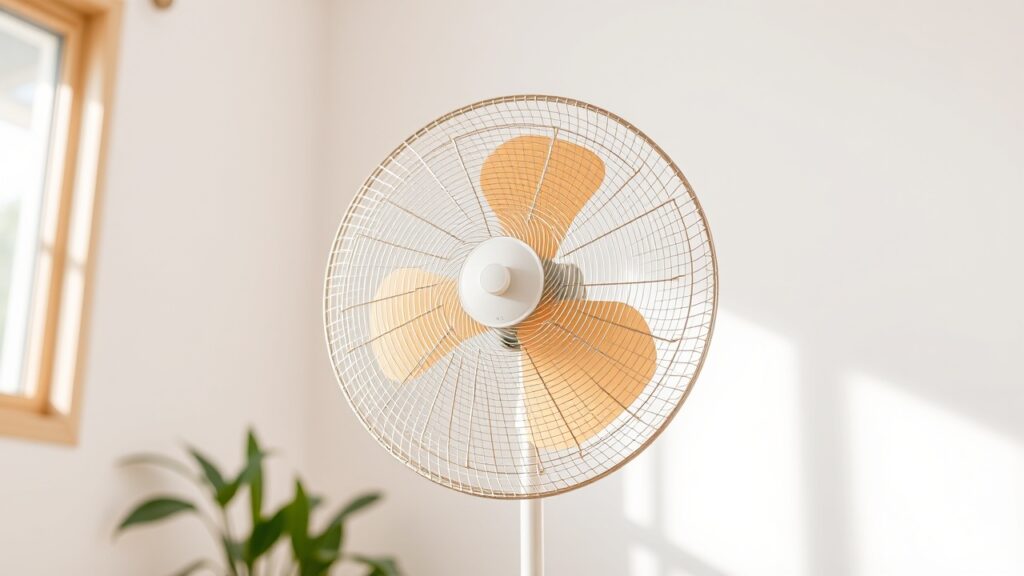
Ceiling fans are an excellent way to improve airflow and create a cooling effect. During summer, set your ceiling fan to rotate counterclockwise to push cool air down into the room. This creates a breeze that makes you feel cooler. Using ceiling fans in conjunction with open windows enhances ventilation and helps keep your home cool.
How to Use Curtains to Block Heat
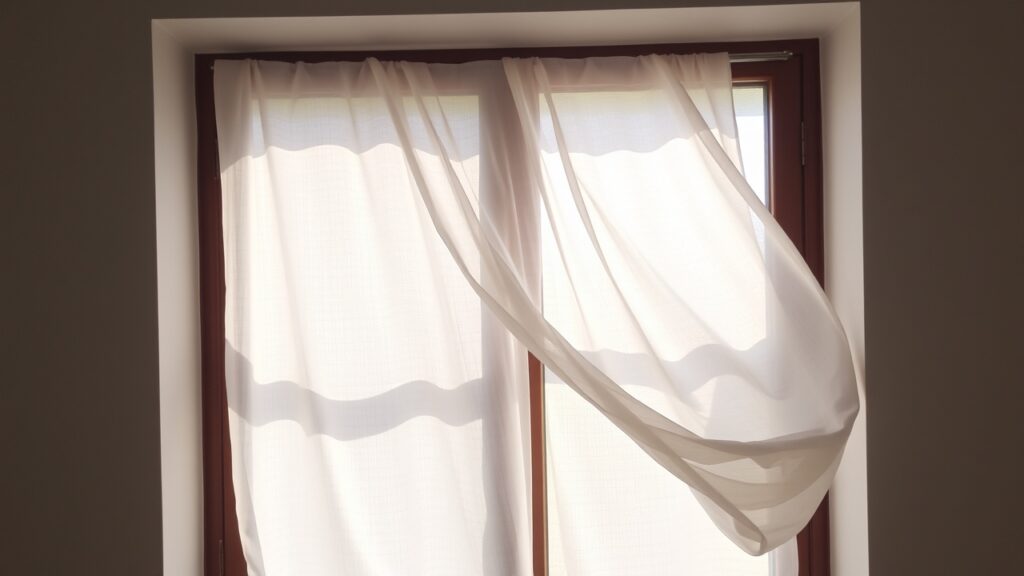
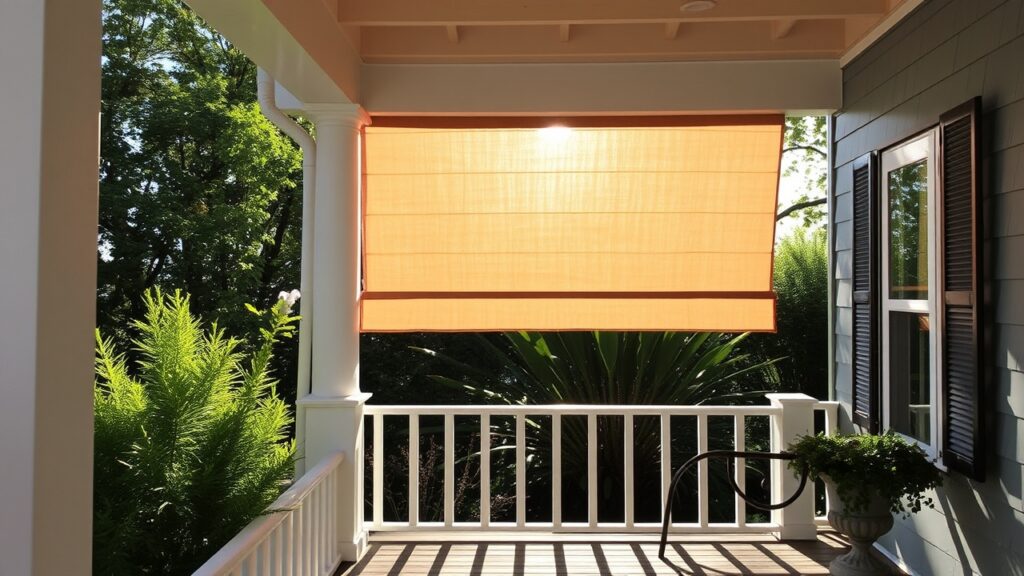
Curtains and blinds are simple yet effective tools to block direct sunlight and prevent heat from entering your home. During the hottest part of the day, close your curtains or blinds, especially on windows facing east or west. This simple action can significantly reduce the amount of heat indoors, helping you to stay cool without additional cooling devices.
Natural Ventilation Techniques
The Role of Open Windows in Cooling
One of the simplest ways to cool your home is by utilizing open windows. When the outside temperature is cooler than indoors, opening windows allows cooler air to circulate, naturally cooling your living space. This ventilation strategy is particularly effective during the early morning or late evening hours, offering a way to cool without air conditioning.
Strategic Ventilation for a Cooler Home
To maximize the benefits of ventilation, consider opening windows on opposite sides of your home. This creates a cool cross-breeze that efficiently removes warm air and introduces cooler air. Pairing this with ceiling fans can further enhance airflow, helping cool your home cooler and more comfortable. Understanding how to properly ventilate is among the best ways to cool your cool home.
Using Fans to Create a Cool Breeze
In addition to ceiling fans, portable fans can be strategically positioned to enhance airflow. Place a fan near an open window to draw cooler air indoors, or position it to circulate air within a room. Experiment with different placements to find the most effective way to cool your space, keeping your house cool without relying on an air conditioner.
Managing Heat from Appliances and Electronics
Reducing Heat from Everyday Appliances
Many common appliances generate heat that can raise the temperature indoors. Minimize their use during the hottest parts of the day to reduce heat. For example, try to avoid using your oven or dryer during the afternoon. By being mindful of appliance usage, you can effectively help keep your home cooler and manage the amount of heat produced.
Turning Off Electronics When Not in Use
Electronics, such as computers and televisions, also contribute to indoor heat gain. When not in use, turn off these devices to minimize heat production. Unplugging electronics can further reduce heat and conserve energy, contributing to lower energy bills. Being energy conscious is an effective way to cool your home and stay cool.
Best Practices for Energy-Efficient Appliances
When it’s time to replace older appliances, opt for energy-efficient models. Energy-efficient appliances not only consume less energy but also generate less heat. Look for appliances with high Energy Star ratings to maximize efficiency and minimize their impact on your cooling needs. Using energy-efficient appliances is one of the ways to keep your home cool and comfortable. Considering alternative cooling such as installing heat pumps or adding weatherstripping can further help the overall efficiency.
Enhancing Indoor Comfort with Weatherstripping
How Weatherstripping Helps Keep Your House Cool
Weatherstripping is a simple yet powerful way to keep your home cool and reduce heat during the hot summer months. By sealing gaps around doors and windows, weatherstripping prevents hot air from entering and cool air from escaping. This simple measure significantly enhances your home’s insulation and overall energy efficiency, reducing the need for air conditioning.
DIY Weatherstripping Techniques
Installing weatherstripping is a DIY-friendly project that can have a significant cooling effect. Start by identifying gaps around doors and windows. Then, apply adhesive-backed foam or felt weatherstripping to these areas. Ensure a tight seal for optimal performance. Regularly inspect and replace worn weatherstripping to maintain its effectiveness in keeping your house cool without air conditioning.
Choosing the Right Materials for Insulation
Selecting the right insulation materials is crucial for keeping your home cool. Consider options like fiberglass, cellulose, or spray foam, depending on your needs and budget. Proper insulation in attics and walls creates a barrier that prevents heat from entering your home, reducing the amount of heat and maintaining a cooler indoor environment. Pairing this with passive cooling will improve your cooling effect.
Conclusion: Embracing Natural Cooling Solutions

Summarizing Effective Cooling Methods
Here’s a summary of effective ways to cool your home naturally. These strategies often involve several techniques, including:
- Utilizing insulation
- Creating airflow with ceiling fans
- Blocking direct sunlight with curtains and blinds
Natural ventilation techniques, managing heat from appliances, and using weatherstripping are also essential. These methods reduce reliance on air conditioning and promote a more sustainable and cost-effective approach to keeping your home cool.
Encouraging Sustainable Practices
Adopting sustainable practices is crucial for long-term cooling efficiency. Encourage the use of energy-efficient appliances and promote the benefits of natural cooling methods within your community. By embracing these practices, you can significantly reduce your carbon footprint and contribute to a healthier environment, all while keeping your home cool.
Further Reading and Resources
For more information on natural cooling solutions, explore resources from the Department of Energy or reputable home improvement websites. These sources offer valuable insights into insulation techniques, ventilation strategies, and energy-efficient appliance options. Educating yourself further will empower you to make informed decisions and enhance your home’s cooling performance. Check out Energy.gov for more info.