
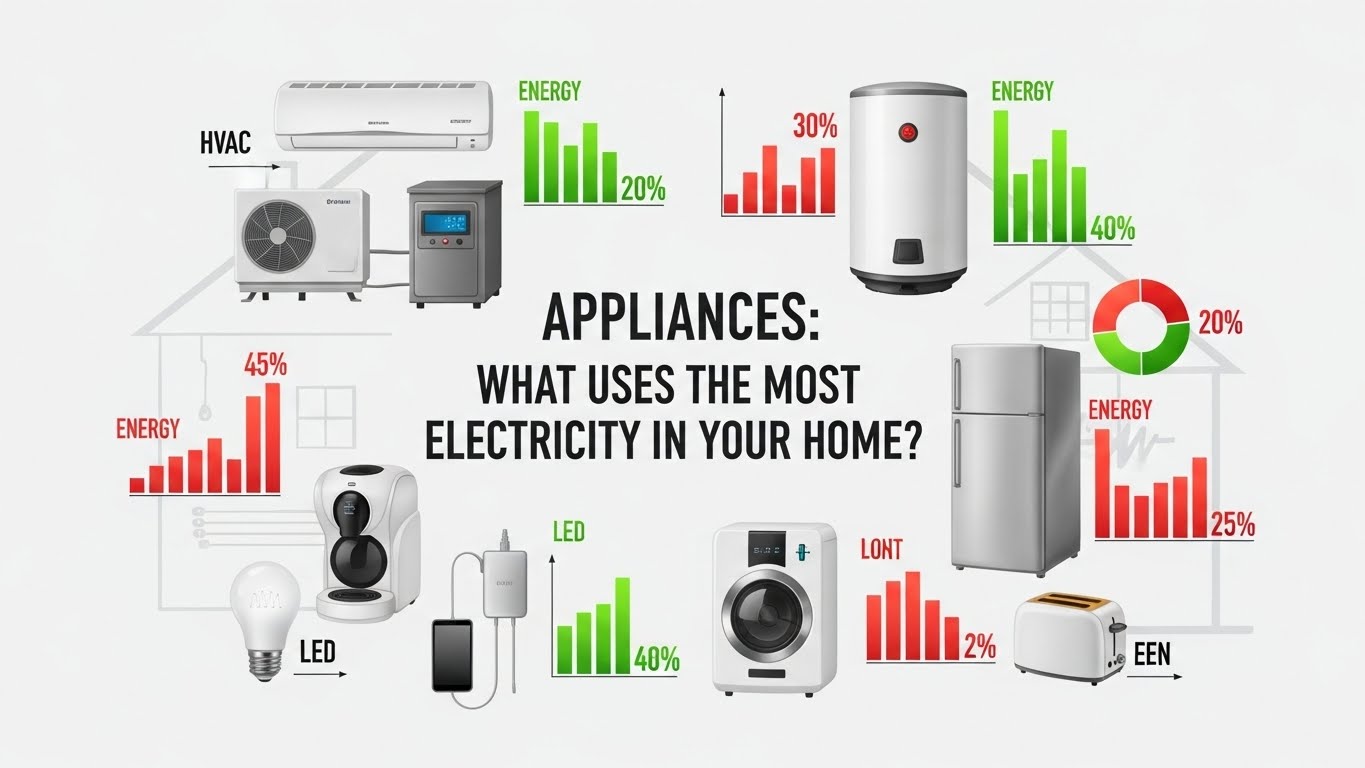
Ever wondered which of your household appliances are silently driving up your electricity bill? Understanding energy consumption in your home is crucial for managing energy costs and making informed decisions about appliance use. This article delves into the factors affecting energy usage, identifies the appliances that typically consume the most electricity, and provides actionable tips for improving energy efficiency and saving money.
Understanding Electricity Consumption
What is Electricity Usage?
Electricity usage refers to the amount of electricity consumed by electrical appliances and systems within a specific timeframe, typically measured in kilowatt-hours (kWh). Every time you plug in an appliance and turn it on, it starts to consume electricity. The amount of electricity an appliance uses depends on its wattage and how long it’s in operation. High power appliances like heaters and air conditioners naturally have higher electricity consumption than smaller devices. Understanding your electricity usage is the first step in controlling your energy costs.
Factors Affecting Energy Consumption
Several factors can impact energy consumption in your home. The type of appliance, its energy efficiency rating, and how frequently you use it all play significant roles. For example, an older, inefficient refrigerator will use a lot of electricity compared to an energy-efficient model. Heating and cooling systems, such as air conditioners and heat pumps, often account for a significant portion of your electricity bill, especially if the thermostat is set too high or too low. Standby power, also known as phantom load, from appliances that are plugged in but not in use can also contribute to unnecessary energy use in your home.
The Importance of Monitoring Electricity in Your Home
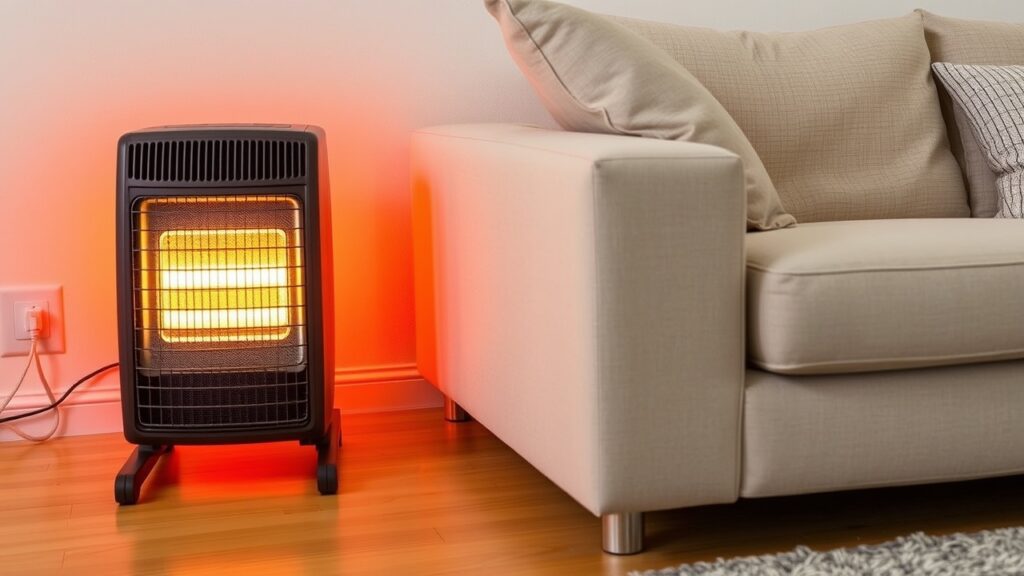
Monitoring the amount of electricity used in your home offers valuable insights into your energy consumption patterns. By tracking your electricity usage with an energy meter or power meter, you can identify which appliances are using the most electricity. This allows you to make informed decisions about replacing inefficient appliances with energy-efficient models, adjusting usage habits, and implementing strategies to save energy. Regularly checking your electricity bill and using energy monitoring tools can help you reduce your carbon footprint and manage your energy costs effectively. One effective method is to use power strips to completely shut off power to appliances when not in use, thus eliminating standby power consumption. More about energy conservation.
Major Household Appliances and Their Energy Use
Refrigerators: The Unsung Energy Consumers
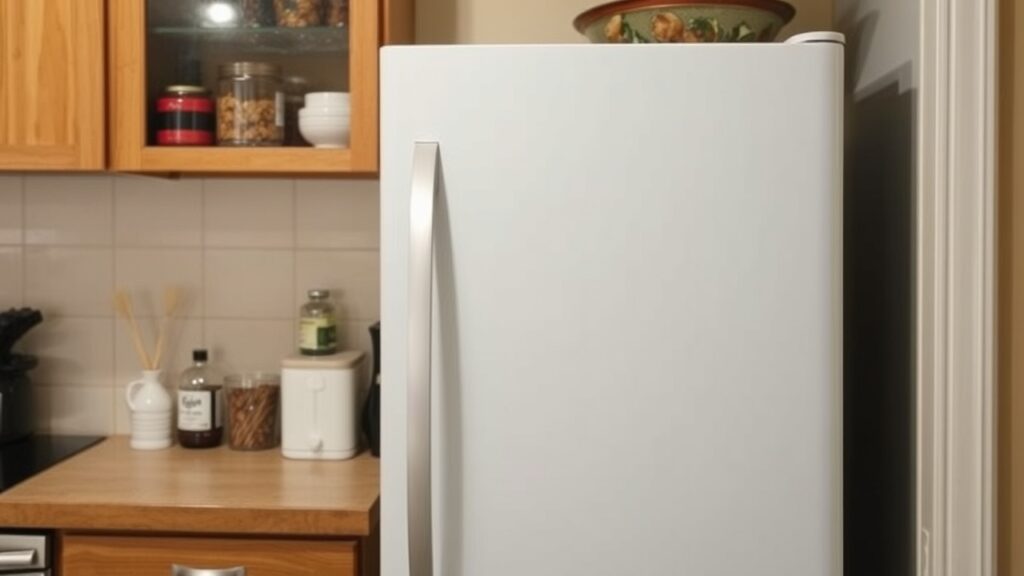
Refrigerators are one of the most ubiquitous household appliances, operating 24/7 to keep your food fresh. However, this constant operation translates to significant energy consumption. Older models, in particular, use a lot of electricity compared to energy-efficient refrigerators. The amount of electricity a refrigerator consumes depends on its age, size, and energy efficiency rating. Regularly checking the seals and ensuring proper ventilation can help maintain its efficiency. Upgrading to an energy-efficient model can significantly reduce your electricity bill. A refrigerator that is not energy-efficient can consume a lot of electricity, which is one of the most common hidden electricity costs in your home.
Heating and Cooling Systems: Thermostat and Heat Pump Efficiency
Heating and cooling systems, including air conditioners, heaters, and heat pumps, are major contributors to energy use in your home. HVAC systems often account for a large portion of your electricity bill, especially in regions with extreme temperatures. The efficiency of these systems is critical; an inefficient air conditioner or heater will use a lot of electricity to maintain a comfortable indoor climate. Programmable thermostats can help you optimize energy consumption by automatically adjusting the temperature when you’re away or asleep. Regular maintenance, such as cleaning or replacing filters, ensures these appliances are using energy efficiently and not needlessly driving up your electricity bill.
Water Heaters: Hot Water’s Hidden Costs
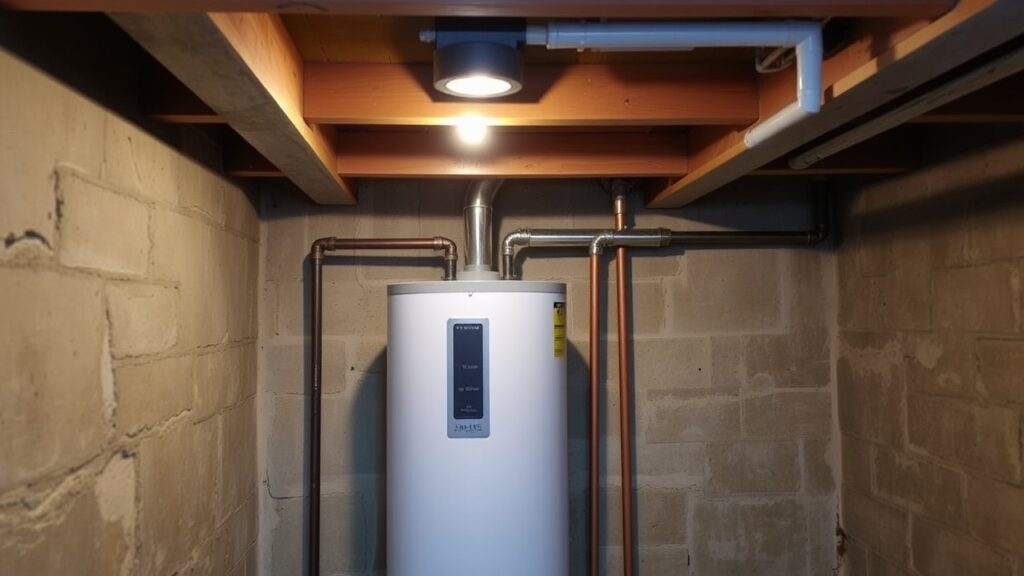
Water heaters are essential appliances for providing hot water for showers, washing machines, and dishwashers, but they also contribute significantly to energy consumption. Traditional water heaters continuously heat water, even when it’s not needed, leading to standby losses. Tankless water heaters, on the other hand, only heat water on demand, potentially saving a lot of electricity. The type of water heater and its insulation level affect how much electricity it consumes. Insulating your water heater and pipes can minimize heat loss, helping to reduce energy costs. Also, lowering the thermostat on your water heater can save energy without significantly impacting your comfort.
Reducing Electricity Costs with Efficient Appliances
Choosing Energy-Efficient Models
Selecting energy-efficient appliances is a crucial step in reducing electricity consumption and lowering your electricity bill. Look for appliances with high energy efficiency ratings, such as those certified by Energy Star. These models are designed to use less electricity while providing the same level of performance as standard appliances. Comparing energy efficiency labels when purchasing new appliances can help you make informed decisions. Investing in energy-efficient refrigerators, washing machines, and dishwashers can lead to significant savings over the appliance’s lifespan. When replacing an old appliance, opting for an energy-efficient model is always the best choice.
Smart Appliances and Their Impact on Energy Use
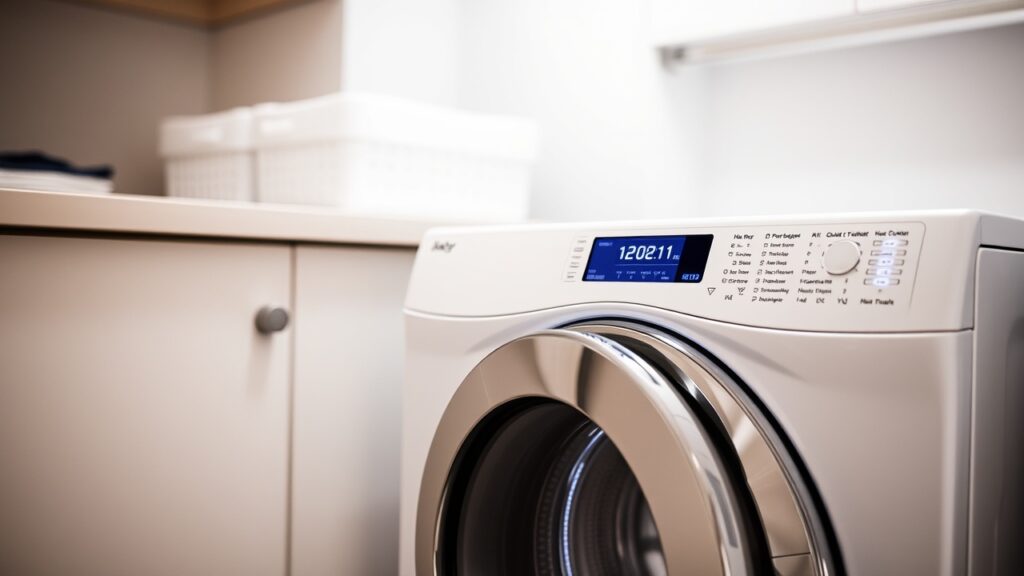
Smart appliances are transforming how we manage energy use in our homes. These appliances use less electricity. Equipped with advanced sensors and connectivity features, these devices can optimize their operation to minimize energy consumption. Smart thermostats, for example, can learn your heating and cooling preferences and adjust the temperature accordingly, reducing energy waste. Smart washing machines and dishwashers can automatically adjust water and energy usage based on the load size. Monitoring your energy usage through smart home systems allows you to identify areas where you can further save energy and reduce your carbon footprint. These can all be accessed through an energy meter.
Tips for Reducing Energy Consumption in Your Home
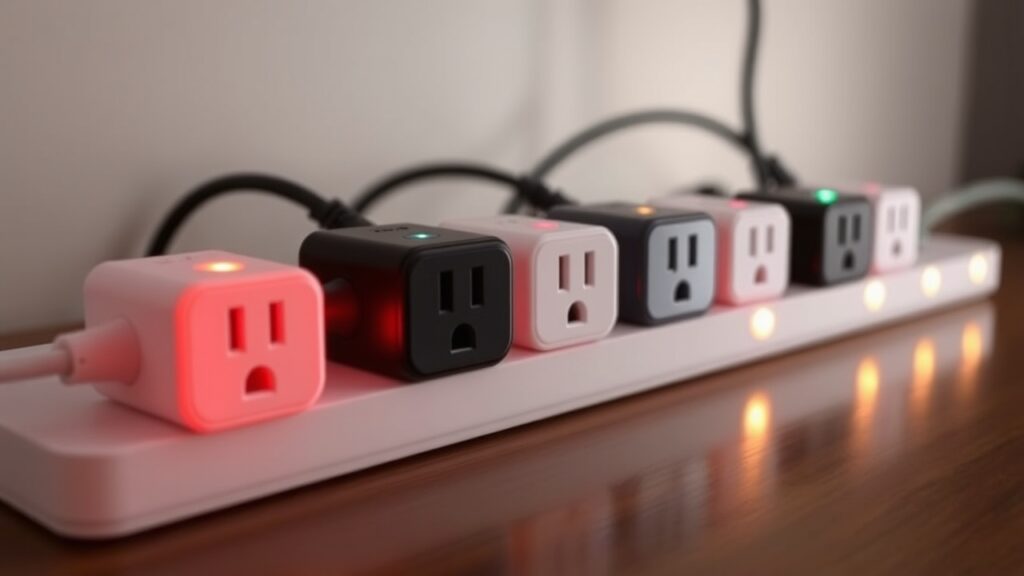
Reducing energy consumption in your home involves adopting simple yet effective habits. Unplugging appliances when they’re not in use eliminates standby power consumption, also known as phantom load. Using power strips to switch off multiple devices at once can make this process easier. Switching to LED lighting from incandescent bulbs significantly reduces energy use. Adjusting your thermostat settings, even by a few degrees, can have a noticeable impact on your electricity bill. Regularly maintaining your HVAC systems ensures they operate efficiently. By implementing these tips, you can save energy and reduce your environmental impact.
Conclusion: Managing Your Electricity Usage
The Future of Household Energy Consumption
The future of household energy consumption is heading towards greater efficiency and sustainability. Innovations in energy-efficient appliances, smart home technologies, and renewable energy sources are paving the way for a more sustainable future. As technology advances, home appliances will become even more efficient, using less electricity while providing enhanced performance. Smart grids and energy storage solutions will play an increasingly important role in managing electricity demand and integrating renewable energy into the grid. Embracing these advancements will help us reduce our environmental impact and create a more sustainable energy future.
Resources for Further Reading
To deepen your understanding of energy consumption and energy efficiency, several resources are available. Energy Star offers a wealth of information on energy-efficient appliances and practices. Government agencies like the Department of Energy provide resources on energy conservation and renewable energy. Utility companies often offer energy audits and incentives for upgrading to energy-efficient appliances. Consulting these resources can provide you with valuable insights and tools to manage your electricity usage effectively. You can also use a power meter to measure power of a particular appliance.
FAQs: Common Questions About Electricity in Your Home
What uses the most electricity in my home?
Heating and cooling systems, water heaters, refrigerators, and older appliances typically consume the most electricity.
How can I reduce my electricity bill?
Use energy-efficient appliances, unplug devices when not in use, switch to LED lighting, and adjust your thermostat.
What is standby power, and how can I eliminate it?
Standby power is the electricity consumed by appliances when they are turned off but still plugged in. Unplug devices or use power strips to eliminate it.
Are energy-efficient appliances worth the investment?
Yes, energy-efficient appliances use less electricity, saving you money on your electricity bill over time.
How often should I replace my appliances?
Replace appliances when they become inefficient or start to break down, opting for energy-efficient models.